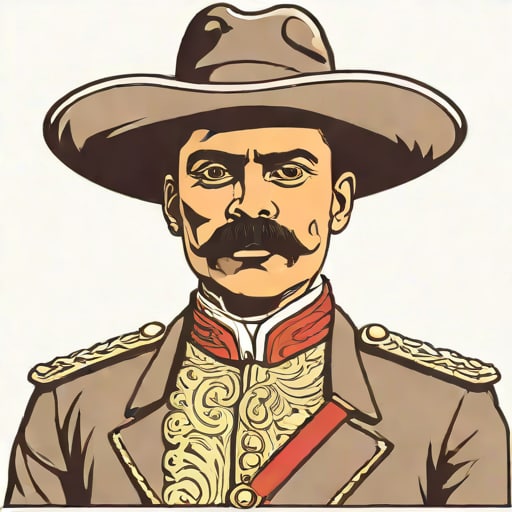
Emiliano Zapata remains one of the most iconic figures of the Mexican Revolution, remembered for his fierce advocacy for land reform and the rights of peasants. His death marked a turning point in the revolutionary struggle and left a profound impact on Mexico’s political and social landscape. Zapata was not only a military leader but also a symbol of justice and resistance for the rural population. Understanding how Emiliano Zapata died provides insight into the treacherous political climate of early 20th century Mexico, the internal conflicts within revolutionary factions, and the strategies used by opposing forces to eliminate influential leaders. His assassination was a carefully orchestrated act, demonstrating both the vulnerability of revolutionary leaders and the lengths to which their opponents would go to consolidate power.
Background of Emiliano Zapata
Emiliano Zapata was born on August 8, 1879, in Anenecuilco, Morelos, Mexico. He grew up in a rural community where land ownership disputes and exploitation by wealthy landowners were common. These experiences shaped his deep commitment to social justice and reform. Zapata became the leader of the Liberation Army of the South during the Mexican Revolution, advocating for the redistribution of land through the Plan de Ayala, which sought to return lands to peasant communities. His military strategies and political vision made him a formidable figure, inspiring loyalty among his followers and fear among his opponents.
Zapata’s Revolutionary Role
Zapata’s leadership focused primarily on land reform and the defense of peasant rights. He was critical of revolutionary leaders who did not prioritize agrarian reforms, including Venustiano Carranza. Under his command, the Liberation Army of the South conducted numerous military campaigns to reclaim lands and resist oppressive forces. Zapata’s fame grew as he consistently challenged both the federal government and rival revolutionary factions, which ultimately made him a target for assassination. His commitment to the ideals of the revolution made him both a revered figure and a threat to those who wished to maintain the status quo.
The Political Context Leading to His Death
By 1919, the Mexican Revolution had entered a complex phase, with multiple factions vying for control. Carranza, who was president at the time, saw Zapata’s influence as a direct challenge to his authority. While other revolutionary leaders sought compromise or alliances, Zapata remained steadfast in his refusal to negotiate on terms that ignored peasant demands. This uncompromising stance made him a liability to those in power, and eliminating him became a strategic objective for Carranza and his allies. Political machinations, combined with military strategies, set the stage for Zapata’s eventual assassination.
Internal Rivalries and Betrayal
Zapata’s death was not solely the result of battlefield conflict; it involved calculated betrayal. Carranza’s forces used deception to lure Zapata into a vulnerable position. A general named Jesús Guajardo was tasked with organizing an ambush under the guise of defecting to Zapata’s side. Guajardo pretended to offer support, promising to switch allegiance and provide reinforcements. Zapata, known for his cautious leadership, nonetheless decided to meet with Guajardo, demonstrating both his commitment to negotiation and the complex nature of revolutionary alliances. This encounter would prove fatal.
The Assassination of Emiliano Zapata
On April 10, 1919, Emiliano Zapata was lured to a hacienda called Chinameca in Morelos, under the pretense of a meeting with Guajardo. Upon arrival, Zapata was met with a well-prepared ambush. As he entered the hacienda, Carranza’s troops opened fire, and Zapata was killed instantly. The assassination was executed with precision, ensuring that Zapata’s leadership would be abruptly ended and his followers demoralized. The event was a calculated political maneuver, reflecting the high stakes and ruthlessness of the Mexican Revolution. Zapata’s death shocked the nation and marked the loss of a revolutionary hero whose vision extended beyond military conquest to social justice and agrarian reform.
Aftermath of the Assassination
Following Zapata’s death, his body was displayed to confirm his demise, and his followers were left to reorganize under new leadership. Although his physical presence was removed, his ideas and legacy continued to inspire revolutionary movements and agrarian reform efforts in Mexico. The assassination also demonstrated the use of political betrayal as a tactic in revolutionary conflicts, highlighting the dangers faced by leaders who challenged entrenched powers. Zapata became a martyr for the peasant cause, and his image and ideology have remained influential in Mexican culture and politics for decades.
Zapata’s Legacy
Despite his assassination, Emiliano Zapata’s legacy endured. He became a symbol of resistance, social justice, and the fight for land reform. His Plan de Ayala influenced subsequent agrarian policies, and his name continues to be associated with movements advocating for the rights of rural communities. In Mexican history, Zapata is remembered not only as a military leader but as an icon of moral courage and dedication to justice. Monuments, cultural references, and political discourse regularly invoke his ideals, demonstrating the lasting impact of his life and death on Mexican society.
Lessons from Zapata’s Death
- The assassination highlights the risks revolutionary leaders face from political rivals and internal betrayal.
- It underscores the complexities of maintaining ideological integrity while navigating alliances and negotiations.
- Zapata’s death illustrates how targeted political violence can be used to eliminate influential figures and disrupt social movements.
- His enduring legacy demonstrates that the impact of a leader’s ideals often outlives their physical presence.
Emiliano Zapata’s death on April 10, 1919, was a turning point in the Mexican Revolution and a moment that has been etched into history. Lured into an ambush by Carranza’s forces, Zapata was killed, but his ideals and vision for land reform and social justice continued to influence Mexico long after his assassination. Understanding how Emiliano Zapata died provides insight into the political intrigue, internal rivalries, and strategic violence that characterized the revolution. Today, Zapata is celebrated as a symbol of courage, resistance, and unwavering commitment to the rights of the oppressed, ensuring that his legacy remains a powerful force in Mexican history and culture.