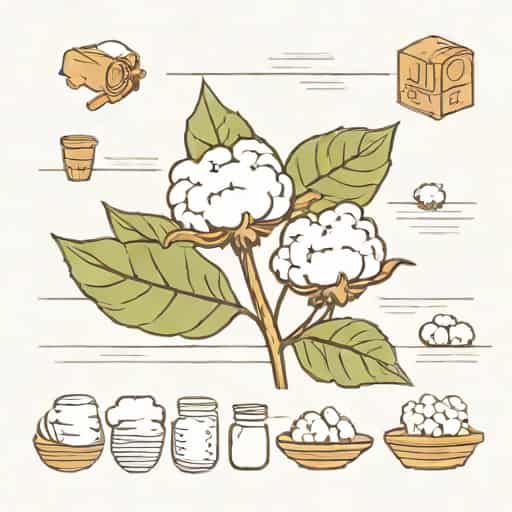
Cotton is one of the most widely used natural fibers in the world, and its journey from raw plant material to a soft, usable fiber begins with a process called ginning. Ginning is an essential step in cotton production that separates cotton fibers from the seeds and other impurities. Understanding this process is important not only for those in the textile industry but also for anyone interested in how the clothes we wear are made. The process has evolved significantly over time, from manual methods to highly efficient modern machinery, making cotton production faster, cleaner, and more economical. In this topic, we will explore the detailed process of ginning cotton, the machinery involved, and the importance of each step in producing high-quality cotton fibers suitable for textile manufacturing.
What is Cotton Ginning?
Cotton ginning is the mechanical process of removing cotton fibers from the seeds. The main goal of ginning is to separate the lint, which is the soft, fluffy fiber, from the hard seeds while preserving the quality of the fiber. The seeds themselves are not wasted; they are often used for producing cottonseed oil or animal feed. The efficiency of ginning directly affects the overall quality of cotton and its market value, making it a crucial part of cotton processing.
History of Cotton Ginning
The concept of ginning has been around for centuries. Early methods involved manually separating the fibers from the seeds, which was labor-intensive and time-consuming. The invention of the mechanical cotton gin by Eli Whitney in 1793 revolutionized the cotton industry by allowing faster and more efficient processing. Modern gins use advanced machinery to process large volumes of cotton quickly while minimizing fiber damage. Today, ginning is not only a key agricultural practice but also an essential industrial process for the textile sector.
The Cotton Ginning Process
1. Harvesting Cotton
The first step in the ginning process begins in the field. Cotton plants are harvested when the fibers are fully mature and fluffy. Harvesting can be done manually or using mechanical cotton pickers. The harvested cotton contains a mix of fibers, seeds, leaves, stems, and other impurities. Proper harvesting ensures that the fibers remain long and strong, which is important for producing high-quality cotton yarns and fabrics.
2. Cleaning the Cotton
Once harvested, the raw cotton undergoes a preliminary cleaning process. This step removes large debris such as leaves, stems, and dirt. In modern gins, this is done using air blowers, rotating brushes, and screens that separate foreign materials from the cotton fibers. Cleaning is crucial because it ensures that the ginning machinery operates efficiently and prevents contamination of the cotton lint.
3. The Ginning Machine
The cleaned cotton is then fed into the cotton gin. There are different types of gins, such as roller gins and saw gins, each suitable for different types of cotton
- Roller GinUsed primarily for long-staple cotton. It works by passing the cotton between a rotating roller and a fixed knife, pulling the fibers away from the seeds without damaging them.
- Saw GinCommonly used for short-staple cotton. It uses circular saws to pull the fibers through narrow slots, separating them from the seeds efficiently.
The choice of gin depends on the type of cotton and the desired fiber quality.
4. Fiber and Seed Separation
Inside the gin, the main task is to separate the cotton fibers from the seeds. The mechanical action of the gin ensures that fibers are gently pulled away while the seeds are left intact. The separated fibers, also called lint, are collected and compressed into bales for storage and transport. Meanwhile, the seeds are cleaned and can be processed further for oil extraction or other uses.
5. Lint Cleaning and Grading
After ginning, the cotton lint still contains small impurities such as dust and short fibers. Modern ginning facilities use additional cleaning machines to remove these remnants. The cleaned cotton is then graded based on fiber length, strength, and color. High-quality cotton is softer, longer, and more uniform, which makes it more suitable for spinning into yarn. Proper grading is essential for meeting textile industry standards.
6. Baling and Storage
Once cleaned and graded, the cotton lint is compressed into large bales using hydraulic presses. Each bale typically weighs around 500 pounds and is wrapped for transport. Proper baling ensures that the fibers maintain their quality during storage and shipping. The cotton is then ready to be sent to spinning mills, where it will be further processed into yarn and eventually woven into fabrics.
Importance of Ginning in Cotton Production
Ginning plays a crucial role in the cotton supply chain. Without proper ginning, fibers could be damaged, contaminated, or mixed with seeds, reducing their value and usability. Efficient ginning helps produce high-quality cotton that can be used in clothing, home textiles, and industrial applications. Moreover, by separating seeds efficiently, ginning supports the production of cottonseed oil and other by-products, contributing to agricultural sustainability and economic growth.
Environmental Considerations
Modern ginning practices also focus on reducing environmental impact. Advances in machinery minimize waste and energy use, while proper disposal or utilization of cotton plant residues helps maintain ecological balance. Some gins use air filtration systems to reduce dust and pollution, ensuring safer working conditions for operators. Sustainable ginning practices are increasingly important as the demand for cotton continues to rise worldwide.
The process of ginning cotton is a critical step in turning raw cotton into a valuable fiber for the textile industry. From harvesting to cleaning, separating fibers from seeds, and finally baling, every step ensures that the cotton maintains its quality and usability. Modern machinery has made ginning faster, cleaner, and more efficient, but the basic principles remain the same. By understanding how cotton ginning works, we gain insight into the journey of this natural fiber and the careful processes behind the everyday textiles we often take for granted.