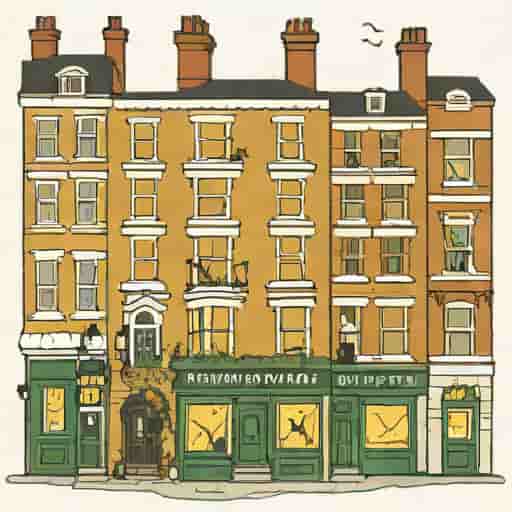
Charles Dickens’ depiction of Christmas in Rochester offers a vivid glimpse into 19th-century English society, highlighting the customs, traditions, and social dynamics of the time. Rochester, a historic town in Kent, England, serves as an important setting in Dickens’ works and real-life experiences, reflecting both the charm and struggles of Victorian England. Through his stories and personal observations, Dickens captures the spirit of Christmas with warmth, generosity, and social critique, portraying a blend of festive cheer and moral reflection. His narratives often emphasize family, community, and charitable acts, making the portrayal of Christmas in Rochester a compelling study of culture, history, and human behavior during the holiday season. Exploring Dickens’ Rochester Christmas provides insight into literary history, social commentary, and the enduring legacy of Dickensian holiday traditions.
Rochester A Dickensian Setting
Rochester, with its medieval architecture, narrow streets, and historic landmarks, provided Dickens with inspiration for many of his stories. The town’s character, traditions, and seasonal celebrations played a significant role in shaping his depictions of English life. Rochester’s connection to Dickens extends beyond mere setting; he spent considerable time in the area and was closely associated with its social and cultural life, including the festivities surrounding Christmas.
Historical and Cultural Context
During the 19th century, Christmas in Rochester was a combination of religious observance, community gatherings, and seasonal celebration. Dickens observed these traditions and often incorporated them into his stories, emphasizing the importance of family, kindness, and social responsibility. The town’s markets, fairs, and public events during the holiday season provided a backdrop for both joyous occasions and social commentary, reflecting the disparities between wealth and poverty.
Depiction of Christmas in Dickens’ Works
Dickens’ portrayal of Christmas in Rochester is not limited to a single narrative but appears across multiple works, most famously in A Christmas Carol. While the novel is set in London, the themes and descriptions of festive life are influenced by Dickens’ observations in towns like Rochester. The sense of community, seasonal cheer, and moral lessons about generosity and compassion are consistent elements that echo the town’s real-life celebrations.
Family and Community Celebrations
One of the central aspects of Dickens’ Rochester Christmas is the emphasis on family and communal gatherings. Dickens highlights the joy of shared meals, carol singing, and festive decorations, illustrating how the holiday brings people together. In Rochester, families would gather in warm, decorated homes, enjoying seasonal foods and participating in communal activities, reflecting the customs that Dickens cherished and celebrated in his writing.
Social Commentary
Dickens often used the festive season as a lens to examine social issues such as poverty, inequality, and moral responsibility. Rochester, with its mix of wealthy residents and struggling laborers, provided a microcosm of Victorian society. Through his depiction of Christmas, Dickens emphasizes the moral imperative to care for the less fortunate, highlighting acts of charity, kindness, and social cohesion that were integral to his vision of a meaningful holiday season.
Rochester Traditions and Festivities
The traditions and festivities in Rochester during Dickens’ time contributed to the vivid imagery and atmosphere in his writing. From public markets to local fairs and church services, the town’s Christmas activities reflected both social structure and seasonal joy. Dickens’ attention to detail in describing these customs helps readers understand the historical and cultural significance of the holiday.
Food and Celebration
Traditional foods, including roast meats, puddings, and seasonal treats, played a central role in Dickens’ depiction of Christmas. In Rochester, families would prepare special meals, sharing with neighbors and inviting community participation. Dickens often highlights these meals as moments of connection and generosity, emphasizing the human warmth at the heart of the holiday.
Music and Caroling
Music and caroling were important components of Rochester’s Christmas festivities. Dickens frequently describes singing and musical gatherings in his works, showcasing their ability to foster community spirit and celebration. Carols not only provided entertainment but also reinforced moral and religious themes, creating a festive yet reflective atmosphere.
Influence on Modern Christmas Traditions
The depiction of Christmas in Rochester by Dickens has had a lasting influence on modern celebrations. His emphasis on family, charity, and community has shaped contemporary understandings of the holiday, inspiring traditions such as gift-giving, communal meals, and charitable acts. Dickens’ works serve as both literary and cultural reference points for the enduring spirit of Christmas.
Legacy in Literature and Culture
Dickens’ Rochester Christmas has influenced literature, theater, and popular media. Adaptations of his works, including plays, films, and television series, often incorporate the themes, imagery, and social lessons he observed in Rochester. This legacy reinforces the town’s historical importance and its connection to the broader narrative of Victorian Christmas traditions.
Tourism and Commemoration
Today, Rochester celebrates its association with Dickens through festivals, guided tours, and seasonal events that recreate the atmosphere of his era. Visitors can experience traditional markets, period decorations, and reenactments that reflect the town’s Dickensian heritage. These celebrations help preserve the cultural memory of Christmas in Rochester and its literary significance.
Characterization and Human Experience
Dickens’ portrayal of Rochester Christmas also focuses on human experience, exploring themes of joy, struggle, and moral development. Characters in his stories often face challenges that are resolved through generosity, compassion, and communal support. This human-centered approach emphasizes the emotional and ethical dimensions of the holiday, offering readers insight into Victorian values and human nature.
Compassion and Charity
One of the recurring messages in Dickens’ depiction of Rochester Christmas is the importance of compassion. Characters are often inspired to help those in need, demonstrating that the true spirit of Christmas involves care and concern for others. This moral framework reinforces the social and cultural lessons embedded in festive traditions.
Joy and Celebration
While Dickens addresses social issues, he also celebrates the joy of the season. Through lively gatherings, festive decorations, and personal connections, Rochester Christmas is depicted as a time of happiness and communal harmony. This balance of joy and moral reflection gives depth to Dickens’ holiday narratives and makes them enduringly relevant.
The depiction of Christmas in Rochester by Charles Dickens offers a rich and multifaceted perspective on the holiday, blending historical accuracy, social commentary, and human experience. By focusing on family, community, charity, and festive traditions, Dickens creates a vivid portrayal of 19th-century English life that resonates with modern audiences. Rochester’s influence is evident in the detailed descriptions, cultural context, and enduring themes of generosity, joy, and moral responsibility. Through his works, Dickens immortalizes the spirit of Rochester Christmas, highlighting its relevance in both literature and cultural history. Today, the town continues to celebrate this heritage, preserving the legacy of Dickensian Christmas and inspiring contemporary appreciation for traditions that emphasize compassion, community, and festive cheer.