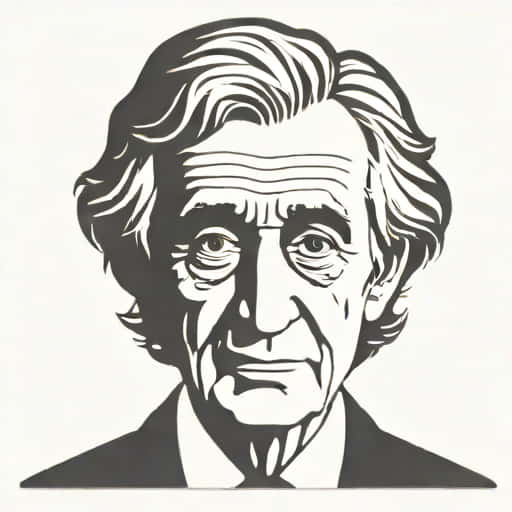
Dawn by Elie Wiesel is a profound and thought-provoking novel that explores the moral dilemmas faced by individuals during times of conflict and war. The story delves into themes of justice, vengeance, survival, and the consequences of violence. It is set in the aftermath of World War II and focuses on the experiences of a young Jewish man named Elisha, who becomes involved in a resistance movement against British colonial rule in Palestine. The novel challenges readers to confront difficult ethical questions and reflects Wiesel’s broader concerns with human suffering, the moral cost of revenge, and the fragility of life during periods of oppression and political unrest. Understanding Dawn requires not only an appreciation of the plot but also an awareness of its historical and philosophical contexts.
Overview of the Plot
Dawn takes place during the late 1940s, in the tense period before the establishment of the State of Israel. The protagonist, Elisha, is a Holocaust survivor who has immigrated to Palestine. Haunted by his past and seeking a sense of purpose, he joins a Jewish underground group fighting against British authorities. The narrative follows Elisha as he prepares to carry out a morally complex mission the execution of a British officer in retaliation for the death of a fellow resistance fighter. The story unfolds over a single night, capturing the psychological tension and internal conflict that Elisha experiences as he grapples with questions of duty, morality, and the value of human life.
Main Characters
The novel features a small but impactful cast of characters, each representing different perspectives on morality and resistance
- ElishaThe protagonist, a young Holocaust survivor struggling with the trauma of his past and the ethical challenges of participating in acts of violence.
- GadA member of the underground movement who mentors Elisha and helps him prepare for his mission.
- DovAnother resistance fighter, representing the militant side of the movement and the pursuit of revenge.
- The British OfficerThe target of the execution, representing the oppressive forces that the underground group is fighting against.
- Other Resistance MembersVarious members who embody the moral complexity and tensions within the movement, highlighting the human cost of political struggle.
Themes in Dawn
Elie Wiesel uses Dawn to explore a variety of themes that are both historically grounded and universally relevant. Understanding these themes helps readers grasp the deeper meaning of the novel
Morality and Ethical Dilemmas
The central focus of Dawn is Elisha’s moral struggle as he confronts the reality of taking a human life. Wiesel presents the act of execution as a morally ambiguous task, forcing both Elisha and the reader to question the nature of justice and the price of revenge. The novel examines whether violent acts can ever be justified, even in the context of resistance against oppression, and the psychological burden that accompanies such decisions.
Survival and Trauma
As a Holocaust survivor, Elisha’s experiences of past trauma deeply influence his decisions and emotional state. The novel highlights how past suffering shapes identity, moral reasoning, and the capacity for empathy. Survival is not only a physical struggle but also an emotional and ethical one, illustrating the long-lasting effects of historical atrocities on individuals and communities.
Revenge and Justice
Another prominent theme is the tension between revenge and justice. The underground group seeks to avenge the death of a comrade, but the act of retaliation raises questions about the morality of mirroring violence with violence. Wiesel explores how the pursuit of vengeance can dehumanize individuals and complicate the distinction between right and wrong, leaving a lasting impact on both perpetrators and victims.
Identity and Responsibility
Elisha’s journey in Dawn also involves questions of identity and personal responsibility. He must reconcile his past as a survivor of the Holocaust with his current role in the resistance movement. The novel emphasizes the weight of individual choice, illustrating how moral decisions define character and influence the course of history. Readers are encouraged to consider the responsibilities that come with power and the consequences of ethical actions.
Setting and Historical Context
The setting of Dawn is crucial to understanding its narrative and themes. The story takes place in British-controlled Palestine, during a period of political tension and violence. This historical backdrop provides a realistic framework for the ethical dilemmas faced by the characters. The post-Holocaust experiences of Jewish survivors, combined with the struggle for national self-determination, create a complex environment in which choices are fraught with moral and emotional consequences. Wiesel’s own experiences as a Holocaust survivor inform the vivid depiction of fear, guilt, and moral uncertainty that permeate the novel.
Symbolism and Literary Devices
Elie Wiesel uses symbolism and literary devices to deepen the reader’s understanding of Dawn. Night and darkness often symbolize uncertainty, moral ambiguity, and the inner turmoil of the characters. Dawn, in contrast, represents a moment of clarity, decision, and consequence, reflecting the pivotal moral choice Elisha must make. Wiesel also employs introspective narration, allowing readers to experience the protagonist’s internal conflict and ethical deliberations firsthand. The sparse, deliberate prose mirrors the tension and psychological pressure faced by the characters, enhancing the emotional impact of the story.
Critical Reception and Impact
Dawn has been widely recognized as an important work in Elie Wiesel’s literary career. Critics and scholars praise its exploration of moral complexity, psychological depth, and historical realism. The novel is often studied in academic settings for its ethical and philosophical questions, as well as its portrayal of post-Holocaust trauma. Dawn contributes to broader conversations about human rights, the consequences of violence, and the enduring moral lessons of history. Its impact extends beyond literature, providing insights into the ethical challenges faced by individuals in conflict situations and encouraging readers to reflect on their own values and choices.
Lessons and Reflections
The story of Dawn encourages readers to contemplate difficult ethical questions and consider the consequences of their actions. By presenting Elisha’s moral struggle, Wiesel highlights the complexities of human nature, the psychological effects of trauma, and the challenge of distinguishing between right and wrong in extreme circumstances. The novel serves as a reminder of the moral responsibility individuals bear, even in the face of violence and oppression, and the enduring need for empathy, reflection, and justice in human society.
Dawn by Elie Wiesel is a powerful exploration of morality, revenge, and the human experience in the context of historical and personal trauma. Through the story of Elisha and the moral dilemmas he faces, Wiesel challenges readers to consider profound ethical questions and the consequences of violent actions. The novel’s historical setting, symbolic imagery, and psychological depth make it a compelling and thought-provoking work. Understanding Dawn requires attention to its themes, characters, and context, offering valuable lessons on responsibility, justice, and the enduring impact of human suffering. By engaging with this text, readers gain insight into the moral complexities of life and the importance of ethical reflection in times of conflict.