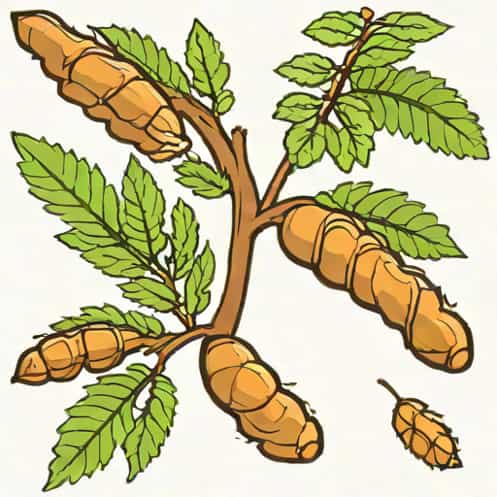
Growing tamarind from seed is a rewarding gardening project that allows you to cultivate one of the most versatile and unique tropical trees. Tamarind, known for its tangy fruit and medicinal properties, can be grown at home with patience and proper care. Starting tamarind from seed gives gardeners the satisfaction of nurturing the plant from its earliest stage and watching it grow into a mature tree capable of producing fruit for many years. Understanding the germination process, soil requirements, watering practices, and long-term care is essential for successful cultivation. With careful attention, growing tamarind from seed can become a fulfilling hobby that yields both ornamental and edible benefits.
Preparing Tamarind Seeds
The first step in growing tamarind from seed is selecting healthy seeds. Tamarind seeds should be plump, firm, and free from cracks or discoloration. Fresh seeds from ripe tamarind pods are ideal, as they have a higher germination rate. Before planting, it is important to prepare the seeds to encourage successful germination.
Seed Soaking
Soaking tamarind seeds in warm water for 24 hours helps soften the hard outer shell, making it easier for the seed to sprout. Some gardeners also lightly nick the seed coat with a knife or sandpaper to enhance water absorption. This step improves the likelihood of successful germination by allowing moisture to penetrate the seed more effectively. Proper soaking is essential because tamarind seeds have a naturally hard coat that can delay or prevent sprouting if left untreated.
Planting Tamarind Seeds
After preparing the seeds, the next step is planting them in suitable soil and containers. Tamarind trees prefer well-draining soil that is rich in organic matter. Using a potting mix with sand, compost, and garden soil ensures proper aeration and nutrient availability for young seedlings.
Choosing Containers
Small pots or seed trays are suitable for starting tamarind seeds. Containers should have drainage holes to prevent waterlogging, which can cause seed rot. Planting seeds individually in small pots allows for easier care and transplanting once seedlings grow strong enough. Labeling containers with planting dates helps track germination progress and ensures proper monitoring of each seedling.
Planting Depth
Tamarind seeds should be planted about one centimeter deep in the soil. Cover the seeds lightly with soil and gently press down to ensure good contact between the seed and soil. Overly deep planting can hinder germination, while shallow planting may expose seeds to drying out. Maintaining the correct planting depth is crucial for the initial growth of tamarind seedlings.
Germination and Early Care
Tamarind seeds typically germinate within one to three weeks, depending on temperature and moisture conditions. Providing a warm, stable environment encourages sprouting. The seedlings will emerge with small green shoots and delicate leaves, signaling the beginning of active growth.
Watering Practices
Consistent moisture is important for tamarind seed germination, but overwatering should be avoided. The soil should remain damp but not waterlogged. Using a spray bottle or gentle watering can helps prevent displacement of the seeds or damage to emerging seedlings. Proper watering promotes healthy root development and reduces the risk of fungal diseases.
Light Requirements
Once seedlings emerge, they require adequate sunlight to grow strong and healthy. Placing pots in a bright, indirect sunlight location encourages vigorous growth. Gradually acclimating seedlings to direct sunlight over time helps them adapt to outdoor conditions if they are to be transplanted later. Insufficient light can result in weak, leggy seedlings that struggle to thrive.
Transplanting Tamarind Seedlings
When tamarind seedlings develop several true leaves and strong root systems, they are ready to be transplanted into larger pots or directly into the garden. Choosing an appropriate location is important for long-term growth, as tamarind trees can eventually reach significant size and require ample space.
Soil Preparation
The planting site should have well-draining soil, preferably slightly acidic to neutral in pH. Adding compost or organic matter enhances soil fertility and supports healthy growth. Avoid areas prone to waterlogging, as tamarind trees are sensitive to excess moisture around the roots. Proper soil preparation ensures that young trees establish themselves successfully.
Transplanting Technique
Carefully remove seedlings from their pots, keeping the root ball intact to minimize transplant shock. Plant the seedling at the same depth it was growing in the container, gently firming the soil around the base. Water thoroughly after transplanting to help settle the soil and support root establishment. Providing temporary shade can help seedlings acclimate to outdoor conditions and reduce stress.
Ongoing Care and Maintenance
Once established, tamarind trees require regular care to ensure healthy growth and fruit production. Proper watering, fertilization, and pruning are key components of maintenance. Tamarind trees are drought-tolerant once mature but benefit from consistent watering during their early years. Fertilizing with a balanced fertilizer or organic compost encourages strong growth and leaf development.
Pruning and Shaping
Pruning helps maintain a desirable shape and remove dead or damaged branches. Young tamarind trees may be pruned lightly to encourage bushier growth, while mature trees require minimal pruning primarily for structural support. Proper pruning improves air circulation and reduces the risk of pests or diseases.
Pest and Disease Management
Tamarind trees are relatively hardy but can be affected by common pests such as aphids, scale insects, and caterpillars. Monitoring plants regularly and using organic or chemical treatments when necessary helps protect the trees. Diseases such as fungal infections can be prevented by avoiding overwatering, ensuring proper spacing, and maintaining good hygiene around the planting area.
Harvesting Tamarind
Tamarind trees grown from seed typically take several years to produce fruit, often between six to eight years. The fruit develops in pods that turn brown and dry when ripe. Harvesting involves picking mature pods and removing the pulp for culinary or medicinal use. Tamarind pulp is highly versatile, used in cooking, beverages, sauces, and traditional remedies.
Benefits of Growing Tamarind
- Provides fresh, natural tamarind pulp for cooking and beverages
- Enhances garden aesthetics with its tropical foliage
- Offers shade and contributes to the environment as a long-lived tree
- Supports sustainable gardening by growing food from seed
- Promotes a sense of accomplishment and connection to nature
Growing tamarind from seed is a fulfilling process that requires patience, attention, and care. From selecting and preparing seeds to nurturing seedlings, transplanting, and maintaining mature trees, each stage offers valuable lessons in horticulture. Tamarind trees provide not only delicious fruit but also aesthetic and environmental benefits, making them a rewarding addition to any garden. By following proper techniques for germination, watering, light exposure, soil preparation, and ongoing care, gardeners can successfully cultivate healthy tamarind trees from seed and enjoy the unique rewards of this tropical plant for years to come.