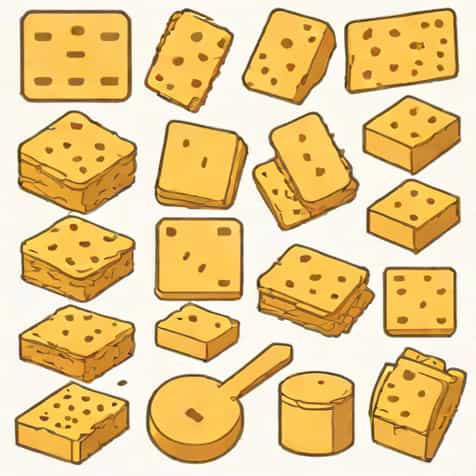
Hardtack is a simple yet historically significant type of food that has sustained travelers, sailors, and soldiers for centuries. It is a dense, long-lasting biscuit made from flour, water, and sometimes salt, designed to resist spoilage and provide sustenance during long journeys. Using hardtack in a sentence can help convey historical, culinary, or survival contexts, offering clarity and specificity when discussing food that is durable and utilitarian. Understanding how to use the word correctly adds depth to writing, especially when describing survival, naval history, or military life.
What Hardtack Means
Hardtack refers to a type of dry, hard biscuit that was commonly used as a staple during long trips where fresh food was scarce. Its durability made it ideal for soldiers during wars, sailors on long voyages, and pioneers traveling across harsh terrains. Though simple in ingredients, hardtack’s significance lies in its longevity and ability to provide basic nutrition over extended periods. The term can also be used metaphorically to describe something tough, enduring, or unyielding.
Using Hardtack in Everyday Sentences
Incorporating hardtack into sentences can provide vivid imagery, especially when discussing historical or survival contexts. Examples include
- The soldiers ate hardtack as their main source of food during the long campaign.
- Sailors on the ship relied on hardtack to survive months at sea.
- During the expedition, they packed hardtack to ensure they had something to eat in case of emergencies.
- Though bland and tough, hardtack was essential for sustaining the pioneers on their journey.
These sentences demonstrate the literal use of hardtack to describe its function as a durable food source.
Hardtack in Historical Contexts
Hardtack has a rich history that reflects human ingenuity in food preservation. It was a staple for armies during wars such as the American Civil War and for sailors during long sea voyages. Its ability to last months without spoiling made it an indispensable part of rations. For instance, The Civil War soldiers carried hardtack in their packs, often relying on it when fresh food was unavailable, illustrates its historical role in sustaining people during difficult times. Understanding hardtack provides insight into the challenges of past survival and military life.
Preparing and Consuming Hardtack
Making hardtack is straightforward but requires proper baking to ensure it lasts. Typically, it involves mixing flour, water, and salt into a dough, rolling it thin, and baking it until completely dry. While edible, hardtack is extremely hard and often requires soaking in water, coffee, or soup before consumption. Using hardtack in a sentence to describe preparation or consumption could be The sailors softened the hardtack in their tea to make it easier to chew. This example highlights both the preparation and the practical ways people consumed hardtack to make it more palatable.
Examples of Hardtack in Survival and Travel
- Explorers brought hardtack on their journey across the desert to ensure they had a long-lasting food supply.
- In survival training, participants learned how to eat hardtack efficiently without damaging their teeth.
- During the Arctic expedition, hardtack provided essential calories when fresh food was unavailable.li>
- Hardtack became a trusted food for pioneers traveling across the wilderness.li>
These examples illustrate how hardtack was valued for its durability and practicality in situations where food preservation was critical.
Metaphorical Uses of Hardtack
Beyond literal consumption, hardtack can be used metaphorically to describe something resilient or enduring. For example, one might say, His hardtack determination kept the team going despite numerous obstacles. This figurative use conveys toughness, durability, and reliability, much like the physical properties of the biscuit itself. Using hardtack metaphorically adds color and strength to descriptive language, emphasizing perseverance and steadfastness.
Tips for Using Hardtack in Sentences
To use hardtack effectively, consider the following tips
- Use it to describe historical, survival, or nautical food contexts.
- Pair it with descriptive phrases like tough, baked, or long-lasting to add detail.
- Use it metaphorically to describe durability, resilience, or toughness.
- Provide context to ensure clarity, especially if the audience may not be familiar with the term.
- In storytelling or historical writing, connect hardtack to experiences, challenges, or survival situations for vivid imagery.
Hardtack in Literature and Media
Writers and historians often reference hardtack to depict historical accuracy, survival, or endurance. In literature, it can emphasize the harsh conditions faced by characters, especially in war stories, pioneer tales, or naval adventures. For instance, The diary described how soldiers gnawed on hardtack during marches, enduring hunger and fatigue, uses hardtack to paint a realistic picture of historical life. In documentaries or educational media, hardtack is frequently highlighted as a symbol of sustenance, resilience, and preparation.
Examples in Storytelling and Media
- The novel detailed the army’s reliance on hardtack during prolonged battles.li>
- In the documentary, sailors described hardtack as their lifeline during months at sea.li>
- The historical reenactment included hardtack to demonstrate the soldiers’ daily rations.li>
- The explorer’s journal mentioned hardtack as a crucial provision for the long expedition.li>
Using hardtack in a sentence allows writers and speakers to convey historical, practical, and metaphorical concepts related to durable sustenance and resilience. Whether describing survival rations, historical military life, or using it as a metaphor for toughness and endurance, hardtack adds depth and specificity to communication. Understanding its literal and figurative applications enables more vivid storytelling, effective historical description, and creative expression. Incorporating hardtack thoughtfully in writing and conversation helps capture the essence of endurance, preparation, and survival, highlighting the ingenuity and resilience of people in challenging situations throughout history.