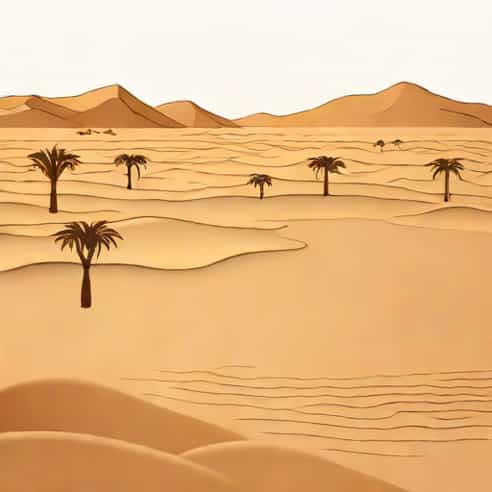
The Sahara Desert is known as one of the harshest and driest environments on Earth, stretching over 9 million square kilometers across North Africa. Despite its reputation for extreme aridity and scorching temperatures, the Sahara is not completely immune to rainfall and flooding. Occasional weather patterns, climate shifts, and rare storms can lead to localized flooding, creating surprising and sometimes dramatic transformations in the desert landscape. Understanding the phenomenon of flooding in the Sahara involves exploring its climate, geography, hydrology, and the effects on the environment and local populations.
Climate and Rainfall in the Sahara
The Sahara Desert is characterized by a hyper-arid climate, with annual rainfall often below 25 millimeters in the central regions. Temperatures can soar above 50°C during summer months, and evaporation rates are extremely high, which contributes to its dry conditions. Most of the desert experiences infrequent and unpredictable rainfall, usually occurring during short, intense storms. While rare, these bursts of rain can accumulate quickly, as the soil in many areas is unable to absorb water efficiently, leading to temporary flooding.
Seasonal Variations
Rainfall in the Sahara is not evenly distributed throughout the year. Some regions, particularly the northern edges and areas near the Sahel, may experience seasonal rains during certain months. This rainfall can trigger flash floods in wadis, which are dry riverbeds that fill rapidly with water. Flash floods are the most common form of flooding in the Sahara and can be dangerous despite their temporary nature.
Geography and Flooding Patterns
The Sahara’s vast expanse includes dunes, rocky plateaus, gravel plains, and dry riverbeds, all of which influence how water behaves during rare rain events. Low-lying areas and wadis are particularly prone to flooding, as water naturally collects in these depressions. Even a small amount of rain over a large area can result in sudden water flows, creating rivers and temporary lakes where none existed before.
Wadis and Flash Floods
Wadis are crucial to understanding Sahara flooding. They are natural channels that remain dry for most of the year but can rapidly fill during heavy rains. Flash floods in these areas can reach speeds comparable to mountain rivers, posing risks to anyone nearby. The suddenness of these floods is due to the hard, compacted soil of the desert, which prevents water from seeping in quickly, forcing it to flow along the surface.
Historical Flood Events
Throughout history, there have been notable flood events in the Sahara. In some cases, torrential rains have temporarily transformed arid landscapes into green plains covered with vegetation, attracting wildlife and creating opportunities for temporary human settlements. For example, satellite imagery has documented significant flooding in regions like the Libyan Desert and parts of Algeria, where ephemeral rivers appear after heavy rainfalls.
Impact on Ecosystems
Flooding, although rare, can have positive effects on the desert ecosystem. The sudden influx of water allows dormant seeds to germinate, creating bursts of plant growth known as desert blooms. These blooms provide food and shelter for insects, birds, and mammals that have adapted to the extreme conditions. While the desert remains largely inhospitable, these temporary changes demonstrate the resilience and adaptability of life in extreme environments.
Human Impact and Adaptation
Flooding in the Sahara can also impact human populations. Nomadic groups, small villages, and travelers must navigate the dangers of sudden flash floods. Roads and infrastructure can be damaged, and access to water becomes both a resource and a challenge. Historically, humans in the Sahara have adapted by establishing settlements near oases and natural depressions that can capture and store water during the rare rains.
Water Management Strategies
To mitigate the effects of flooding and maximize water availability, communities have developed various water management strategies. These include the construction of small dams, reservoirs, and channels to redirect and store rainwater. Such methods allow temporary floods to become useful resources for agriculture, livestock, and human consumption. In modern times, satellite monitoring and weather prediction have further helped communities prepare for potential floods.
Climate Change and Future Flooding
Climate change introduces new variables to the Sahara’s rainfall patterns. Some studies suggest that increasing temperatures and shifting atmospheric conditions could lead to more intense but sporadic storms in the region. This may result in more frequent flash floods or larger flood events in certain areas. While the desert is unlikely to become consistently wet, these changes could significantly affect both ecosystems and human activity.
Environmental Concerns
Sudden flooding can erode soils, damage vegetation, and alter landscapes. Flash floods can also carry debris and sediment that impact local water systems. While flooding can temporarily revitalize parts of the desert, repeated or intense events might disrupt fragile ecosystems and challenge traditional ways of life. Researchers continue to monitor these patterns to understand the long-term implications of changing rainfall in the Sahara.
In summary, while the Sahara Desert is primarily known for its extreme dryness, it is not immune to flooding. Rare but intense rainfall, geographic features like wadis, and seasonal variations contribute to temporary flood events that can dramatically transform the landscape. These floods impact ecosystems, human settlements, and infrastructure, highlighting both the power and unpredictability of nature in one of the world’s most extreme environments. Understanding that the Sahara can flood, even if infrequently, underscores the importance of preparedness, adaptation, and continued research on desert climates and hydrology.