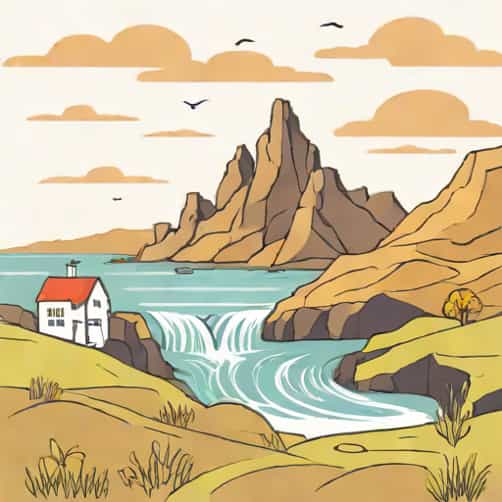
Iceland, often referred to as the land of fire and ice, is a destination that captivates travelers with its stunning landscapes, geothermal wonders, glaciers, waterfalls, and unique wildlife. Deciding the best time to visit Iceland depends on what experiences you want to prioritize, whether it’s witnessing the Northern Lights, exploring glaciers, enjoying long summer days, or engaging in outdoor adventures. Each season in Iceland offers distinct advantages and challenges, making it essential to plan your trip carefully to maximize enjoyment and capture the beauty of this Nordic island nation.
Visiting Iceland in Summer
Summer in Iceland, which spans from June to August, is considered by many travelers as the most favorable time to visit. During this period, the weather is milder, with temperatures ranging from 10°C to 15°C (50°F to 59°F), although occasional warm days can reach higher. One of the highlights of visiting Iceland in summer is experiencing the Midnight Sun, where daylight lasts nearly 24 hours, especially in the northern parts of the country. This phenomenon allows for extended sightseeing, photography, and outdoor activities, including hiking, whale watching, and exploring waterfalls and volcanic landscapes.
Advantages of Summer Travel
- Long daylight hours provide more time for sightseeing and photography.
- Accessible roads and hiking trails, including highland routes.
- Warm temperatures suitable for outdoor activities and road trips.
- Opportunities for festivals, cultural events, and music performances.
However, it is important to note that summer is also peak tourist season, which means popular attractions can be crowded, and prices for accommodation and tours tend to be higher.
Visiting Iceland in Winter
Winter in Iceland, from December to February, offers a completely different experience. This is the best time to witness the Northern Lights, a magical natural phenomenon that attracts travelers from around the world. Winter temperatures range from -1°C to 4°C (30°F to 39°F) in coastal areas, while the interior can be much colder. Snow covers much of the landscape, creating a picturesque scene for photography and winter sports enthusiasts. Glacier hiking, ice cave tours, and exploring frozen waterfalls are popular activities during this season.
Advantages of Winter Travel
- Best chance to see the Northern Lights.
- Snow-covered landscapes offer unique photographic opportunities.
- Fewer tourists at major attractions, providing a more tranquil experience.
- Winter activities such as ice caving, snowmobiling, and skiing.
Winter travel also comes with challenges, including limited daylight hours, rough weather conditions, and some roads or highland routes being inaccessible. Travelers must prepare for cold temperatures and potential travel delays due to snowstorms.
Visiting Iceland in Spring
Spring, from March to May, is a transitional season in Iceland that offers a mix of winter remnants and emerging greenery. Snow begins to melt, rivers and waterfalls swell with runoff, and migratory birds return, making it a great time for nature enthusiasts. The weather gradually warms, and daylight hours increase significantly, providing more opportunities for outdoor exploration without the summer crowds. Spring is also ideal for witnessing Icelandic flora beginning to bloom and for spotting puffins along the coast.
Advantages of Spring Travel
- Increasing daylight hours make sightseeing more convenient.
- Fewer tourists compared to summer, ensuring a quieter experience.
- Opportunity to see migratory birds and emerging spring flora.
- Moderate weather suitable for hiking and road trips.
Spring is considered a shoulder season, which often results in more affordable accommodation and tour options. However, travelers should be prepared for occasional snow or rain and rapidly changing weather conditions.
Visiting Iceland in Autumn
Autumn, from September to November, is another transitional period that provides a unique Icelandic experience. The autumn colors transform the landscape, offering beautiful photographic opportunities. This season also offers a good chance to see the Northern Lights before the harsh winter sets in. Temperatures begin to drop, ranging from 2°C to 10°C (36°F to 50°F), and while days are shorter than in summer, they are still long enough for outdoor exploration. Autumn is perfect for those who want to combine sightseeing with a quieter, less crowded environment.
Advantages of Autumn Travel
- Beautiful fall foliage and colorful landscapes.
- Good chance to witness the Northern Lights as nights lengthen.
- Fewer tourists than in peak summer months.
- Moderate prices for accommodation and tours.
Autumn travel does come with unpredictability in weather, including rain and wind, so travelers should be prepared with appropriate clothing and gear for outdoor activities.
Factors to Consider When Planning Your Trip
Choosing the best time to visit Iceland depends on personal preferences and desired experiences. Here are several factors to consider
- WeatherSummer offers milder weather, while winter is cold and snowy.
- Daylight HoursSummer provides nearly 24-hour daylight, winter has very limited daylight.
- ActivitiesConsider whether you want to see the Northern Lights, hike glaciers, explore waterfalls, or attend festivals.
- Crowds and CostsSummer is busiest and most expensive, while spring and autumn are quieter and more affordable.
- AccessibilitySome roads, especially in the highlands, are only accessible during summer.
Iceland is a destination that offers remarkable experiences year-round, but the best time to visit depends largely on what travelers wish to experience. Summer is ideal for exploring the entire country with long daylight hours and accessible roads. Winter attracts those eager to witness the Northern Lights and enjoy snow-covered landscapes. Spring and autumn offer a quieter, less crowded experience with unique natural transitions in the environment. By carefully considering factors such as weather, daylight, activities, and crowd levels, travelers can select the optimal time to visit Iceland and fully enjoy the breathtaking scenery, natural wonders, and adventure opportunities that make this Nordic island a bucket-list destination.