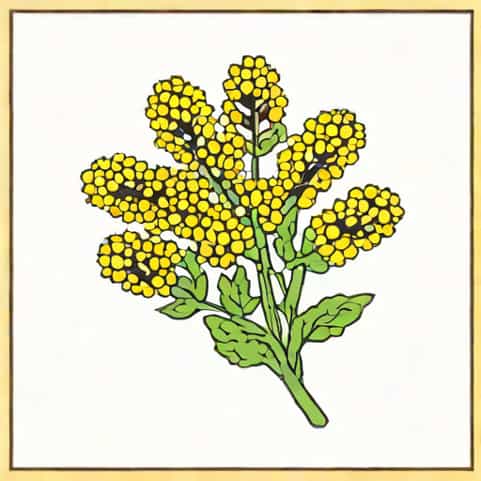
Yarrow is a hardy, perennial flowering plant known for its feathery foliage and clusters of tiny blooms that can brighten any garden. Gardeners often appreciate yarrow for its drought tolerance, long-lasting flowers, and ability to attract pollinators. One common question among gardening enthusiasts is whether deadheading yarrow is necessary or beneficial. Deadheading refers to the practice of removing spent flowers to encourage further blooming or maintain the plant’s appearance. Understanding when and why to deadhead yarrow can help you keep your garden healthy, vibrant, and well-maintained throughout the growing season.
What is Deadheading?
Deadheading is the process of removing faded or spent blooms from plants. The primary purpose is to prevent the plant from putting energy into seed production, redirecting resources toward continued flowering or growth. Deadheading can also improve the visual appeal of a garden by eliminating wilted flowers that might make plants look untidy. While deadheading is a common gardening practice, its necessity varies depending on the type of plant and the gardener’s goals, such as promoting continuous blooms or harvesting seeds.
Why Gardeners Consider Deadheading Yarrow
- Encouraging Repeat BloomsSome gardeners deadhead yarrow to promote a second or extended flowering period during the growing season.
- Maintaining Garden AestheticsRemoving spent flowers keeps yarrow plants looking neat and vibrant, especially in borders and flower beds.
- Preventing Self-SeedingYarrow produces seeds readily, and deadheading can help control unwanted spreading in the garden.
- Reducing Disease RisksDecaying flowers can sometimes harbor pests or fungal issues, so removing them can improve overall plant health.
Benefits of Deadheading Yarrow
Deadheading yarrow can provide several advantages, although the plant is generally low-maintenance and can thrive without constant attention. By removing spent flowers, gardeners can encourage the plant to produce more blooms, extend the visual appeal of flower clusters, and maintain a tidy appearance. Deadheading can also reduce the likelihood of excessive self-seeding, which is helpful in smaller gardens or controlled landscaping areas. Additionally, the process can give you an opportunity to inspect plants for signs of pests or disease, helping to maintain overall garden health.
Promoting Continuous Blooms
While yarrow blooms from late spring through early fall, deadheading can help stimulate additional flowering. Removing faded flowers prevents the plant from shifting energy toward seed production, allowing more resources to be directed to new growth and flower buds. This can result in a longer, more vibrant blooming season, which is particularly beneficial for gardeners who rely on yarrow to provide continuous color in flower beds or containers.
Maintaining Garden Appearance
Yarrow can look untidy when spent flowers remain on the stems. Deadheading helps maintain a neat and visually appealing display, especially in formal gardens, borders, or mixed perennial beds. This simple task can make a significant difference in overall garden aesthetics, keeping yarrow looking fresh and lively throughout the growing season.
When Deadheading May Not Be Necessary
Despite the benefits, deadheading yarrow is not always essential. Yarrow is a resilient plant that can thrive and bloom repeatedly without regular maintenance. In naturalistic gardens or prairie-style landscapes, leaving flowers to mature and produce seeds can support wildlife, including pollinators and birds. Some gardeners prefer to allow yarrow to self-seed naturally, creating new plants without the need for propagation. In these settings, deadheading is optional and depends on aesthetic preference rather than plant health.
Encouraging Wildlife
Allowing yarrow flowers to go to seed can attract birds and other wildlife, providing a natural food source. This is especially important in gardens designed to support local ecosystems. Deadheading in such cases may reduce available seeds for wildlife, so gardeners who prioritize ecological benefits might choose to leave some flowers intact while selectively deadheading others for appearance.
Seed Production for Propagation
If you want to collect yarrow seeds for future planting or to share with other gardeners, leaving flowers to mature is necessary. Deadheading too early can prevent seed formation, limiting opportunities for propagation. In these cases, partial deadheading-removing only some of the spent blooms-can be a compromise between maintaining aesthetics and supporting seed production.
How to Deadhead Yarrow Properly
When you decide to deadhead yarrow, following proper techniques can ensure the best results. Using clean, sharp garden shears or scissors, cut the spent flower stems back to the base or just above a healthy set of leaves. Avoid cutting too aggressively, as this can damage the plant or remove developing buds. Regular inspection of the plant helps identify which flowers are ready for removal and ensures that the process does not interfere with ongoing growth.
Step-by-Step Guide
- Identify spent blooms Look for flowers that are wilted, faded, or dried out.
- Use clean tools Ensure scissors or shears are sharp and sanitized to prevent disease transmission.
- Cut at the base Remove the flower stem close to the main plant without damaging nearby foliage.
- Leave some buds intact To maintain continuous blooms, avoid cutting stems that have developing flower buds.
- Dispose or compost Remove dead flowers from the garden to reduce pests or disease risks.
Seasonal Considerations
Deadheading yarrow is most effective during the active growing and blooming season, typically from late spring to early fall. After the first frost, yarrow naturally dies back, and deadheading is no longer necessary. In colder climates, gardeners may choose to leave some stems for winter interest or wildlife habitat. Understanding the plant’s growth cycle helps determine when deadheading will provide the greatest benefits.
Late Season Deadheading
As the growing season ends, minimal deadheading is needed. At this time, removing only the most unsightly flowers can improve garden appearance without compromising seed dispersal or natural habitat benefits. This approach balances aesthetics with ecological considerations, allowing gardeners to enjoy both a neat garden and support for local wildlife.
Deciding whether to deadhead yarrow depends on your gardening goals and preferences. For gardeners who prioritize continuous blooms, neat appearance, and controlled growth, deadheading can be beneficial. However, yarrow is naturally low-maintenance, and allowing flowers to mature supports seed production and wildlife. By understanding the benefits, timing, and proper techniques for deadheading, gardeners can make informed choices to keep yarrow healthy, vibrant, and thriving throughout the growing season while balancing ecological and aesthetic considerations.