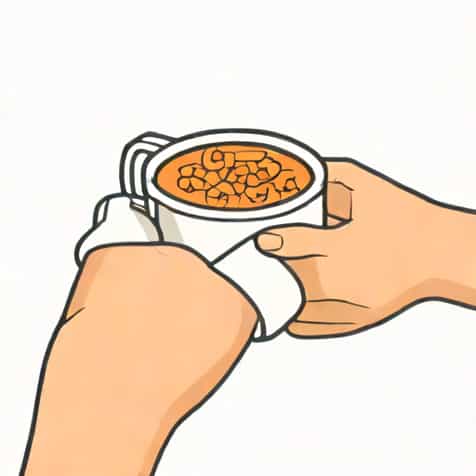
The universal cuff for feeding is an essential adaptive device designed to improve independence and quality of life for individuals with limited hand or arm mobility. Often used by people with conditions such as stroke, arthritis, cerebral palsy, or spinal cord injuries, this device allows users to hold utensils securely without the need for a strong grip or fine motor control. By enabling easier access to meals and reducing reliance on caregivers, the universal cuff fosters confidence, dignity, and self-sufficiency during daily activities. Its design, functionality, and versatility make it a valuable tool in both home care and rehabilitation settings.
Overview of the Universal Cuff
The universal cuff is a simple yet effective device that wraps around the hand or wrist and holds a spoon, fork, or other eating utensil. Made from soft, flexible materials, it ensures comfort while providing stability and control during feeding. Some models feature adjustable straps, allowing customization to fit different hand sizes and accommodate varying levels of mobility. The primary goal of the universal cuff is to empower individuals with physical limitations to eat independently, reducing frustration and promoting a sense of accomplishment.
Materials and Design Features
Universal cuffs are typically made from materials such as neoprene, foam, or soft plastic, which provide a balance between comfort and durability. Key design features include
- Adjustable straps to secure the cuff around the wrist or hand.
- Flexible loops or holders that grip utensils firmly.
- Lightweight construction for ease of use and reduced fatigue.
- Washable materials for hygiene and long-term use.
- Versatility to accommodate different types of utensils, such as spoons, forks, or specialized feeding tools.
Benefits of Using a Universal Cuff
The universal cuff offers numerous advantages, enhancing independence, efficiency, and comfort during feeding. These benefits extend to both the user and caregivers, improving the overall mealtime experience.
Promotes Independence
One of the most significant benefits of a universal cuff is promoting independence. Users can feed themselves without requiring assistance, which enhances confidence and personal dignity. For individuals recovering from injury or living with chronic conditions, the ability to eat independently can significantly improve quality of life and self-esteem.
Reduces Strain and Fatigue
For individuals with weak grip strength or limited dexterity, holding utensils can be exhausting and uncomfortable. The universal cuff supports the utensil, reducing the effort required and minimizing strain on the hand, wrist, and forearm. This allows users to focus on enjoying their meals rather than struggling with the mechanics of eating.
Facilitates Rehabilitation
Occupational therapists and rehabilitation specialists often incorporate universal cuffs into therapy programs. Using the device can help maintain and improve motor skills, coordination, and hand strength. It also encourages repetition of functional movements, which is beneficial for neuroplasticity and recovery following neurological injuries such as stroke.
Types of Universal Cuffs
Universal cuffs come in various styles to meet different needs and levels of mobility. Selecting the appropriate type is essential for comfort and effectiveness.
Standard Feeding Cuffs
These basic models feature a simple strap and loop system to hold utensils. They are lightweight, easy to use, and suitable for individuals with mild to moderate mobility limitations. Standard feeding cuffs are often adjustable and compatible with most types of eating utensils.
Adaptive Feeding Cuffs
Adaptive versions may include additional features such as larger loops for easier insertion of utensils, reinforced materials for extra stability, or ergonomic designs that better accommodate limited range of motion. These cuffs are particularly useful for individuals with severe motor impairments or conditions affecting hand control.
Customizable and Therapeutic Cuffs
Some universal cuffs can be custom-fitted or include therapeutic components such as splints to support the wrist or fingers. These designs not only aid in feeding but also provide therapeutic benefits, promoting proper alignment and reducing the risk of further injury.
How to Use a Universal Cuff
Using a universal cuff is straightforward, but proper application ensures maximum comfort and effectiveness. Basic steps include
- Position the cuff comfortably around the wrist or hand.
- Insert the utensil into the loop or holder.
- Adjust the strap to secure the cuff without causing pressure or discomfort.
- Practice controlled movements while eating, gradually increasing confidence and dexterity.
- Clean the cuff regularly according to manufacturer instructions to maintain hygiene.
Tips for Effective Use
To get the most out of a universal cuff, consider these tips
- Choose the appropriate size and style for your level of mobility.
- Start with simple utensils before progressing to more complex feeding tools.
- Incorporate the device into daily meals to build confidence and familiarity.
- Seek guidance from an occupational therapist if needed, especially for therapeutic or custom cuffs.
- Ensure regular cleaning to maintain hygiene and durability.
Care and Maintenance
Proper care of a universal cuff extends its lifespan and ensures continued comfort and effectiveness. Most cuffs are washable and should be cleaned regularly to remove food residue and prevent bacterial growth. Avoid using harsh chemicals or abrasive materials that could damage the cuff. Checking for wear and tear, especially in straps and loops, is important to ensure the utensil remains secure during use. Following manufacturer instructions for care and maintenance will help preserve the device’s functionality and hygiene.
Hygiene Considerations
Maintaining hygiene is critical, particularly for users with compromised immune systems or medical conditions. Universal cuffs should be washed after each meal, and any soiled parts should be cleaned promptly. Some cuffs are machine washable, while others may require hand washing. Proper drying prevents mold and keeps the cuff comfortable and safe for repeated use.
The universal cuff for feeding is a simple yet transformative device that enhances independence, promotes self-esteem, and improves the overall mealtime experience for individuals with limited hand or arm mobility. With its versatile design, adjustable fit, and comfort-focused materials, the universal cuff allows users to enjoy meals with dignity and confidence. Beyond feeding, it supports rehabilitation and therapeutic goals, making it an essential tool in occupational therapy and home care settings. By investing in a universal cuff, individuals and caregivers can significantly improve daily living activities, creating a more fulfilling and independent lifestyle.