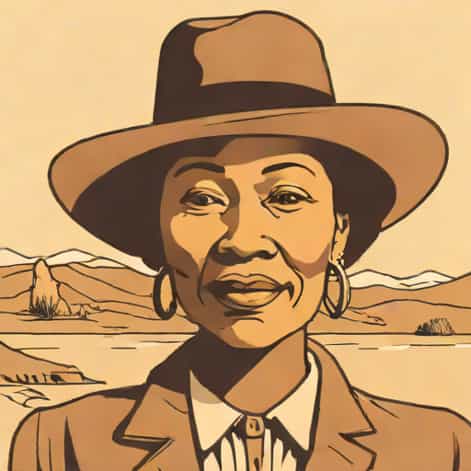
Zora Neale Hurston’s work on Hoodoo in America remains a significant part of African American cultural history and folklore studies. Hoodoo, often described as African American folk magic or rootwork, has deep roots in the spiritual, cultural, and social experiences of Black communities throughout the United States. Hurston, best known for her literary achievements such as *Their Eyes Were Watching God*, was also a trained anthropologist and folklorist who took a keen interest in documenting the practices, stories, and beliefs surrounding Hoodoo. Her research provides insights into how Hoodoo functioned as a form of resilience, spiritual expression, and community identity. Many readers today search for a *Hoodoo in America* PDF or other formats to better understand her perspective, historical context, and the importance of this tradition in American cultural history.
Who Was Zora Neale Hurston?
Zora Neale Hurston was an African American writer, anthropologist, and folklorist born in 1891 in Alabama and raised in Eatonville, one of the first allBlack incorporated towns in the United States. She studied anthropology under Franz Boas at Barnard College and became one of the most influential figures of the Harlem Renaissance. Hurston used her academic background and literary talent to preserve African American folklore, dialects, spiritual practices, and cultural stories that might otherwise have been lost. Her work went beyond storytelling; it was a preservation of heritage, identity, and lived experience. Among her many contributions, her research on Hoodoo offers a rare and respectful glimpse into this spiritual world and its role in everyday life.
Hurston’s Approach to Folklore and Anthropology
Hurston’s academic training allowed her to approach folklore not merely as a collector of tales but as someone who understood the cultural contexts behind them. She was interested in how people lived, why they believed what they believed, and how traditional practices fit into broader social and historical frameworks. During her research trips across the South, she recorded songs, stories, spiritual practices, and magical traditions, including Hoodoo. Her work often emphasized the humanity, creativity, and resilience of the people she studied. Instead of marginalizing these traditions, she presented them as meaningful expressions of cultural identity.
Understanding Hoodoo in America
Hoodoo in America refers to a set of magical and spiritual practices that African Americans developed through a blend of African spiritual traditions, Native American influences, and European folk beliefs. Contrary to how it is sometimes portrayed in popular culture, Hoodoo is not a religion but rather a system of spiritual practices, charms, rootwork, and folk magic. It was historically used to protect, heal, attract love, bring luck, or defend against harm. For many African Americans, Hoodoo served as a spiritual resource in times of hardship, discrimination, and social exclusion, providing a means to reclaim power and agency in a world that often denied it.
Key Elements of Hoodoo
- Rootwork and botanical knowledge involving herbs, roots, and natural materials.
- Cooking magic or spellwork tied to everyday life and practical needs.
- Charms and amulets made for protection, luck, love, and prosperity.
- Prayer and spiritual communication blending Christian elements with African traditions.
Hurston’s *Hoodoo in America* Research
Although Zora Neale Hurston never published a formal book titled *Hoodoo in America* during her lifetime, her field notes, essays, and recorded interviews contain substantial material on Hoodoo practices. Researchers and enthusiasts often seek a *Hoodoo in America PDF* that compiles her findings, annotations, and unpublished work. Her archives include stories of root doctors, spellwork shared by practitioners in rural communities, and Hurston’s reflections on the meaning behind these practices. These writings are sometimes hosted in academic repositories or collections of her papers, and enthusiasts compile them into PDFs or other formats for study and preservation.
The Importance of Her Field Notes
Hurston’s field notes are valuable because they provide firsthand accounts of practitioners and their techniques. She documented not only the rituals and tools used in Hoodoo but also the conversations, language, and context in which these practices existed. Her work goes beyond mere description; it captures the worldview and spiritual logic of Hoodoo practitioners. For scholars, historians, and cultural enthusiasts, these notes offer a window into a tradition that historically lacked formal documentation and was often misinterpreted by outsiders.
Where Her Work Fits in Cultural History
Hurston’s contributions to the study of Hoodoo are part of her larger legacy as a preserver of African American cultural expressions. She saw value in traditions that mainstream academics and society often dismissed. By documenting Hoodoo practices, she helped legitimize and preserve a vital part of African American heritage. Her work challenges stereotypes and highlights the complexity and richness of African American spiritual life. For those exploring African American history, folklore, and spirituality, learning about Hoodoo through Hurston’s research provides depth and context that enriches understanding.
Hoodoo vs. Voodoo and Other Practices
It is important to distinguish Hoodoo from other spiritual systems like Voodoo (or Vodou) and SanterÃa. Hoodoo is a form of folk magic and spiritual practice that emerged in the American context, while Voodoo and similar religions are organized religious systems with specific deities, rituals, and theological frameworks. Hurston’s work helps clarify these distinctions and shows how Hoodoo adapted to local conditions and blended diverse cultural influences. Understanding these differences prevents misunderstanding and respects the cultural integrity of each tradition.
Why People Look for a *Hoodoo in America PDF*
Many people interested in African American folklore, spiritual traditions, or cultural history search for a *Hoodoo in America PDF* because Hurston’s writings on this topic are not always readily available in a single published volume. PDFs compiled by scholars or cultural organizations often bring together her essays, field notes, and related materials, making it easier for readers to study her insights without having to access physical archives. These compilations provide accessibility for students, educators, and anyone curious about the roots and practices of Hoodoo. However, it’s important to use reputable sources and respect copyright and academic integrity when accessing or sharing such materials.
Uses of PDFs in Research and Study
- Convenient access to primary source material and field research.
- Ability to search and annotate text for academic work.
- Preservation of rare or unpublished writings for future generations.
- Resource for teaching African American folklore and cultural studies.
Impact of Hurston’s Work Today
Zora Neale Hurston’s documentation of Hoodoo and other aspects of African American cultural expression continues to influence scholars, writers, and artists. Her work appears in university courses on folklore, literature, and cultural history. Contemporary writers look to her fieldwork as a model for respectful and immersive ethnographic research. Hurston’s blending of narrative, anthropology, and cultural reflection inspires efforts to preserve other traditions that have been marginalized or misunderstood. Her legacy ensures that Hoodoo, as a lived spiritual tradition, is not forgotten or oversimplified, but appreciated as a meaningful part of American cultural history.
Her Contributions Beyond Hoodoo
- Preservation of Black folklore, songs, and oral narratives.
- Insight into everyday life in early 20thcentury Black communities.
- Literary works that celebrate Black voices and experiences.
- Influence on later generations of writers and scholars.
Zora Neale Hurston’s exploration of Hoodoo in America provides a rich, nuanced understanding of a spiritual tradition rooted in history, resilience, and cultural expression. While there may not be a single official *Hoodoo in America PDF* authored by Hurston during her lifetime, her collected works, field notes, and writings form a valuable resource for anyone interested in this topic. Her commitment to documenting Hoodoo respectfully and thoroughly has helped preserve this tradition in academic and cultural memory. By studying her work, readers gain insight into the complexity of Hoodoo, the cultural context in which it developed, and the broader significance of African American spiritual practices in the American historical landscape.