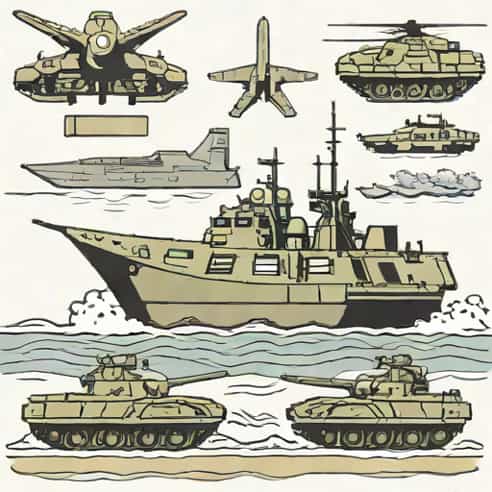
The concept of joint doctrine for amphibious operations plays a crucial role in modern military strategy, integrating the efforts of multiple service branches to achieve seamless coordination during complex assaults. Amphibious operations are inherently challenging, requiring precise timing, logistical planning, and effective communication among naval, ground, and air forces. Joint doctrine serves as a comprehensive framework that guides the planning, execution, and assessment of these operations, ensuring that all participating units operate with a unified purpose. Understanding the principles and guidelines of joint doctrine is essential for military professionals and enthusiasts who wish to grasp the complexity of amphibious warfare and its strategic significance.
Understanding Joint Doctrine
Joint doctrine refers to a set of standardized procedures, principles, and guidelines that govern how different branches of the military cooperate during combined operations. In the context of amphibious warfare, joint doctrine ensures that naval, land, and air forces can execute complex maneuvers with precision. This doctrine emphasizes interoperability, shared communication protocols, and unified command structures to prevent confusion and maximize operational effectiveness. By adhering to joint doctrine, military forces can synchronize their efforts, reduce the risk of friendly fire, and achieve strategic objectives more efficiently.
Key Principles of Amphibious Operations
Amphibious operations involve launching attacks from the sea onto hostile or potentially hostile shores. The joint doctrine outlines several key principles that guide these operations
- Unity of CommandEstablishing a single command structure is essential to coordinate complex movements between naval, air, and land forces.
- Surprise and DeceptionUtilizing elements of surprise can disrupt enemy defenses and increase the likelihood of operational success.
- FlexibilityThe ability to adapt plans based on changing conditions, enemy responses, and environmental factors is critical.
- Mass and Concentration of ForceDeploying sufficient troops and firepower at decisive points ensures that the operation can achieve its objectives effectively.
- Security and IntelligenceGathering timely intelligence and maintaining operational security are essential to minimize risks during amphibious landings.
Components of Joint Amphibious Operations
Joint amphibious operations integrate multiple military components to achieve strategic objectives. These components include naval forces, ground troops, air support, and logistical elements. Each plays a distinct role in ensuring the success of the operation.
Naval Forces
The navy provides the essential platform for deploying troops, equipment, and supplies to the operational area. Naval forces also secure sea lines of communication, conduct reconnaissance, and provide fire support through naval artillery and missile systems. Amphibious assault ships and landing craft are key assets that enable the rapid and coordinated movement of personnel and material onto the shore.
Ground Forces
Once ashore, ground forces execute objectives that range from securing a beachhead to advancing inland and capturing strategic locations. The doctrine emphasizes the importance of well-coordinated land operations, including the use of mechanized units, infantry, and specialized teams trained in amphibious assaults. Ground forces rely heavily on naval and air support for initial landings and subsequent operations.
Air Support
Air forces provide reconnaissance, close air support, and interdiction capabilities that enhance the overall effectiveness of amphibious operations. Precision airstrikes, aerial resupply, and the deployment of airborne units can significantly influence the outcome of these missions. Joint doctrine ensures that air assets are integrated seamlessly with naval and ground operations, reducing the risk of miscommunication and increasing operational efficiency.
Logistics and Support
Effective logistics are a cornerstone of successful amphibious operations. The joint doctrine outlines procedures for coordinating the movement of troops, equipment, and supplies from ships to the shore. This includes establishing supply lines, medical evacuation procedures, and maintaining communication networks. Without robust logistical support, even the most well-planned amphibious assault can fail.
Planning an Amphibious Operation
Planning is a critical phase of any amphibious operation and requires meticulous attention to detail. Joint doctrine provides a structured approach that includes mission analysis, intelligence assessment, resource allocation, and contingency planning. Commanders must evaluate enemy defenses, terrain, weather conditions, and available assets to create an adaptable operational plan. Risk assessment and coordination among service branches are emphasized to ensure that each element functions cohesively during execution.
Execution and Coordination
The execution phase of an amphibious operation demands precise timing and coordination among all participating forces. Joint doctrine emphasizes synchronized movements, continuous communication, and the ability to respond to unforeseen challenges. Naval forces typically lead the approach, with air support providing cover and reconnaissance. Ground forces then secure the landing zone, establishing a foothold for further operations. Real-time adjustments based on intelligence updates and battlefield conditions are crucial for maintaining momentum and achieving objectives.
Training and Exercises
Adherence to joint doctrine is reinforced through rigorous training and exercises. Amphibious operations often involve live-fire drills, simulated landings, and coordination exercises that test interoperability between service branches. These exercises ensure that personnel understand their roles, communication protocols, and the operational flow required for successful missions. Continuous training helps identify gaps in capability and allows commanders to refine strategies in a controlled environment before deploying in real-world scenarios.
Historical Examples
Historical amphibious operations provide valuable lessons in the application of joint doctrine. From World War II landings to modern exercises, military planners have drawn insights into the importance of coordination, timing, and flexibility. These operations demonstrate that the integration of naval, ground, and air forces, guided by clear doctrine, can decisively influence the outcome of complex military engagements.
Challenges in Joint Amphibious Operations
Despite careful planning and adherence to doctrine, amphibious operations face inherent challenges. Environmental factors such as rough seas, adverse weather, and difficult terrain can disrupt operations. Enemy defenses, including fortifications, mines, and anti-ship systems, pose significant threats. Additionally, maintaining seamless communication and coordination among diverse service branches remains a constant challenge. Joint doctrine provides a framework to address these issues, but successful execution often depends on adaptability and real-time decision-making by commanders.
Future of Amphibious Doctrine
As military technology evolves, joint doctrine for amphibious operations continues to adapt. Innovations in unmanned systems, precision-guided munitions, and cyber warfare are increasingly integrated into amphibious strategies. Future doctrine emphasizes greater reliance on intelligence, surveillance, and reconnaissance, as well as rapid deployment and mobility. The principles of coordination, flexibility, and joint planning remain central, ensuring that amphibious operations continue to be a vital component of modern military capability.
The joint doctrine for amphibious operations provides a comprehensive framework that unifies the efforts of naval, ground, and air forces during complex assaults. By emphasizing coordination, planning, and adaptability, this doctrine ensures that multi-service operations are executed with precision and efficiency. Understanding the principles, components, and challenges of amphibious warfare is essential for military professionals and enthusiasts seeking insight into one of the most demanding forms of modern combat. Through careful adherence to doctrine, rigorous training, and continuous adaptation, amphibious operations remain a critical element of strategic military planning.