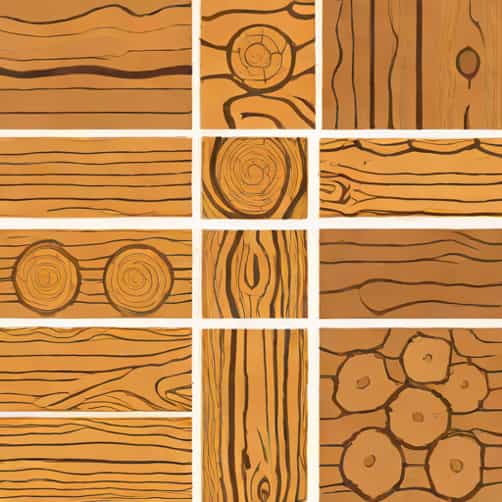
When it comes to choosing the right type of wood for furniture, flooring, or construction, many people find themselves asking about the difference between hardwood and softwood. These two categories of wood are not defined by their hardness, as many assume, but by the type of tree they come from and their internal structure. Understanding the characteristics, uses, and advantages of hardwood and softwood can help you make better decisions for any woodworking or building project.
Understanding the Basic Difference
The main difference between hardwood and softwood lies in the type of trees they originate from. Hardwood comes from angiosperms, which are flowering trees that have broad leaves and usually lose their foliage annually. Examples include oak, maple, walnut, and mahogany. Softwood, on the other hand, comes from gymnosperms-trees that have needles and produce cones, such as pine, fir, spruce, and cedar.
While the names suggest that hardwoods are always harder than softwoods, that is not always true. For instance, balsa wood is classified as a hardwood, yet it is one of the softest and lightest types of wood available. Conversely, some softwoods like yew can be quite hard and durable. Therefore, the classification is botanical rather than based on physical properties.
Growth Patterns and Tree Structure
Hardwood trees generally grow more slowly than softwood trees. Because of this slower growth, their wood tends to be denser, resulting in greater durability and strength. The cellular structure of hardwoods includes vessels, or pores, that transport water within the tree. These pores are visible in the grain, giving hardwoods their distinctive textures and patterns.
Softwood trees, in contrast, grow faster and have a simpler structure without vessels. They transport water through tracheids, which are long, thin cells that also provide support. The grain of softwoods is typically smoother and more uniform, which makes them easier to work with and more predictable when cutting or shaping.
Appearance and Grain Pattern
Hardwoods often have a more varied and attractive grain pattern due to their porous structure. This makes them popular for decorative applications such as furniture, cabinetry, and flooring. Each species of hardwood offers unique colors and grain textures, which can range from fine and smooth to coarse and bold. For example, oak has a pronounced grain, while maple is known for its subtle, even texture.
Softwoods, by comparison, have a lighter color palette and less prominent grain. Woods like pine and spruce are pale yellow or light brown and take stain well, making them versatile for various finishes. Because of their consistent grain, softwoods are ideal for painting or for use in areas where appearance is less critical, such as framing and general construction.
Durability and Strength
In general, hardwoods are more durable and wear-resistant than softwoods. Their dense structure makes them better suited for high-traffic areas or heavy-use items like floors, doors, and furniture. Hardwoods such as oak, teak, and hickory can last for decades if properly maintained. Their resistance to dents, scratches, and moisture also contributes to their longevity.
Softwoods, while not as dense, offer good strength relative to their weight. They are commonly used in structural applications, including roof beams, wall framing, and window frames. Softwoods like Douglas fir and pine are strong enough for construction while remaining lightweight and easy to handle. However, they may require treatment or sealing to improve resistance to decay and pests.
Workability and Cost
Softwoods are generally easier to cut, shape, and nail, which makes them a favorite among builders and DIY enthusiasts. Their uniform texture and lower density allow for faster machining and smoother finishes. Additionally, because softwood trees grow quickly and are widely available, softwoods tend to be less expensive than hardwoods.
Hardwoods, on the other hand, are more challenging to work with due to their density and complex grain. They require sharper tools and more time to shape properly. However, the payoff is a product that offers superior strength, beauty, and longevity. The higher price of hardwood often reflects both its quality and the time it takes to grow and process.
Common Examples and Their Uses
Examples of Hardwood
- OakCommonly used for furniture, flooring, and wine barrels due to its strength and prominent grain.
- MapleKnown for its light color and fine grain, ideal for cabinetry and butcher blocks.
- MahoganyValued for its rich reddish color and resistance to rot, often used in high-end furniture.
- WalnutPopular for luxury furniture and paneling because of its dark, elegant appearance.
Examples of Softwood
- PineA versatile and affordable wood used in furniture, doors, and construction framing.
- CedarNaturally resistant to insects and moisture, ideal for outdoor furniture and decking.
- SpruceCommon in musical instruments and structural components due to its lightweight strength.
- FirFrequently used in building materials and plywood production for its straight grain.
Environmental Impact and Sustainability
The environmental difference between hardwood and softwood also plays an important role in modern construction and manufacturing. Softwood trees grow much faster and are often cultivated in managed forests, making them a more renewable resource. As a result, softwoods are generally considered more sustainable for large-scale projects where environmental responsibility is a concern.
Hardwood trees take decades to mature, so their harvesting requires more careful management to prevent deforestation. However, many hardwood species are now sourced from certified sustainable forests. Additionally, because hardwood products are long-lasting, they often offset their environmental impact over time by reducing the need for replacement materials.
Applications in Modern Construction
Hardwood and softwood both play essential roles in modern architecture and design. Hardwoods are often chosen for their visual appeal and durability in visible applications such as flooring, furniture, staircases, and cabinetry. Their ability to be sanded and refinished multiple times adds to their lifespan and value.
Softwoods dominate in structural and industrial applications. They are used in framing, plywood, paper production, and even certain types of engineered wood like oriented strand board (OSB). The ease of working with softwood makes it a practical choice for large construction projects, while hardwood remains the material of choice for fine craftsmanship and luxury design.
How to Choose Between Hardwood and Softwood
When deciding whether to use hardwood or softwood, consider the purpose, budget, and aesthetic requirements of your project. If you need a material that will endure heavy wear or provide a rich, elegant look, hardwood is the better option. For projects that require affordability, flexibility, or large quantities of material, softwood may be the ideal choice.
In many cases, combining the two can be beneficial. For instance, builders might use softwood for framing and hardwood for finishing touches such as floors or trim. This approach balances cost, performance, and visual appeal.
Understanding the difference between hardwood and softwood goes beyond knowing which is harder or softer. It involves recognizing the distinct biological origins, physical characteristics, and applications of each. Hardwoods are prized for their strength, beauty, and durability, while softwoods are valued for their versatility, lightness, and sustainability. Both play critical roles in shaping the environments we live in-whether it’s the solid oak beneath our feet or the sturdy pine framework supporting the walls around us. By learning about their differences, you can choose the right type of wood that best suits your needs, your budget, and your long-term goals.