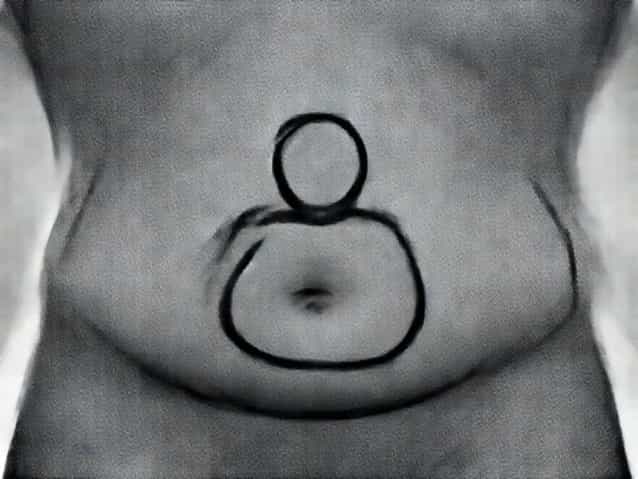
Many people experience bloating in their midsection at some point, and it can be both uncomfortable and frustrating. Bloating occurs when your stomach feels full and tight, often due to excess gas, fluid retention, or digestive issues. While occasional bloating is common and usually harmless, persistent or severe bloating may indicate underlying health concerns. Understanding why your midsection is bloated involves examining dietary habits, lifestyle factors, digestive health, and potential medical conditions. By identifying the causes, you can take steps to reduce bloating and improve overall comfort.
Common Dietary Causes
What you eat and drink plays a significant role in bloating. Certain foods and beverages are known to increase gas production or cause water retention, leading to a distended midsection.
High-Sodium Foods
Consuming foods high in sodium can cause your body to retain water, leading to bloating and puffiness around the stomach. Processed foods, fast foods, and salty snacks are common culprits. Reducing salt intake and drinking plenty of water can help minimize water retention and improve midsection comfort.
Gas-Producing Foods
Foods that are difficult to digest or produce excess gas can contribute to bloating. Examples include beans, lentils, broccoli, cabbage, onions, and carbonated beverages. These foods contain complex carbohydrates or fermentable sugars that are broken down in the intestines, producing gas as a byproduct. Moderating intake or gradually introducing these foods can reduce bloating.
Food Intolerances
Lactose intolerance, gluten sensitivity, and other food intolerances can cause significant bloating. When your body cannot properly digest certain components of food, it leads to fermentation in the gut, gas production, and swelling of the stomach. Identifying intolerances through dietary tracking or testing can help alleviate midsection bloating.
Digestive Health Factors
Digestive issues are a major contributor to bloating. How your gastrointestinal system processes food affects the amount of gas and stool in your intestines, impacting the size and feel of your midsection.
Constipation
When stool moves slowly through the intestines, it can lead to a buildup of gas and bloating. Constipation may result from low fiber intake, dehydration, sedentary lifestyle, or certain medications. Increasing fiber, drinking water, and staying active can help maintain regular bowel movements and reduce bloating.
Irritable Bowel Syndrome (IBS)
IBS is a chronic condition that affects the large intestine and often causes bloating, abdominal pain, and changes in bowel habits. Individuals with IBS may notice bloating after consuming specific trigger foods or during periods of stress. Managing diet, stress, and medical treatment can significantly reduce IBS-related bloating.
Small Intestinal Bacterial Overgrowth (SIBO)
SIBO occurs when excess bacteria grow in the small intestine, leading to fermentation of food and gas production. This condition can cause persistent bloating, discomfort, and other digestive symptoms. Medical evaluation and targeted treatment are necessary to address SIBO effectively.
Lifestyle and Habits
Your daily habits can also influence bloating. Even healthy diets and good digestion can be affected by certain behaviors.
Eating Too Quickly
When you eat quickly, you may swallow excess air, which accumulates in the stomach and intestines, causing bloating. Eating slowly, chewing thoroughly, and avoiding talking while eating can reduce the amount of swallowed air and improve digestion.
Carbonated Beverages
Drinks like soda, sparkling water, and beer contain carbon dioxide, which can lead to gas buildup in the digestive tract. Limiting carbonated drinks can help prevent midsection bloating.
Physical Inactivity
Lack of exercise can slow digestion and contribute to constipation, both of which can cause bloating. Regular physical activity helps stimulate bowel movements and promotes overall digestive health, reducing bloating over time.
Hormonal Factors
Hormones can play a significant role in bloating, particularly for women. Fluctuations in estrogen and progesterone throughout the menstrual cycle can lead to water retention and digestive changes, often resulting in temporary bloating around the midsection.
Menstrual Cycle
Many women experience bloating in the days leading up to menstruation due to hormonal shifts that increase water retention and slow digestion. This type of bloating usually resolves after the menstrual period begins or ends.
Pregnancy and Hormonal Changes
During pregnancy, hormonal changes slow digestion and increase water retention, often causing bloating and abdominal distension. Hormonal imbalances outside of pregnancy can also affect digestion and fluid balance, contributing to a bloated midsection.
Medical Conditions
In some cases, persistent or severe bloating may indicate underlying medical conditions that require attention.
Gastrointestinal Disorders
Conditions such as celiac disease, inflammatory bowel disease, and gastroparesis can lead to chronic bloating. These disorders affect digestion, nutrient absorption, and gut motility, contributing to discomfort in the midsection.
Fluid Retention and Organ Issues
Fluid accumulation in the abdominal cavity, often associated with liver, kidney, or heart problems, can cause significant bloating. This type of bloating is usually accompanied by other symptoms such as swelling in the legs, fatigue, or jaundice and requires medical evaluation.
Food Allergies and Sensitivities
Severe food allergies or sensitivities can lead to gastrointestinal reactions, including bloating, cramping, and diarrhea. Identifying and avoiding trigger foods is essential for managing these symptoms and maintaining digestive health.
Tips to Reduce Midsection Bloating
While occasional bloating is normal, there are steps you can take to minimize discomfort and reduce the likelihood of a bloated midsection.
- Eat smaller, more frequent meals and chew food thoroughly.
- Limit intake of high-sodium, gas-producing, or carbonated foods and drinks.
- Stay hydrated and increase fiber intake to support regular bowel movements.
- Engage in regular physical activity to improve digestion and reduce constipation.
- Identify and avoid foods that trigger bloating, including potential allergens or intolerances.
- Manage stress through relaxation techniques, as stress can affect digestion and exacerbate bloating.
Midsection bloating can result from a variety of factors, including diet, digestive health, lifestyle habits, hormonal changes, and underlying medical conditions. While occasional bloating is normal, persistent or severe bloating may require medical evaluation to rule out gastrointestinal disorders or other health issues. By identifying the specific causes of bloating and implementing strategies such as dietary adjustments, lifestyle changes, and stress management, you can reduce discomfort and maintain a healthier, more comfortable midsection. Understanding the reasons behind bloating empowers you to take proactive steps for better digestive health and overall well-being.