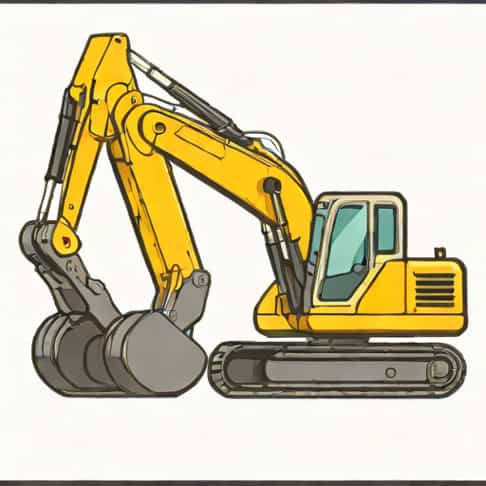
An excavator is a powerful construction machine widely used in various industries, including construction, mining, landscaping, and infrastructure development. It is designed to dig, lift, and move large amounts of earth, rocks, and debris efficiently, making it an essential tool for modern construction projects. Excavators come in a range of sizes and configurations, from compact models suitable for small urban projects to massive machines capable of handling heavy mining operations. Understanding the meaning of excavator, its components, functions, types, and applications helps individuals, students, and professionals appreciate its role in shaping the built environment and supporting large-scale engineering projects.
Definition of Excavator
An excavator is a heavy-duty machine equipped with a boom, stick, bucket, and rotating platform that allows for precise digging and material handling. It is operated by a skilled operator and is capable of performing tasks that would otherwise require significant manual labor. The term excavator comes from the Latin word excavare, which means to hollow out or to dig, reflecting the machine’s primary purpose. Excavators are versatile machines used not only for digging trenches and foundations but also for demolition, grading, and material lifting.
Components of an Excavator
Excavators consist of several key components that enable them to perform their functions efficiently
- CabThe operator’s station, providing controls, visibility, and comfort for the operator.
- BoomThe long arm attached to the cab, which provides reach and lifting capability.
- Stick (or Dipper Arm)Connected to the boom, it extends and retracts to position the bucket for digging or lifting.
- BucketThe tool at the end of the stick used for digging, scooping, and moving materials.
- Rotating Platform (House)Allows the cab and arm to rotate 360 degrees for flexibility in operations.
- UndercarriageThe base of the machine, equipped with tracks or wheels for stability and mobility.
- Hydraulic SystemPowers the movement of the boom, stick, bucket, and other attachments.
Types of Excavators
Excavators are categorized based on their size, mobility, and specific applications. Common types include
- Crawler ExcavatorsEquipped with tracks, these machines are stable on rough terrain and suitable for heavy-duty projects.
- Wheel ExcavatorsEquipped with wheels instead of tracks, they are faster and more suitable for urban or paved environments.
- Mini ExcavatorsCompact and versatile, ideal for small-scale construction, landscaping, and confined spaces.
- Long-Reach ExcavatorsFeature extended booms and sticks for deep or distant digging, often used in river dredging or large construction sites.
- Demolition ExcavatorsEquipped with specialized attachments like hydraulic breakers or shears to demolish structures efficiently.
- Amphibious ExcavatorsDesigned to work in wetlands or shallow water, featuring pontoons or floats for buoyancy.
Functions and Uses of Excavators
Excavators are highly versatile machines with a wide range of applications across industries
- DiggingExcavators are primarily used to dig trenches, foundations, and holes for construction projects.
- Material HandlingThey can lift, move, and place heavy materials such as soil, gravel, rocks, and debris.
- DemolitionExcavators equipped with specialized attachments can demolish buildings and other structures safely and efficiently.
- MiningLarge excavators are used to remove overburden, extract minerals, and load materials onto trucks in mining operations.
- LandscapingExcavators assist in grading, leveling, and shaping land for parks, gardens, and urban developments.
- DredgingSpecialized excavators can remove sediments from rivers, lakes, or harbors to maintain waterway navigation and prevent flooding.
Advantages of Using Excavators
Excavators offer several benefits that make them indispensable in construction and industrial projects
- EfficiencyExcavators can perform tasks quickly and accurately, reducing labor costs and project timelines.
- VersatilityWith various attachments, excavators can handle multiple tasks, including digging, lifting, demolition, and grading.
- PrecisionSkilled operators can execute precise digging and material placement, ensuring high-quality results.
- SafetyExcavators reduce the need for manual labor in hazardous environments, minimizing the risk of injury.
- AdaptabilityAvailable in different sizes and types, excavators can operate in diverse terrains and project scales.
Maintenance and Safety Considerations
Proper maintenance and safety protocols are crucial for efficient and safe operation of excavators
- Regular InspectionsCheck hydraulic systems, tracks, and attachments for wear and damage.
- Operator TrainingSkilled operators should be trained to handle excavators safely and efficiently.
- Site SafetyEnsure the work area is clear of obstacles, and maintain safe distances from other workers and machinery.
- Preventive MaintenanceLubricate moving parts, replace worn components, and monitor fluid levels to prevent breakdowns.
Excavators in Modern Construction
Excavators play a critical role in modern construction, enabling large-scale infrastructure development such as highways, bridges, tunnels, and buildings. Their ability to handle heavy loads, reach difficult areas, and operate in various environments makes them indispensable in urban and rural projects alike. In addition, advancements in technology have led to the development of hydraulic systems, GPS-guided controls, and automation, further enhancing the efficiency, precision, and safety of excavators.
An excavator is a versatile, powerful, and essential machine in construction, mining, landscaping, and infrastructure projects. Its primary function is to dig, lift, and move materials efficiently, but it can also perform demolition, grading, dredging, and other specialized tasks. With components such as the cab, boom, stick, bucket, and hydraulic system, excavators offer precision and adaptability for projects of all scales. Understanding the meaning, types, uses, advantages, and safety considerations of excavators provides insight into their critical role in shaping the built environment. From small urban projects to large mining operations, excavators continue to be a cornerstone of modern construction, combining power, efficiency, and technological innovation to meet the demands of complex engineering projects.