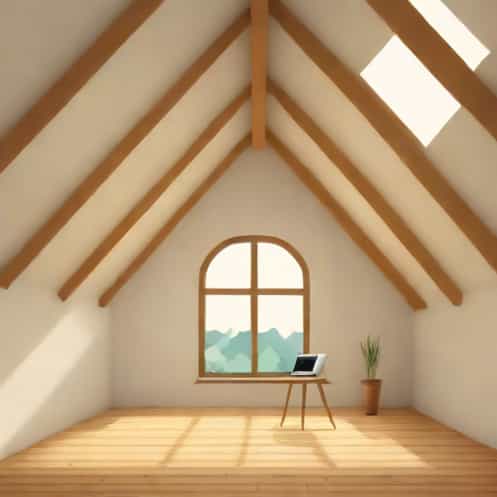
Loft spaces under a slanted roof often appear awkward or underutilized, but with careful planning and creative thinking, they can become some of the most functional and aesthetically pleasing areas in a home. These spaces, often overlooked, offer opportunities for storage, workspaces, or even cozy living areas. Learning how to utilise loft space under a slanted roof can transform an unused attic into a valuable and stylish part of your home.
Assessing the Loft Space
Before any design or renovation, it is essential to assess the loft space. Understanding the dimensions, roof angles, and existing structures such as beams and insulation will determine what is possible. A slanted roof presents unique challenges but also adds character to the space. Measurement is key, as certain areas may have limited headroom, affecting furniture placement and usability.
Measuring Headroom and Floor Area
Headroom is a crucial factor when utilising a slanted loft space. Ideally, the central part of the loft under the highest point of the roof should allow for standing height. Areas closer to the eaves, where the roof slopes down, can still be useful for storage or low furniture. Mapping out the usable floor area helps in planning the layout effectively.
Maximizing Storage Potential
One of the most practical uses of a loft space with a slanted roof is storage. Custom-built cabinets and shelves can fit perfectly under the slope, making the most of otherwise wasted areas. Considerations for storage include accessibility, safety, and the types of items to store.
Built-In Storage Solutions
- Custom wardrobes and cabinets that follow the roof slope.
- Low shelves or drawers for books, toys, or seasonal items.
- Storage benches that combine seating with hidden compartments.
These solutions not only maximize storage but also enhance the aesthetics of the loft. Cleverly designed units make the slanted roof a feature rather than a limitation.
Creating a Functional Workspace
A loft under a slanted roof can serve as a home office or creative studio. Positioning a desk or workstation under the higher side of the roof ensures comfortable headroom and natural light from any windows. Good lighting is essential, particularly if the loft lacks sufficient daylight.
Office and Studio Design Tips
- Use compact furniture to avoid crowding the space.
- Incorporate vertical storage like pegboards or wall-mounted shelves.
- Consider skylights or roof windows to increase light and ventilation.
Optimising the loft as a workspace allows homeowners to enjoy a quiet and private area away from the main living rooms, enhancing productivity and creativity.
Designing a Cozy Living Area
Lofts with slanted roofs have inherent charm and can become inviting living spaces. With the right furniture and decoration, they can function as reading nooks, mini lounges, or guest bedrooms. Low-profile furniture is ideal to accommodate the roof’s slope without making the space feel cramped.
Furnishing Ideas
- Bean bags, floor cushions, or low sofas for comfort.
- Daybeds or trundle beds for guests.
- Rugs and soft furnishings to create warmth and texture.
Decorating a loft area with cozy textiles, warm lighting, and personal touches can transform an unused attic into a welcoming retreat.
Enhancing Lighting and Ventilation
Natural light can be limited in slanted roof lofts, making artificial lighting and ventilation critical. Skylights, roof windows, or dormers can introduce daylight, while well-placed lamps and LED strips brighten darker corners. Proper ventilation ensures the space remains comfortable year-round.
Lighting Strategies
- Recessed lighting along the ceiling slope.
- Task lighting for desks or work areas.
- Decorative lighting for ambiance in living spaces.
Ventilation Tips
- Install roof vents to improve airflow.
- Use portable fans if needed to circulate air.
- Consider insulation and humidity control to prevent dampness.
Utilising Loft Space for Children or Play Areas
A loft with a slanted roof can be an exciting play area for children. With safety considerations in mind, such as soft flooring and barriers along low edges, the space can provide a fun and imaginative environment. Low furniture and storage bins for toys make the loft both playful and organized.
Child-Friendly Design Ideas
- Padded flooring or rugs to prevent injuries.
- Low shelving for easy access to toys and books.
- Creative decor such as murals or themed furniture.
Considerations for Renovation and Structural Changes
Transforming a loft space may require structural adjustments, especially in older homes. Reinforcing floors, checking roof integrity, and ensuring proper insulation are vital. Consulting with professionals can help ensure that modifications are safe and meet building regulations.
Key Renovation Tips
- Check weight limits before adding heavy furniture or storage.
- Ensure electrical wiring and heating systems are compliant and safe.
- Maintain roof structure while maximizing usable space.
Utilising loft space under a slanted roof requires creativity, planning, and attention to detail. From storage and home offices to cozy lounges and play areas, these often-overlooked spaces can become highly functional and appealing parts of a home. By measuring carefully, considering headroom, and incorporating custom furniture and lighting, homeowners can transform a slanted roof loft into a valuable and versatile space. Whether for work, relaxation, or storage, a well-planned loft maximizes the potential of every square foot while embracing the unique architectural character of the slanted roof.