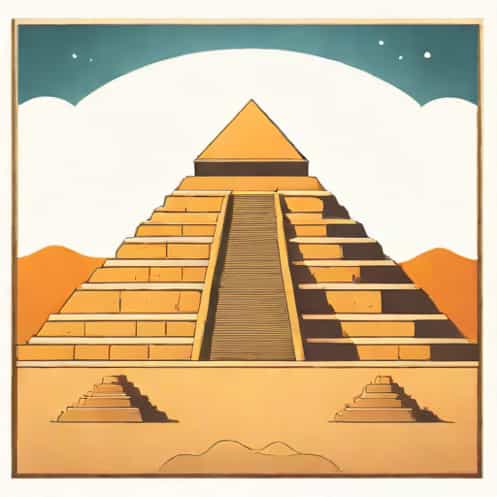
The Pirámide de la Luna, located in the ancient city of Teotihuacan, is one of the most iconic and historically significant structures in Mexico. Positioned at the northern end of the Avenue of the Dead, this pyramid has fascinated archaeologists, historians, and tourists for decades. It is smaller than the nearby Pyramid of the Sun but holds tremendous cultural and ceremonial importance. The structure was central to the religious and social life of Teotihuacan, serving as a site for rituals, offerings, and astronomical observations. Visiting the Pirámide de la Luna offers insight into the sophisticated urban planning and spiritual practices of one of Mesoamerica’s most influential civilizations.
Historical Significance of the Pirámide de la Luna
Constructed around 200 CE, the Pirámide de la Luna reflects the grandeur of Teotihuacan during its peak. The city itself was one of the largest urban centers in the pre-Columbian Americas, home to tens of thousands of inhabitants. The pyramid was dedicated to the Great Goddess of Teotihuacan, a deity associated with water, fertility, the earth, and creation. Scholars believe that ceremonies held at the Pirámide de la Luna included offerings of animals, human sacrifices, and artifacts meant to honor the gods and ensure the prosperity of the city.
Architectural Features
The Pirámide de la Luna is characterized by its stepped design, which is typical of Mesoamerican pyramids. The pyramid rises to a height of approximately 43 meters and consists of multiple platforms, each creating a broad terrace. This design not only facilitated ceremonial activities but also allowed the structure to be a prominent visual landmark, visible from various points within Teotihuacan. The steps are wide and gently sloping, making it easier for priests and participants to ascend during rituals.
- OrientationThe pyramid is aligned with the Avenue of the Dead and the surrounding mountains, reflecting the Teotihuacanos’ astronomical knowledge and their integration of natural landscapes into urban planning.
- TerracesMultiple terraces provide space for ceremonies and offer panoramic views of the city, allowing rulers and priests to observe and participate in public events.
- Construction MaterialsThe pyramid was built using volcanic stone, adobe, and lime plaster, demonstrating the advanced engineering skills of its builders.
Ceremonial and Religious Importance
The Pirámide de la Luna played a central role in religious life in Teotihuacan. Archaeological excavations have revealed numerous offerings buried beneath and around the pyramid, including ceramics, obsidian tools, and the remains of sacrificed humans and animals. These findings indicate that the site was used for significant ritualistic purposes, likely involving both the elite and the common populace. The offerings were intended to appease the gods, secure fertility, and ensure the city’s protection.
Connection to the Pyramid of the Sun
The Pirámide de la Luna is strategically located at the end of the Avenue of the Dead, facing the larger Pyramid of the Sun. This positioning suggests a symbolic and ceremonial link between the two structures. Some researchers believe that the Pyramid of the Sun represented a male deity, while the Pyramid of the Moon symbolized a female counterpart, embodying duality and balance in Teotihuacan’s cosmology. Together, these pyramids formed a sacred axis, emphasizing the integration of religion and city planning.
Archaeological Discoveries
Excavations at the Pirámide de la Luna have provided valuable insights into Teotihuacan culture. Archaeologists have uncovered remains of tombs, ritual platforms, and caches of ceremonial objects. Some notable discoveries include
- Burials of high-ranking individuals and warriors, suggesting the pyramid’s connection to power and authority.
- Offerings of jaguar bones, masks, and figurines, indicating the spiritual and symbolic significance of animals in rituals.
- Ceramic vessels and obsidian knives, used for both practical and ceremonial purposes.
These findings highlight the importance of the Pirámide de la Luna not just as a monument, but as a hub of religious, political, and social activities in Teotihuacan.
Visiting the Pirámide de la Luna Today
Modern visitors can climb the Pirámide de la Luna, experiencing both the physical challenge and the historical ambiance of the site. From the top, one can enjoy breathtaking views of the Avenue of the Dead, the Pyramid of the Sun, and the surrounding valley. The site is accessible from the main entrance of the Teotihuacan archaeological complex, and guided tours provide context and explanations about the pyramid’s history, construction, and cultural significance.
Tips for Visitors
- Wear comfortable shoes suitable for climbing steep steps.
- Bring water and sun protection, as the climb can be strenuous and the sun intense.
- Visit early in the morning to avoid crowds and heat.
- Consider hiring a local guide for detailed historical insights and stories about the pyramid.
The Pirámide de la Luna at Teotihuacan is more than a remarkable architectural achievement; it is a window into the spiritual, political, and cultural life of one of Mesoamerica’s most influential civilizations. Its strategic location, ceremonial importance, and architectural sophistication make it a must-see for anyone interested in ancient history and archaeology. By exploring the pyramid and understanding its context, visitors can appreciate the ingenuity and spirituality of the Teotihuacanos, whose legacy continues to captivate and inspire people around the world.