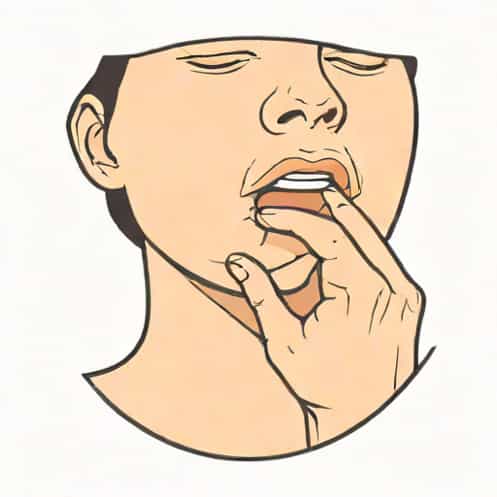
Experiencing over salivation along with a sore throat can be confusing and uncomfortable. Many people may dismiss it as a minor issue, but when excess saliva production combines with throat irritation, it can indicate underlying health concerns. Whether it is due to infections, acid reflux, allergies, or oral health problems, understanding the causes and finding effective solutions is important. This topic often raises questions, especially because over salivation and a sore throat may appear together unexpectedly, affecting daily comfort, eating habits, and even sleep quality.
Understanding Over Salivation
Over salivation, also known as hypersalivation or sialorrhea, refers to producing more saliva than the body requires. While saliva is essential for digestion, lubrication, and oral hygiene, an excessive amount can cause drooling, swallowing difficulties, and discomfort. In many cases, it becomes more noticeable when paired with symptoms like a sore throat, because swallowing frequently may irritate the throat even further.
Common Causes of Over Salivation
- Oral infections– Gum disease, cavities, or mouth ulcers can trigger excess saliva production.
- Acid reflux– Stomach acid entering the esophagus stimulates the body to produce more saliva to neutralize the acid.
- Medications– Some prescriptions, particularly those for neurological conditions, may cause hypersalivation as a side effect.
- Pregnancy– Hormonal changes can lead to excessive saliva in some women.
- Nausea– Conditions causing nausea often increase saliva production as part of the body’s natural response.
Why Over Salivation May Occur with Sore Throat
The link between hypersalivation and sore throat is often tied to the body’s defense mechanisms. When the throat is irritated, whether due to infection, inflammation, or reflux, the body sometimes produces more saliva to help soothe and flush the area. However, swallowing this excess saliva repeatedly can worsen the irritation, creating a cycle of discomfort.
Possible Explanations
- Infections such as strep throat– These cause throat pain and inflammation, often stimulating increased saliva.
- Post-nasal drip– Mucus draining into the throat may cause irritation, prompting more saliva production.
- Gastroesophageal reflux disease (GERD)– Acid reflux can burn the throat, making the body generate more saliva to protect it.
- Allergic reactions– Allergies sometimes cause both throat irritation and hypersalivation simultaneously.
Symptoms Associated with Over Salivation and Sore Throat
When both conditions appear together, the symptoms may overlap or intensify. Common experiences include
- Frequent swallowing or difficulty swallowing
- Burning sensation in the throat
- Excess drooling or pooling of saliva in the mouth
- Hoarseness or change in voice
- Bad breath due to excess bacteria in the moist environment
- Coughing or gagging from excess fluid
When to Worry About Over Salivation and Sore Throat
While these symptoms may resolve on their own in mild cases, certain signs indicate a need for medical attention
- Persistent sore throat lasting more than one week
- Severe difficulty swallowing food or liquids
- Accompanied fever or swollen lymph nodes
- Sudden onset of hypersalivation without a clear cause
- Signs of infection such as pus on tonsils or white patches in the mouth
Managing Over Salivation and Sore Throat at Home
For mild cases, lifestyle adjustments and home remedies may provide relief. Some effective strategies include
- Hydration– Drinking enough water helps thin saliva and soothe throat irritation.
- Gargling with salt water– This can reduce throat inflammation and help maintain oral hygiene.
- Chewing sugar-free gum– It can regulate saliva flow and reduce pooling in the mouth.
- Avoiding irritants– Stay away from spicy foods, alcohol, and smoking, as they can worsen symptoms.
- Sleeping elevated– Using an extra pillow can prevent reflux at night, which may reduce both sore throat and excess saliva.
Medical Treatments for Persistent Symptoms
If over salivation and sore throat do not improve, medical treatment may be required. Doctors typically address the underlying cause
- Antibiotics– Used if bacterial infection like strep throat is confirmed.
- Antacids or proton pump inhibitors– Help manage acid reflux-related saliva production.
- Antihistamines– Useful for allergy-related symptoms.
- Botox injections– In severe hypersalivation cases, injections into salivary glands can reduce production.
- Surgery– Very rarely, removal or alteration of salivary glands may be considered for chronic cases.
Prevention Tips
Although not all cases can be prevented, adopting healthy habits can minimize risks
- Maintain good oral hygiene to prevent infections.
- Limit caffeine, spicy foods, and acidic meals to reduce reflux risk.
- Practice stress management, as anxiety can increase saliva production.
- Schedule regular dental checkups for early detection of oral problems.
- Stay hydrated to keep throat tissues moist and reduce irritation.
Lifestyle Adjustments for Better Comfort
Living with hypersalivation and sore throat can disrupt daily life, but small adjustments help. Using throat lozenges, avoiding lying down immediately after meals, and keeping a balanced diet that supports digestive health all contribute to symptom control. Managing allergies with proper medications and limiting exposure to triggers like dust and pollen can also make a significant difference.
Over salivation and sore throat occurring together should not be ignored, as they can signal underlying health conditions ranging from minor irritations to more serious infections or reflux disease. While mild cases often improve with simple home remedies and lifestyle changes, persistent or severe symptoms require medical evaluation. By understanding the causes, symptoms, and treatment options, individuals can take proactive steps toward relief and overall well-being.