The phrase Don’t Fear the Reaper has captured the curiosity of listeners and readers for decades, largely due to its use in music and pop culture. It evokes thoughts about mortality, life, and the inevitability of death, while simultaneously encouraging courage and acceptance. For many, the phrase might seem dark or intimidating at first, but it carries a deeper philosophical meaning about how humans confront the concept of death. Understanding this phrase requires exploring its literal sense, symbolic significance, cultural context, and interpretations in art, particularly in music, literature, and philosophy.
Literal Meaning of Don’t Fear the Reaper
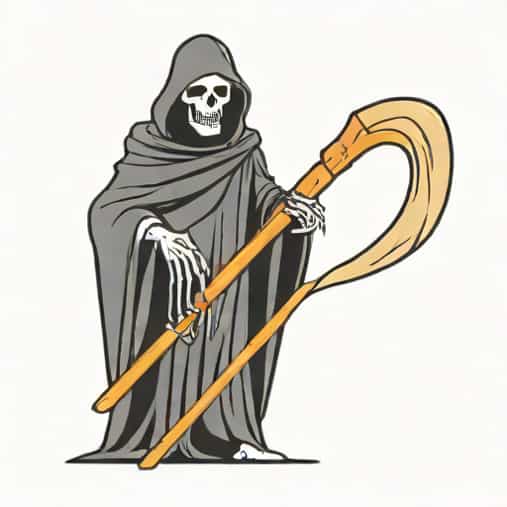
Literally, the phrase refers to the Grim Reaper, a personification of death often depicted as a cloaked figure carrying a scythe. To fear the Reaper would mean to be afraid of death itself. Therefore, Don’t Fear the Reaper is a direct instruction to avoid being afraid of the natural and inevitable process of dying. It suggests a mindset of acceptance, urging individuals to understand that death is a part of life rather than something to dread or resist.
The Grim Reaper as a Symbol
The Grim Reaper has been a powerful symbol in Western culture for centuries. Representing the end of life, the Reaper reminds people of the transient nature of existence. By telling someone not to fear this figure, the phrase challenges the instinctive human fear of the unknown and the finality of life. It also reflects a deeper philosophical and spiritual approach that emphasizes acceptance rather than anxiety.
Figurative and Philosophical Interpretations
Beyond the literal sense, Don’t Fear the Reaper carries symbolic and philosophical meaning. It is often interpreted as advice to live life fully, acknowledging that death is inevitable and part of the natural cycle. By not fearing death, individuals can focus on experiencing life more fully, nurturing relationships, and pursuing meaningful goals without being paralyzed by mortality.
Acceptance of Mortality
Many philosophers, including existentialists, emphasize the importance of accepting mortality. Recognizing that death is unavoidable can lead to a more authentic and meaningful life. In this sense, the phrase encourages a healthy attitude toward mortality, one where fear is replaced by understanding and awareness. Acceptance allows people to make conscious choices about how they live, rather than letting fear dominate their decisions.
Living Without Regret
Another interpretation of Don’t Fear the Reaper is the encouragement to live without regret. Fear of death often leads people to avoid risks, delay ambitions, or suppress desires. By embracing the idea that death is a natural conclusion to life, individuals may feel empowered to pursue what truly matters. It becomes a reminder that life is finite, and therefore each moment is precious.
Cultural and Musical Context
The phrase gained widespread recognition from the 1976 song (Don’t Fear) The Reaper by the band Blue Öyster Cult. In the song, the phrase is repeated in a haunting melody that addresses themes of love, death, and immortality. The lyrics combine a calm acceptance of death with a reflection on love that transcends mortality. The song became iconic not only for its musical style but also for the philosophical questions it raised about life and death.
Impact on Popular Culture
Since the release of the song, Don’t Fear the Reaper has appeared in movies, television shows, and literature, often invoking suspense, reflection, or existential thought. The phrase has been used to prompt audiences to consider their own mortality, highlighting the universality of death as a shared human experience. Its cultural impact lies in the way it balances a sense of foreboding with reassurance, encouraging reflection rather than fear.
Psychological Perspective
From a psychological viewpoint, the phrase can be understood as a tool for coping with death anxiety. Fear of death is a common human experience, often influencing behavior, decision-making, and emotional well-being. By consciously adopting the mindset suggested by Don’t Fear the Reaper, individuals can reduce anxiety related to mortality. It encourages facing one’s fears directly, which is a principle commonly used in therapeutic practices for managing existential concerns.
Reducing Death Anxiety
When people are not overwhelmed by fear of death, they can focus on more constructive aspects of life. This includes building strong relationships, pursuing passions, and contributing to the community. The phrase reminds us that death is a natural part of existence and should not dominate our thoughts or prevent us from experiencing joy.
Embracing Life Fully
By removing the paralyzing fear of death, individuals can embrace life with a sense of urgency and appreciation. Philosophers like Epicurus and modern psychologists argue that contemplating mortality can enhance the quality of life by encouraging mindfulness, gratitude, and active engagement with the world.
Applications in Everyday Life
Don’t Fear the Reaper is not just a poetic or musical phrase; it has practical applications in daily life. It serves as a reminder to prioritize what matters most, avoid procrastination, and take courageous steps toward personal growth. The underlying message is simple yet profound death is inevitable, but how we live our lives in the meantime is within our control.
Practical Tips Inspired by the Phrase
- Reflect regularly on what is truly important in life and focus energy on those priorities.
- Accept that death is natural and beyond personal control, reducing unnecessary fear and stress.
- Take meaningful risks, pursue dreams, and embrace opportunities without fear of failure.
- Develop mindfulness practices to appreciate the present moment and the people around you.
The phrase Don’t Fear the Reaper encapsulates a powerful message about life, death, and the human experience. It urges people to confront the inevitability of death without fear, encouraging acceptance, reflection, and purposeful living. By understanding its literal, symbolic, cultural, and psychological meanings, individuals can appreciate its depth and apply it to their own lives. Whether encountered in music, literature, or philosophical discussions, Don’t Fear the Reaper serves as a timeless reminder to live fully, love deeply, and face mortality with courage and composure.