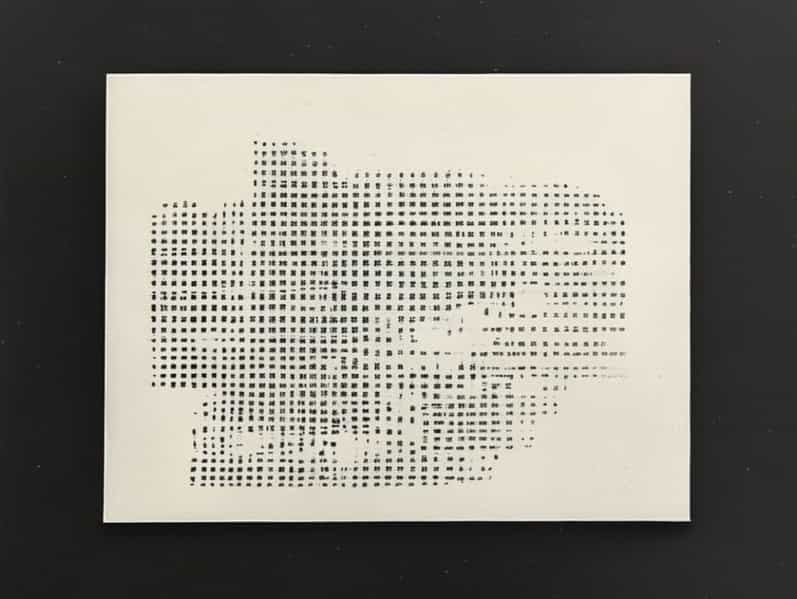
In the world of printmaking, understanding the concept of a matrix is essential for anyone looking to explore or appreciate this artistic medium. A matrix is the foundation of printmaking, the surface or object onto which an image is created before it is transferred onto paper or another material. Whether working with etching, woodcut, lithography, or other printmaking techniques, the matrix plays a central role in the process, affecting both the quality and character of the final print. Learning what a matrix is and how it functions provides insight into the artistry and technical skill required in printmaking, as well as the creative possibilities it opens for artists.
Definition of a Matrix in Printmaking
In printmaking, a matrix is the original surface or template used to produce prints. This surface holds the design or image that will be reproduced multiple times. Unlike a one-off painting or drawing, a matrix allows for the creation of numerous copies, each one considered an original print rather than a mere copy. The matrix can take many forms depending on the printmaking technique. For example, in woodcut, the matrix is a carved wooden block, while in etching, it is a metal plate coated with a resistant ground. The choice of matrix material and method of preparation significantly influences the final appearance of the print.
Types of Matrices
Different printmaking techniques use different types of matrices, each with its own characteristics and advantages. Common types of matrices include
- WoodUsed in woodcut and wood engraving. Artists carve into the wood to create the image, and the raised areas transfer ink to paper.
- MetalTypically used in etching, engraving, and mezzotint. Metal plates can hold fine lines and detailed textures, allowing for intricate designs.
- StoneUsed in lithography. The artist draws on a limestone or metal plate with a greasy medium, relying on chemical processes to transfer the image.
- LinoleumUsed in linocut. Linoleum is softer than wood, making it easier to carve and suitable for bold, graphic designs.
- ScreenUsed in screen printing (serigraphy). A stencil is created on a fine mesh screen, and ink is forced through the screen onto the substrate.
The Role of the Matrix in Printmaking
The matrix is more than just a tool; it is an integral part of the artistic process. It determines the level of detail, texture, and overall character of the print. In many cases, the matrix itself is considered a work of art because the preparation and manipulation of the surface require skill and creativity. The process of creating a matrix involves careful planning and technique, whether it’s carving, etching, drawing, or preparing a stencil. Artists must understand how their chosen matrix will interact with ink, pressure, and paper to achieve the desired effect.
How a Matrix Works
The matrix functions as the intermediary between the artist’s design and the final print. The general process involves
- Creating or preparing the matrix by carving, drawing, or coating it with appropriate materials.
- Applying ink or another printing medium to the matrix, ensuring it reaches only the intended areas.
- Transferring the inked image from the matrix onto paper or another surface, often using a press or manual pressure.
- Repeating the process to create multiple prints, each considered an original because it comes directly from the matrix.
This process highlights the matrix’s centrality in printmaking, as the quality of the matrix directly affects the clarity, texture, and expression of the prints.
Durability and Reusability of Matrices
One of the key advantages of a matrix is its durability and reusability. A well-prepared matrix can produce numerous prints, sometimes hundreds or even thousands, depending on the material and technique. For example, metal plates used in etching can last for many impressions before showing wear, while woodblocks can be used repeatedly if cared for properly. This reusability allows artists to create editions of their work, giving collectors access to multiple copies while maintaining the value and originality of each print. The concept of editions also highlights the importance of the matrix in preserving the artist’s intended design over multiple reproductions.
Matrix as an Artistic Medium
The matrix itself can be a medium for artistic expression. For instance, in woodcut and linocut, the act of carving into the surface introduces unique textures and marks that cannot be replicated exactly. In etching, the way lines are incised into metal affects the depth and richness of ink in the final print. Similarly, lithography allows artists to experiment with greasy and water-based materials to create subtle tonal variations. Understanding the matrix as a medium helps appreciate the skill and intention behind each print, emphasizing that the process is as much about the creation of the matrix as it is about the final image.
Common Misunderstandings About Matrices
Many beginners in printmaking may misunderstand the concept of a matrix. Some common misconceptions include
- Believing that the matrix is a copy of the original image rather than the source from which all prints originate.
- Assuming that all prints from a matrix are identical; in reality, variations can occur due to differences in ink application, pressure, or paper texture.
- Thinking that the matrix is disposable; in fact, it is often preserved carefully because it can produce multiple high-quality prints over time.
Clarifying these misconceptions is important for understanding the value and function of the matrix in printmaking practice.
In printmaking, a matrix is the fundamental element that makes the art form possible. It is the original surface onto which the artist creates an image, which is then transferred to paper or other materials to produce multiple prints. The choice of matrix-whether wood, metal, stone, linoleum, or screen-affects the style, texture, and durability of the prints. Beyond its technical role, the matrix serves as an extension of the artist’s creative process, influencing both the final product and the method of production. Understanding what a matrix is, how it works, and how it interacts with different printmaking techniques provides essential insight into the art of printmaking and the skill required to produce high-quality prints. By appreciating the matrix, viewers and artists alike gain a deeper understanding of the craft, the artistic intention, and the technical expertise involved in every print.