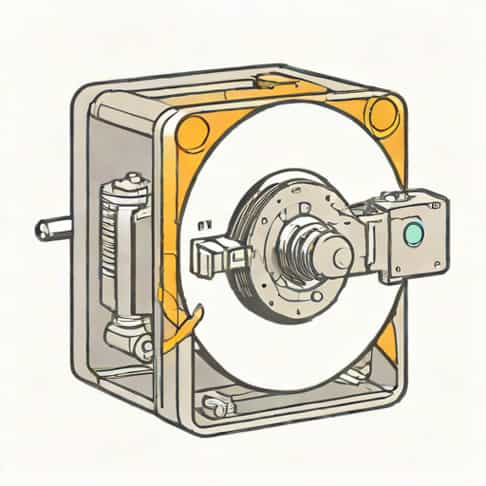
Peristaltic pumps are a type of positive displacement pump widely used in industries ranging from medical and laboratory applications to chemical processing and food manufacturing. They are known for their ability to handle a variety of fluids, including corrosive, viscous, and sterile liquids, without contamination. The pump operates on a simple yet ingenious principle that mimics natural peristalsis, the rhythmic contraction and relaxation of muscles found in the digestive tract. Understanding how a peristaltic pump works can help engineers, technicians, and hobbyists appreciate its versatility, maintenance requirements, and suitability for specific fluid-handling tasks.
Basic Principle of Operation
A peristaltic pump works by mechanically compressing and releasing a flexible tube, forcing fluid to move through it. This pumping action is created by rollers, shoes, or cams that travel along the length of the tube. As the roller compresses the tube, a vacuum is created behind it, drawing fluid into the tube. The fluid is then pushed forward as the roller moves along, eventually being expelled from the pump. This continuous squeezing and releasing motion results in a smooth, pulseless flow suitable for precise dosing and delicate applications.
Components of a Peristaltic Pump
The operation of a peristaltic pump relies on several key components
- Flexible tubingUsually made from silicone, polyurethane, or other elastic materials, the tubing is the conduit through which the fluid travels.
- Rollers or shoesThese compress the tube to create suction and push the fluid forward.
- Rotor or cam assemblyThe mechanism that rotates or moves the rollers along the tube.
- Pump housingEncases the tubing and rotor assembly to ensure stability and protect the moving parts.
Each component plays a crucial role in maintaining flow rate, preventing leaks, and ensuring accurate and reliable pumping performance.
How the Pump Moves Fluid
The movement of fluid in a peristaltic pump can be understood in stages. Initially, the roller compresses a section of the tube, creating a sealed chamber. This compression pushes the fluid ahead of the roller. As the roller moves forward, the tube behind it returns to its original shape, creating suction that draws more fluid into the tube. The continuous rotation of rollers or cam arms ensures a steady and controlled flow of liquid. This mechanism prevents the fluid from contacting moving parts, making peristaltic pumps ideal for sterile or corrosive fluids.
Flow Characteristics
Peristaltic pumps provide a consistent, repeatable flow, which can be adjusted by changing the speed of the rotor or the diameter of the tubing. The pump can deliver both low and high flow rates, depending on its design and the number of rollers used. Because the fluid only contacts the tubing, the risk of contamination is minimal, which is especially important in medical, pharmaceutical, and food applications. Additionally, peristaltic pumps can handle fluids containing solids or particulates without clogging, unlike many other types of pumps.
Advantages of Peristaltic Pumps
Peristaltic pumps offer several benefits that make them suitable for a wide range of applications
- Contamination-free operationThe fluid does not come into contact with moving mechanical parts, reducing the risk of contamination.
- Ability to handle viscous fluidsThick, slurries, and abrasive liquids can be pumped without damaging the pump.
- Self-priming capabilityThese pumps can start pumping without requiring the tube to be pre-filled with fluid.
- Reversible flowThe pump can change direction, allowing fluid to be moved both forward and backward.
- Precise dosingBy controlling the rotor speed and tube diameter, very accurate fluid volumes can be delivered.
- Easy maintenanceOnly the tubing needs regular replacement, which is quick and inexpensive.
Applications Across Industries
Peristaltic pumps are found in many fields due to their versatility and reliability. In medical settings, they are used to deliver IV fluids, dialysis solutions, and laboratory reagents with precise control. In the chemical industry, they handle aggressive or corrosive fluids that could damage other types of pumps. Food and beverage manufacturers use peristaltic pumps to transfer dairy, juice, and syrup without contamination. In water treatment plants, they are used to inject chemicals accurately. The range of applications demonstrates the pump’s adaptability and importance in both everyday and specialized processes.
Maintenance and Tube Life
The most significant maintenance concern for peristaltic pumps is the wear and tear of the tubing. Continuous compression causes the tubing to degrade over time, especially when pumping abrasive or high-temperature fluids. Regular inspection and timely replacement of tubing are essential to maintain efficiency and prevent leaks. Most manufacturers provide guidance on expected tubing life, which can vary from several hundred to several thousand operating hours depending on usage and fluid characteristics. Because the mechanical parts are separated from the fluid, maintenance is straightforward compared to other pump types.
Factors Affecting Pump Performance
Several factors influence the performance and longevity of a peristaltic pump
- Tube materialSelecting the appropriate tubing material ensures compatibility with the pumped fluid.
- Roller pressureProper compression is necessary for efficient pumping without causing premature tubing wear.
- Flow rate requirementsAdjusting rotor speed according to desired flow ensures accurate delivery and minimizes stress on the tubing.
- Fluid characteristicsAbrasive, corrosive, or high-temperature fluids may require specialized tubing and more frequent replacement.
A peristaltic pump is a reliable and versatile solution for transferring fluids in applications where contamination, precision, and durability are critical. Its operation, based on rhythmic compression of flexible tubing, mimics natural peristalsis to create smooth, controlled fluid movement. With advantages such as handling viscous or abrasive fluids, self-priming capability, reversible flow, and minimal maintenance, these pumps are widely used in medical, laboratory, chemical, and food industries. Proper selection of tubing material, regular maintenance, and understanding flow requirements ensure optimal performance. By grasping how a peristaltic pump works, users can effectively apply this technology to meet demanding fluid-handling needs in a safe and efficient manner.