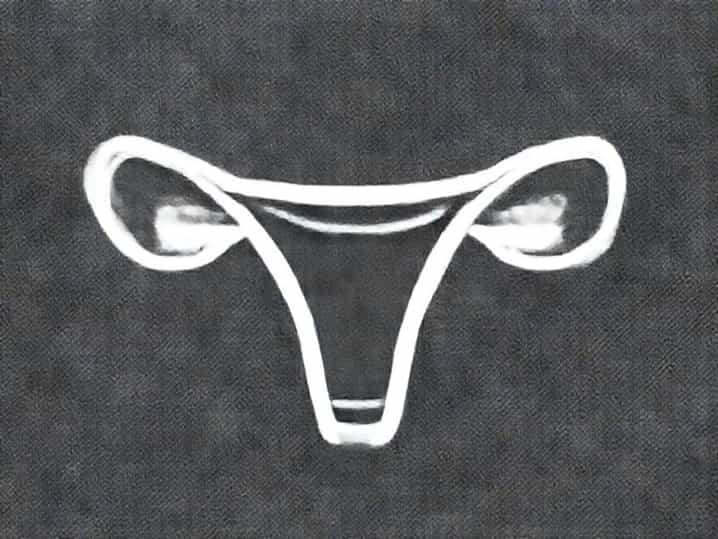
Getting fallopian tubes removed, medically known as salpingectomy, is a surgical procedure that involves the removal of one or both fallopian tubes. This procedure may be recommended for various health reasons, including reducing the risk of ovarian cancer, treating ectopic pregnancies, addressing infections, or as part of permanent birth control. Understanding the process, reasons, benefits, and risks of fallopian tube removal is essential for anyone considering this surgery. It is a significant medical decision that requires careful consultation with a healthcare provider, proper preparation, and awareness of the physical and emotional impacts.
Reasons for Fallopian Tube Removal
There are several medical and preventive reasons why a person might undergo fallopian tube removal. The procedure is not always related to fertility control, although it is sometimes performed for permanent contraception. It can also be a critical measure for managing reproductive health and reducing future health risks.
Reducing the Risk of Ovarian Cancer
One of the most common preventive reasons for removing fallopian tubes is to reduce the risk of ovarian cancer. Research has shown that some ovarian cancers may originate in the fallopian tubes. Women with a high genetic risk, such as carriers of BRCA1 or BRCA2 gene mutations, are often advised to consider salpingectomy as a preventive measure to lower their chances of developing ovarian cancer later in life.
Treatment of Ectopic Pregnancy
An ectopic pregnancy occurs when a fertilized egg implants outside the uterus, most commonly in the fallopian tube. This condition can be life-threatening if not treated promptly. In cases of recurrent ectopic pregnancies or severe tubal damage, removing the affected fallopian tube may be necessary to prevent future complications and ensure the safety of the patient.
Addressing Tubal Infections or Damage
Fallopian tubes can become blocked or damaged due to infections such as pelvic inflammatory disease (PID), endometriosis, or previous surgeries. Blocked or severely damaged tubes can cause chronic pain, inflammation, or infertility. In these cases, removal may alleviate pain, prevent further complications, and improve overall reproductive health.
Permanent Contraception
Salpingectomy is also a method of permanent birth control. By removing both fallopian tubes, it prevents eggs from traveling to the uterus, thereby eliminating the possibility of pregnancy. This option may be chosen by individuals who are certain they do not want to conceive in the future, offering a highly effective and permanent solution without the need for hormonal contraceptives.
The Surgical Procedure
Fallopian tube removal can be performed using different surgical techniques depending on the patient’s health, anatomy, and the reason for surgery. The two primary approaches are laparoscopic surgery and open surgery.
Laparoscopic Surgery
Laparoscopic surgery is minimally invasive and involves making small incisions in the abdomen. A thin, flexible tube with a camera, called a laparoscope, is inserted to guide the surgeon in removing the fallopian tubes. This method generally offers faster recovery, less pain, and minimal scarring compared to open surgery.
Open Surgery
Open surgery, or laparotomy, involves a larger incision in the abdomen. This approach may be necessary in cases of significant infection, extensive adhesions, or other complicating factors. While recovery may take longer, it allows the surgeon better access to the fallopian tubes and surrounding structures.
Preparation and Recovery
Preparation for fallopian tube removal involves medical evaluation, discussion of risks and benefits, and preoperative instructions. Patients are usually advised to fast before surgery, avoid certain medications, and arrange for post-surgical care. Recovery varies depending on the surgical method, individual health, and the complexity of the procedure.
Post-Surgery Recovery
- Immediate RecoveryPatients may experience abdominal discomfort, cramping, or bloating for several days.
- Pain ManagementPain medications and anti-inflammatory drugs are typically prescribed to manage discomfort.
- Activity RestrictionsHeavy lifting and strenuous activities should be avoided for a few weeks to allow proper healing.
- Follow-Up AppointmentsRegular check-ups ensure that healing is progressing and identify any complications early.
- Emotional RecoverySome individuals may experience emotional or psychological effects due to fertility changes, and counseling may be beneficial.
Potential Risks and Considerations
As with any surgery, salpingectomy carries risks. Understanding these risks helps patients make informed decisions and prepares them for recovery.
Possible Complications
- Infection at the surgical site or within the abdomen.
- Bleeding during or after surgery.
- Damage to surrounding organs such as the bladder, intestines, or blood vessels.
- Adhesions or scar tissue formation that could affect future surgeries or fertility.
- Emotional impact related to permanent loss of fertility if both tubes are removed.
Fertility Considerations
Removing both fallopian tubes results in permanent infertility because eggs cannot travel to the uterus. Individuals considering salpingectomy for non-medical reasons should discuss alternative options, such as tubal ligation or reversible contraception, if they might want to conceive in the future. For those who wish to preserve fertility, egg retrieval and IVF may be possible before surgery.
Benefits of Fallopian Tube Removal
Despite potential risks, there are significant benefits to removing the fallopian tubes, especially when the procedure is medically indicated. Salpingectomy can prevent serious health issues, alleviate chronic pain, and provide peace of mind for those at high risk of ovarian cancer. Additionally, it serves as a permanent and highly effective method of birth control.
Key Benefits
- Reduced risk of ovarian and tubal cancers.
- Prevention of future ectopic pregnancies.
- Alleviation of chronic pelvic pain related to damaged or infected tubes.
- Permanent contraception without the need for hormonal methods.
- Minimal recovery time when performed laparoscopically.
Consultation and Decision-Making
Deciding to have fallopian tubes removed requires thoughtful consideration and consultation with a qualified healthcare provider. Discussions should cover medical history, personal health risks, reproductive goals, and potential surgical outcomes. Patients are encouraged to ask questions about alternatives, recovery, and long-term implications to make an informed decision aligned with their health needs and personal preferences.
Questions to Ask Your Doctor
- What are the specific reasons for recommending fallopian tube removal in my case?
- What are the risks and benefits of laparoscopic versus open surgery?
- How will this surgery affect my fertility and future family planning?
- What can I expect during recovery and follow-up care?
- Are there alternatives to fallopian tube removal that might address my health concerns?
Getting fallopian tubes removed is a significant medical decision that can have lasting implications for reproductive health, cancer prevention, and overall well-being. By understanding the reasons, surgical procedures, recovery process, and potential risks, individuals can make informed choices about their healthcare. Proper preparation, consultation with a healthcare provider, and awareness of post-surgical care are essential for a safe and effective experience. For many, salpingectomy offers relief from health concerns, reduces future risks, and provides a permanent solution for contraception, highlighting the importance of careful decision-making and personalized medical guidance.