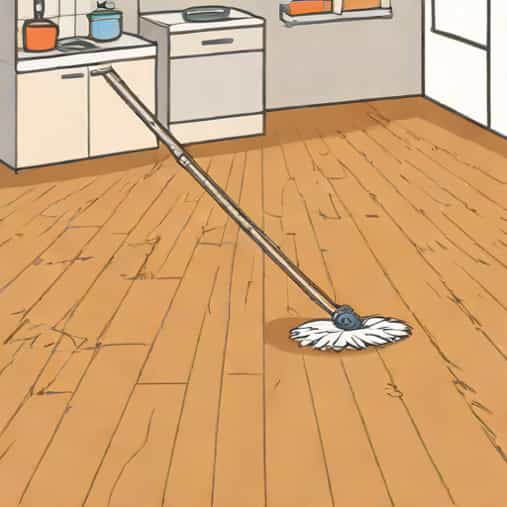
Wood floors add warmth, beauty, and value to a home, but they also raise many questions about proper care. One of the most common concerns homeowners have is whether wood floors need to be mopped at all. Some people worry that water will damage the wood, while others believe mopping is the only way to keep floors truly clean. The truth lies somewhere in between. Understanding how wood floors react to moisture and how to clean them correctly can help preserve their appearance and extend their lifespan.
Understanding Wood Floors and Moisture
Wood is a natural material, and one of its key characteristics is that it reacts to moisture. When exposed to excess water, wood can expand, warp, or stain. This is why many people are cautious about using water-based cleaning methods on wood flooring. However, avoiding moisture entirely is not realistic or necessary.
Modern wood floors are usually finished with protective coatings such as polyurethane or oil-based sealants. These finishes create a barrier that helps protect the wood from everyday spills and light moisture. While this does not make wood floors waterproof, it does mean they can tolerate careful, controlled mopping.
Do Wood Floors Need to Be Mopped?
The short answer is yes, wood floors do need to be mopped, but not in the same way as tile or vinyl floors. Sweeping or vacuuming alone removes loose dirt and dust, but it does not eliminate sticky residue, oils, or fine ptopics that build up over time. Occasional mopping helps maintain cleanliness and hygiene.
The key is how often and how wet the mop is. Wood floors benefit from gentle, damp mopping rather than soaking wet cleaning. When done correctly, mopping can enhance the appearance of the floor without causing damage.
Dry Cleaning Comes First
Sweeping and Vacuuming
Before any mopping takes place, dry cleaning should always be the first step. Dust, sand, and small debris act like sandpaper on wood surfaces, slowly wearing down the finish. Regular sweeping or vacuuming prevents scratches and keeps the floor looking smooth.
Using a soft-bristle broom or a vacuum designed for hard floors is ideal. This routine reduces the need for frequent mopping and helps protect the wood’s finish.
Why Dry Cleaning Matters
If you mop without removing loose dirt first, you risk spreading grit across the floor. This can cause tiny scratches that dull the surface over time. Dry cleaning prepares the floor for safe and effective mopping.
How to Mop Wood Floors Safely
Use a Damp Mop, Not a Wet One
The most important rule when mopping wood floors is to use minimal water. A damp mop should feel barely moist to the touch, not dripping. Excess water can seep into seams between planks and cause swelling or discoloration.
Microfiber mops are especially effective because they hold less water and clean efficiently. They also pick up dirt without requiring heavy pressure.
Choose the Right Cleaning Solution
Not all floor cleaners are safe for wood. Harsh chemicals, ammonia, or abrasive cleaners can strip the finish and damage the surface. A cleaner specifically formulated for wood floors is the safest option.
In some cases, plain water is enough for light cleaning. For tougher spots, a small amount of mild wood floor cleaner diluted according to instructions works well.
How Often Should Wood Floors Be Mopped?
The frequency of mopping depends on foot traffic, lifestyle, and environment. Homes with pets, children, or high foot traffic may need more frequent cleaning than quieter households.
- Light traffic areas mopping once a month may be sufficient
- Moderate traffic areas mopping every two to three weeks
- High traffic areas mopping once a week with a damp mop
These are general guidelines, and observing how quickly dirt builds up is the best way to determine a proper schedule.
Common Mistakes to Avoid
Using Too Much Water
One of the most common mistakes is over-wetting the floor. Standing water, even for a short time, can damage wood floors. Always wring out the mop thoroughly and wipe up any excess moisture immediately.
Steam Mopping Wood Floors
Steam mops are often advertised as safe for hard floors, but they can be risky for wood. The heat and moisture can penetrate the finish and cause long-term damage. Even sealed wood floors can be affected by repeated steam exposure.
Ignoring Spills
Leaving spills unattended can lead to stains or warped boards. While mopping is part of routine cleaning, spot cleaning spills as soon as they happen is equally important for wood floor care.
Signs Your Wood Floors Need Mopping
Sometimes it is not obvious when wood floors need more than sweeping. Certain signs indicate that a damp mop is necessary.
- The floor feels sticky or tacky underfoot
- Visible footprints or dull patches appear
- Pet odors or food residue linger
- The surface looks cloudy despite regular sweeping
When these signs appear, a gentle mopping can restore cleanliness and shine.
Different Types of Wood Floors and Mopping
Solid Hardwood Floors
Solid hardwood floors require the most caution. Because they are made entirely of wood, they are more sensitive to moisture. Damp mopping is safe when done sparingly and correctly.
Engineered Wood Floors
Engineered wood floors have a layered construction that offers slightly better resistance to moisture. However, they still need careful cleaning. Damp mopping is acceptable, but soaking should always be avoided.
Prefinished vs. Site-Finished Floors
Prefinished wood floors often have stronger factory-applied finishes, which can handle gentle mopping well. Site-finished floors may vary depending on the type of sealant used, so it is best to follow manufacturer or installer recommendations.
Maintaining Shine and Longevity
Proper mopping is not just about cleanliness; it also helps maintain the appearance of wood floors. Removing grime prevents the finish from breaking down prematurely. Combined with regular sweeping and proper humidity control, mopping supports long-term durability.
Using furniture pads, area rugs, and maintaining indoor humidity levels can further reduce wear and tear. Mopping works best as part of a complete wood floor care routine rather than a standalone solution.
Environmental Factors to Consider
Climate plays a role in how wood floors respond to cleaning. In humid environments, extra moisture from mopping can be more problematic. In dry climates, floors may be more forgiving but still require careful water control.
Adjusting mopping habits based on seasonal changes can help protect wood floors year-round.
Wood floors do need to be mopped, but only with care and the right technique. Damp mopping, combined with regular sweeping and proper cleaning products, keeps wood floors clean without causing damage. Avoiding excess water, harsh chemicals, and steam is essential. When done correctly, mopping enhances both the beauty and longevity of wood flooring. Understanding these principles allows homeowners to enjoy clean, attractive wood floors for many years.