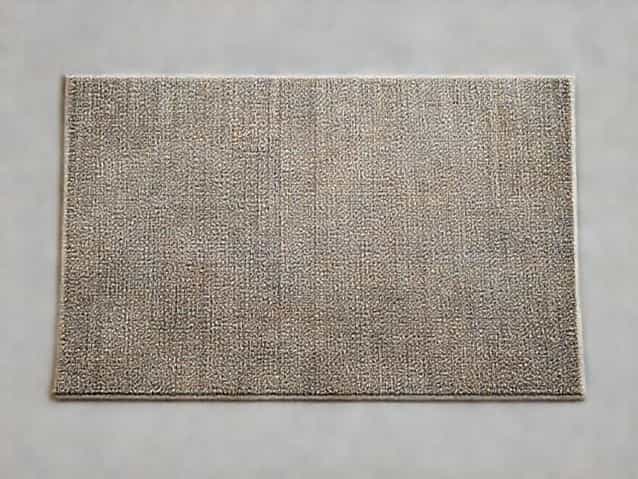
Creaky floors are a common nuisance in many homes, especially older houses or those with wooden flooring. The squeaks and groans that occur when walking across them can be annoying, disrupt daily activities, and even affect sleep if they are near bedrooms. Homeowners often wonder if there is a simple and cost-effective solution to reduce or mask these noises without undergoing major renovations. One popular suggestion is using rugs. Rugs not only add aesthetic appeal and comfort to a room, but many people believe they can also help with creaky floors. Understanding how rugs interact with flooring and whether they truly mitigate noise requires a closer look at the mechanics of floor creaks and the effectiveness of different types of rugs.
Understanding Why Floors Creak
Before exploring how rugs might help, it’s important to understand why floors creak in the first place. Floor squeaks usually occur when there is friction between wooden boards or between the boards and their subfloor. Over time, natural settling of the house, changes in humidity, and the loosening of nails or screws can exacerbate the problem. In some cases, the squeaks are localized to specific spots, while in other cases, entire sections of the floor may produce noise. Knowing the source of the creak can help determine whether a rug will effectively reduce the sound or simply mask it.
Common Causes of Creaky Floors
- Loose floorboards that shift when stepped on
- Friction between the wood and the nails or screws securing it
- Expansion and contraction of wood due to changes in humidity
- Settling of the house or foundation shifts over time
How Rugs Can Help With Creaky Floors
Rugs can be a helpful solution for reducing the perception of floor creaks, though they may not eliminate the problem entirely. Essentially, rugs act as a buffer between your foot and the floor, distributing weight more evenly and dampening sound vibrations. The type, thickness, and placement of the rug can all influence its effectiveness in reducing noise. While rugs cannot fix loose floorboards or structural issues, they can significantly decrease the audible squeaks in many situations.
Sound Dampening Properties
Rugs help absorb sound, which makes creaks less noticeable. Heavier rugs, such as those made from wool or dense synthetic fibers, are particularly effective because they reduce vibrations and prevent sound from echoing. Using a thick rug with a quality padding underneath can further enhance soundproofing by cushioning your steps and reducing friction-induced noise.
Weight Distribution
When walking on a floor without a rug, concentrated pressure on a specific spot can cause boards to shift and squeak. Rugs help distribute this weight more evenly, reducing the movement of individual floorboards and the resulting noise. This is especially beneficial in high-traffic areas like hallways, living rooms, or near stairs.
Types of Rugs That Work Best
Not all rugs are equally effective in helping with creaky floors. Selecting the right material, thickness, and padding can make a noticeable difference in reducing noise.
Wool Rugs
- Dense and naturally resilient, providing excellent sound absorption
- Soft texture distributes weight evenly across the floor
- Durable and long-lasting, making it a good investment for high-traffic areas
High-Pile Rugs
- Thicker fibers provide more cushioning and vibration absorption
- Ideal for bedrooms and living rooms where noise reduction is a priority
- Works well with quality rug pads to enhance noise-dampening
Rug Pads
Regardless of the type of rug, using a rug pad underneath can amplify its effectiveness. Pads made from rubber, felt, or foam provide additional cushioning and prevent slipping, which not only improves safety but also further reduces floor squeaks.
Strategic Placement of Rugs
Where you place rugs can impact their effectiveness in minimizing creaks. Focus on areas where the floor creaks the most or where you walk frequently. Common spots include
- Entryways and hallways where foot traffic is highest
- Living rooms and lounges where people gather
- Bedrooms, particularly near beds and walking paths
- Near stairs or transitions between rooms
Limitations of Using Rugs
While rugs can help reduce the perception of creaky floors, they are not a permanent solution to structural issues. If floorboards are significantly loose or the subfloor is damaged, the creaks may persist even with rugs. Additionally, rugs only reduce noise when walked upon; they do not stop boards from moving entirely. Homeowners should consider combining rugs with minor floor repairs, such as tightening screws, adding shims, or applying lubrication to squeaky spots, for a more complete solution.
When Rugs May Not Be Enough
- Extremely loose or warped floorboards
- Old foundations or significant settling causing uneven floors
- Persistent squeaks that continue regardless of rug placement
Rugs can be a practical and aesthetically pleasing way to help with creaky floors, providing both sound dampening and weight distribution. Thick, dense rugs paired with quality pads are most effective, particularly in high-traffic areas. However, rugs are more of a temporary or cosmetic solution than a structural fix. For persistent or severe squeaks, combining rugs with minor repairs or professional assistance may be necessary to fully address the problem. By understanding the causes of floor creaks and strategically using rugs, homeowners can enjoy quieter, more comfortable living spaces while adding warmth and style to their rooms.