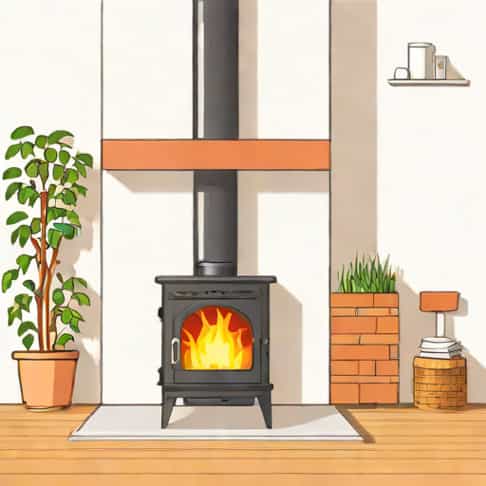
Pellet stoves have grown increasingly popular as an efficient and environmentally friendly way to heat homes, particularly in colder climates. They use compressed wood or biomass pellets to produce heat, offering an alternative to traditional wood stoves or fireplaces. One common question among homeowners considering a pellet stove is whether these stoves require a chimney. Understanding how pellet stoves vent smoke and gases is essential for safe installation and optimal performance. This topic explores the mechanics of pellet stoves, their venting requirements, and whether a chimney is necessary for their operation.
How Pellet Stoves Work
Pellet stoves operate differently from traditional wood stoves. Instead of burning large logs, pellet stoves use small, uniform pellets made from compressed sawdust, wood shavings, or other biomass materials. These pellets are automatically fed into a burn chamber by an auger system, allowing for continuous and controlled combustion. The stove’s fan system circulates heated air into the room, providing efficient heat distribution. Unlike traditional stoves, which rely on natural draft to exhaust smoke, pellet stoves use a dedicated venting system to remove combustion gases safely and efficiently.
Ventilation Requirements
One of the main advantages of pellet stoves is their flexible venting options. Pellet stoves do require a vent to safely expel smoke, gases, and combustion byproducts, but this does not necessarily have to be a traditional chimney. Modern pellet stoves are designed to work with specialized vent pipes that can run horizontally through a wall or vertically through a ceiling. These vent pipes are usually made of stainless steel or another durable material designed to withstand heat and corrosive gases from burning pellets. This venting system is crucial to prevent smoke from entering the living space and to maintain proper stove operation.
Do Pellet Stoves Need a Chimney?
The short answer is no-pellet stoves do not require a traditional masonry chimney like a wood-burning stove does. While a chimney can be used in some installations, most pellet stoves are designed to work with direct vent systems. A direct vent system allows exhaust gases to exit the home efficiently, while also bringing in fresh air for combustion. This system creates a closed environment, which increases efficiency and reduces the risk of smoke leaks. Direct venting also provides flexibility in placement, allowing homeowners to install the stove in rooms without access to an existing chimney.
Direct Vent vs. Traditional Chimney
Understanding the difference between a direct vent system and a traditional chimney is essential for proper pellet stove installation
- Direct VentThis system uses a sealed pipe that runs directly from the stove to the outside, either horizontally through a wall or vertically through the roof. It ensures that combustion air comes from outside and that exhaust gases are safely vented without entering the home.
- Traditional ChimneyA masonry or prefabricated chimney relies on natural draft to carry smoke and gases upward. Pellet stoves can sometimes be adapted to vent through a chimney, but it requires careful installation to maintain efficiency and safety.
Most modern pellet stoves are optimized for direct venting, making traditional chimneys unnecessary in the majority of installations. However, homeowners with existing chimneys may choose to vent a pellet stove through a chimney if it meets the stove manufacturer’s specifications.
Installation Considerations
Proper installation is critical for the safe and efficient operation of a pellet stove. Vent pipes must be correctly sized, sealed, and insulated to prevent leaks and ensure adequate draft. Many manufacturers provide detailed installation guidelines to ensure compliance with local building codes and safety regulations. A certified professional should handle installation to guarantee that the venting system meets all safety standards. Poor installation can lead to smoke backflow, reduced efficiency, and even fire hazards.
Placement and Venting Options
Pellet stoves offer versatile placement options thanks to their venting flexibility. Common venting configurations include
- Horizontal Through WallThis is the most common installation method, allowing the stove to vent directly outside through a side wall.
- Vertical Through RoofIn cases where a horizontal wall exit is not feasible, a vertical vent can carry exhaust gases through the roof.
- Using an Existing ChimneySome pellet stoves can adapt to an existing chimney, but this requires a liner and careful installation to ensure safety and efficiency.
These options provide homeowners with flexibility while ensuring the stove can operate safely without a traditional chimney.
Maintenance and Safety
While pellet stoves do not require traditional chimneys, regular maintenance is crucial. The vent pipe should be inspected and cleaned periodically to prevent buildup of soot or creosote-like residue. Additionally, the burn chamber, ash pan, and fans require routine cleaning to maintain optimal performance. Safety devices such as carbon monoxide detectors should be installed in the home as an extra precaution. Adhering to manufacturer guidelines for maintenance and venting ensures the stove remains safe and efficient for years of use.
Efficiency and Environmental Benefits
Pellet stoves are highly efficient, often achieving energy conversion rates of 70-90 percent. The controlled combustion and direct venting system reduce smoke, particulates, and greenhouse gas emissions compared to traditional wood stoves. By eliminating the need for a full chimney, pellet stoves simplify installation while still providing a clean, efficient, and environmentally responsible heating option.
pellet stoves do require a venting system to expel smoke and combustion gases, but they do not need a traditional masonry chimney. Direct vent systems provide a safe, efficient, and flexible solution that allows homeowners to install a pellet stove almost anywhere in the home. While a traditional chimney can sometimes be used, it is not necessary and may require additional adaptations such as a liner. Proper installation, regular maintenance, and adherence to safety guidelines are essential for optimal performance. Pellet stoves offer an effective and environmentally friendly heating option, combining convenience, efficiency, and safety, without the need for a conventional chimney.
Understanding the venting requirements of pellet stoves helps homeowners make informed decisions about installation, placement, and maintenance. By using a direct vent system, pellet stoves can deliver reliable heat while maintaining a clean and safe environment. Whether choosing horizontal or vertical venting or adapting to an existing chimney, the flexibility of modern pellet stoves ensures that efficient home heating is accessible and practical for a wide range of household configurations.