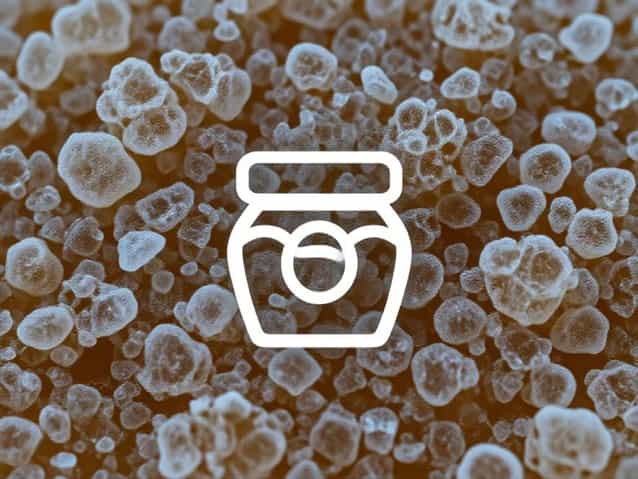
Honey is a natural sweetener prized for its taste, texture, and health benefits, but over time it can crystallize, turning from a smooth liquid into a grainy or solid form. Crystallization is a natural process that occurs when glucose in honey separates from water and forms tiny crystals. While crystallized honey is safe to eat and retains its flavor and nutrients, many people prefer the liquid form for ease of use in cooking, baking, or drizzling. Understanding the best way to un-crystallize honey ensures you can restore its smooth texture without damaging its flavor or nutritional properties.
Why Honey Crystallizes
Honey crystallization is influenced by several factors, including its sugar composition, storage temperature, and the presence of pollen or other ptopics. Honeys with a higher glucose-to-fructose ratio tend to crystallize more quickly, while those with more fructose remain liquid longer. Cooler temperatures accelerate crystallization, which is why honey stored in a refrigerator often solidifies faster. Impurities or seed crystals in raw honey can also trigger the crystallization process. Understanding these factors helps in selecting the right method to return honey to a liquid state without compromising quality.
Best Methods to Un-Crystallize Honey
There are several effective methods to restore honey’s smooth, liquid consistency. Each approach uses gentle heat to dissolve crystals while preserving the honey’s flavor, color, and nutrients. Choosing the appropriate method depends on the quantity of honey and available equipment.
Warm Water Bath
The warm water bath is one of the most common and safest ways to un-crystallize honey. This method involves placing the jar of honey in a container of warm water and gently stirring until the crystals dissolve.
- Fill a pot or bowl with warm water, ideally between 95°F and 110°F (35°C to 43°C).
- Place the honey jar in the water, ensuring the water level does not exceed the jar’s lid to prevent contamination.
- Let the honey sit, occasionally stirring to help dissolve crystals.
- Once the honey is smooth and liquid, remove the jar and dry it to prevent water from dripping into the honey.
This method is gentle and preserves the honey’s natural enzymes and flavor. Avoid overheating, as temperatures above 140°F (60°C) can degrade beneficial compounds.
Microwave Method
The microwave offers a faster solution for small quantities of honey, though it requires careful attention to avoid overheating.
- Transfer the desired amount of honey into a microwave-safe container if the original jar is not suitable.
- Heat in short intervals of 15-30 seconds at medium power, stirring in between each session.
- Continue until the honey is fully liquid and free of crystals.
Be cautious with this method, as microwaving for too long or at high power can burn honey, affecting taste and nutritional quality.
Oven Method
For larger quantities of honey, an oven can be used to un-crystallize it evenly.
- Preheat the oven to the lowest temperature setting, ideally below 150°F (65°C).
- Place the honey in a clean, heat-safe container without a lid.
- Position the container in the oven and heat gently, checking and stirring every 10-15 minutes.
- Remove when the honey is fully liquid and smooth.
This method is effective for bulk honey and ensures even warming, but care must be taken to avoid exceeding safe temperatures.
Double Boiler Technique
The double boiler is an alternative to a water bath that allows precise temperature control.
- Fill the bottom pot with water and bring it to a simmer, not a boil.
- Place a heat-safe bowl containing the honey over the pot, ensuring the bowl does not touch the water.
- Stir occasionally until the honey returns to a liquid state.
This method is especially useful for delicate or raw honey varieties, as it gently melts crystals without damaging enzymes or flavor.
Tips for Preventing Future Crystallization
While honey will eventually crystallize, certain storage practices can slow down the process and maintain its liquid form for longer.
- Store honey in a tightly sealed container to prevent moisture absorption, which can accelerate crystallization.
- Keep honey at a consistent temperature, ideally between 64°F and 75°F (18°C to 24°C).
- Avoid refrigeration, as cooler temperatures promote faster crystallization.
- Use clean utensils to prevent introducing ptopics that can act as seed crystals.
- If possible, store honey in glass jars, which are less reactive than plastic containers.
Stirring and Gentle Heating
Occasionally stirring honey or warming it gently if it starts to crystallize can delay the process. Avoid rapid heating or boiling, which can degrade the honey’s natural qualities. Maintaining a stable storage environment is key to preserving both texture and taste.
Understanding Raw vs. Processed Honey
Raw honey tends to crystallize faster than processed honey because it contains natural pollen, enzymes, and other ptopics that encourage crystal formation. Processed honey is often filtered and pasteurized, removing many ptopics that serve as seed crystals. While raw honey may require more frequent un-crystallization, it also offers higher nutritional benefits. Knowing the type of honey you have can help determine the best un-crystallization method and storage practices.
Health Benefits of Un-Crystallized Honey
While crystallized honey is safe and nutritious, un-crystallized honey is easier to use in cooking, baking, and beverages, allowing for more consistent texture and sweetness. Gently un-crystallizing honey preserves its natural antioxidants, enzymes, and antibacterial properties, which can support overall health. Smooth honey is also more versatile, enhancing its usability in recipes, teas, and natural remedies without altering texture or flavor.
Maintaining Nutritional Integrity
Choosing a gentle method to un-crystallize honey ensures that its beneficial properties remain intact. Avoid high heat, microwaving at full power, or boiling, as these methods can destroy enzymes and reduce antioxidant content. Methods like a warm water bath, double boiler, or low-temperature oven heating are preferred for maintaining honey’s natural qualities while restoring smoothness.
Un-crystallizing honey is a simple process when approached with the right methods and care. Using a warm water bath, microwave, oven, or double boiler, you can restore honey to a smooth, liquid state without compromising its taste, color, or nutritional benefits. Understanding why honey crystallizes and applying proper storage techniques can also help delay future crystallization. Whether using honey for cooking, baking, or as a natural sweetener, restoring its liquid consistency enhances usability while maintaining its health-promoting properties. By following these techniques, you can enjoy honey in its optimal form anytime, preserving both its texture and the natural goodness it provides.