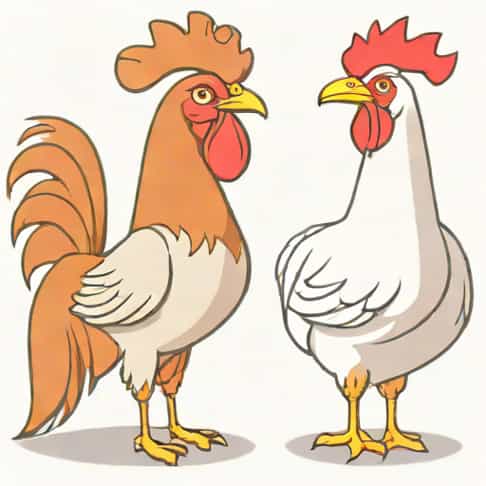
Aseel and Leghorn are breeds of chickens that have captured the attention of poultry enthusiasts around the world for their unique characteristics, history, and purposes in farming. Chickens, as domesticated birds, have been selectively bred over centuries to emphasize traits such as meat production, egg-laying capacity, or even ornamental appeal. Among the countless breeds, Aseel and Leghorn stand out for very different reasons. Aseel chickens are known for their muscular build, fighting history, and resilience, while Leghorns are prized for their exceptional egg-laying ability and adaptability. Understanding these breeds offers insight into both the diversity of domestic chickens and the purposes for which humans have developed them.
Aseel Chickens History and Characteristics
The Aseel breed originates from the Indian subcontinent, with a lineage that traces back hundreds of years. Historically, Aseels were bred for cockfighting due to their strength, stamina, and courage. Over time, however, they have also been recognized for their meat quality and their ability to survive in harsh conditions. Aseels are medium to large-sized birds with muscular bodies, broad shoulders, and strong legs. Their feathers are tight and glossy, and they typically exhibit upright postures that give them a proud and commanding appearance.
Behavior and Temperament of Aseel Chickens
Aseels are known for their feisty and assertive nature. While they can be aggressive towards other males, especially during mating seasons, they are often loyal and protective when raised in a domestic environment. They are intelligent birds that can recognize familiar humans and often respond to training or handling with awareness. However, their assertive temperament means they are not always recommended for beginners or for farms that prioritize docile, easy-to-manage birds.
Uses and Benefits of Aseel Chickens
Despite their fighting heritage, Aseels are now more commonly kept for meat production and exhibition. Their lean and flavorful meat is highly valued in certain cuisines, and their striking appearance makes them popular in poultry shows. Additionally, they are hardy birds that can adapt to a variety of climates, making them suitable for free-range systems where resilience and survival instincts are important.
Leghorn Chickens History and Characteristics
In contrast to the Aseel, Leghorn chickens are celebrated primarily for their egg-laying abilities. This breed originated in Italy, specifically in the Tuscany region near the port city of Livorno (or Leghorn in English). Leghorns have been bred extensively for commercial egg production due to their remarkable efficiency, adaptability, and prolific laying capacity. They are generally smaller and lighter than Aseels, with sleek white feathers, yellow legs, and large combs that stand upright on their heads.
Egg Production and Efficiency
Leghorns are considered one of the most productive egg-laying breeds in the world. A single Leghorn hen can lay over 250 white-shelled eggs per year under optimal conditions, which makes them highly valuable for both small-scale backyard farmers and commercial poultry operations. Their ability to maintain steady production even in less-than-ideal conditions contributes to their widespread popularity.
Behavior and Management
Leghorns are active, alert, and somewhat flighty birds. They enjoy free-ranging and foraging, which can make them slightly challenging to manage in confined spaces. Despite their energetic nature, they are relatively hardy and can thrive in a variety of climates. Their social behavior is generally cooperative within flocks, but their flighty temperament may require secure fencing and protective housing to prevent escape or predation.
Comparing Aseel and Leghorn Chickens
While both Aseel and Leghorn are breeds of domestic chickens, they differ significantly in purpose, temperament, and physical characteristics. Understanding these differences is crucial for farmers, breeders, and enthusiasts who wish to incorporate either breed into their flocks.
Physical Differences
- AseelMuscular, large-bodied, strong legs, tight feathers, upright stance.
- LeghornSlim, light-bodied, sleek feathers, large upright comb, agile frame.
Temperament and Behavior
- AseelAssertive, strong, potentially aggressive towards other males.
- LeghornFlighty, active, alert, and generally social within flocks.
Primary Uses
- AseelMeat production, exhibition, heritage preservation.
- LeghornEgg production, backyard flocks, commercial laying operations.
Breeding and Care
Both Aseel and Leghorn require careful attention to nutrition, housing, and health management. Aseels benefit from environments that allow them to exercise their natural strength and agility, while Leghorns thrive with access to foraging areas and consistent lighting to support egg production. Disease prevention, balanced diets, and secure housing are critical for maintaining the health and productivity of both breeds.
Feeding and Nutrition
Aseels require protein-rich diets to support muscle development and maintain their active lifestyle. Leghorns, as prolific layers, need diets high in calcium and essential vitamins to support shell formation and overall egg production. Providing fresh water, clean feed, and occasional supplements ensures both breeds remain healthy and productive.
Housing and Environment
Aseels thrive in free-range or spacious environments where they can roam and express natural behaviors. Leghorns also benefit from free-range access, but secure fencing is essential due to their active and flighty nature. Proper shelter protects both breeds from predators and adverse weather while providing nesting areas for egg-laying or resting.
Aseel and Leghorn are both fascinating breeds of chickens, each offering unique qualities and benefits to poultry enthusiasts and farmers. Aseels impress with their strength, resilience, and historical significance, making them ideal for meat production, heritage preservation, and exhibition. Leghorns, on the other hand, dominate in egg-laying productivity, adaptability, and efficient management for both backyard and commercial purposes. Understanding the history, characteristics, and care requirements of each breed allows enthusiasts to make informed decisions, ensuring healthy flocks and optimal productivity. Whether for meat, eggs, or display, Aseel and Leghorn continue to play important roles in the world of domestic poultry, demonstrating the incredible diversity and specialization within a single species.