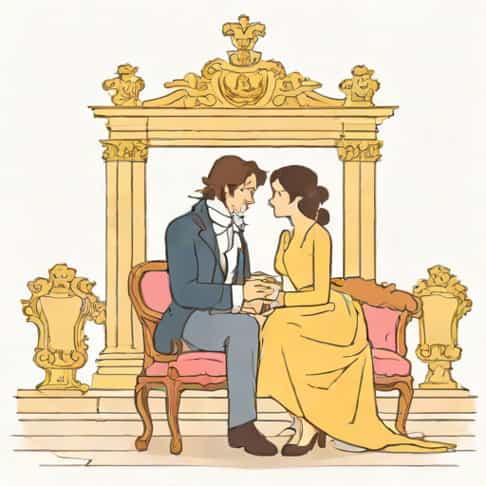
Pride and Prejudice is one of the most widely read novels in English literature, known for its sharp observations of human behavior, social class, and romantic relationships. Set in early nineteenth-century England, the story follows the everyday lives of families whose futures depend heavily on marriage and reputation. Rather than focusing only on romance, the novel explores misunderstandings, personal growth, and the slow process of learning to see others clearly. This summary of Pride and Prejudice explains the plot, characters, and themes in a clear and accessible way.
The Social World of Pride and Prejudice
The story takes place in a society where social class, wealth, and family connections strongly influence personal choices. Marriage is often treated as a practical necessity rather than a romantic ideal, especially for women. The Bennet family, with five unmarried daughters, lives under the pressure of securing suitable matches before their modest income and lack of male heirs put them at a disadvantage.
This setting shapes nearly every event in Pride and Prejudice. Balls, visits, letters, and polite conversations all carry hidden meanings. Small actions can damage reputations, while good manners and social standing often hide deeper flaws.
Introducing the Bennet Family
The novel centers on the Bennet family, particularly Elizabeth Bennet, the second eldest daughter. Elizabeth is intelligent, witty, and values honesty and self-respect. Her father, Mr. Bennet, is sarcastic and detached, while her mother, Mrs. Bennet, is anxious, loud, and obsessed with marrying off her daughters.
The five Bennet sisters each represent different personalities and attitudes toward life and marriage
- Jane Bennet, the eldest, is kind, gentle, and optimistic.
- Elizabeth Bennet is sharp-minded and independent.
- Mary Bennet is serious and moralizing.
- Catherine (Kitty) Bennet is easily influenced.
- Lydia Bennet is reckless and impulsive.
The Arrival of Mr. Bingley and Mr. Darcy
The plot of Pride and Prejudice begins when a wealthy young man, Charles Bingley, moves into the neighborhood. His arrival brings excitement, especially because he is unmarried. At a local ball, Bingley appears friendly and immediately shows interest in Jane Bennet.
Alongside Bingley is his close friend, Fitzwilliam Darcy, who is even wealthier but far less approachable. Darcy’s reserved manner and critical comments cause many, including Elizabeth, to see him as proud and unpleasant. This first impression plays a major role in shaping Elizabeth’s feelings toward him.
First Impressions and Misjudgments
Elizabeth overhears Darcy dismissing her as tolerable, but not handsome enough to tempt me, which deeply offends her. From that moment, she views him as arrogant. Meanwhile, Darcy begins to admire Elizabeth’s intelligence and spirit, even though he struggles with his own sense of social superiority.
This contrast between appearance and reality becomes one of the central ideas in Pride and Prejudice.
Jane and Bingley’s Growing Relationship
Jane Bennet and Charles Bingley develop a mutual affection that seems sincere and natural. However, misunderstandings and outside interference complicate their relationship. Darcy and Bingley’s sisters believe Jane’s family connections are unsuitable and quietly encourage Bingley to distance himself.
When Bingley suddenly leaves for London, Jane is heartbroken but remains composed. Elizabeth, more suspicious, begins to distrust Darcy even more, believing he is responsible for separating the couple.
Mr. Collins and an Unwelcome Proposal
Another important storyline in this summary of Pride and Prejudice involves Mr. Collins, a distant cousin who will inherit the Bennet estate. He is socially awkward, overly formal, and obsessed with pleasing his wealthy patron, Lady Catherine de Bourgh.
Mr. Collins proposes marriage to Elizabeth, assuming she will accept out of duty and financial necessity. Elizabeth firmly refuses, shocking her mother but remaining true to her principles. This moment highlights Elizabeth’s refusal to marry without respect and affection.
Charlotte Lucas’s Practical Choice
After Elizabeth’s rejection, Mr. Collins proposes to Charlotte Lucas, Elizabeth’s close friend. Charlotte accepts, viewing marriage as a practical arrangement rather than a romantic one. This decision contrasts sharply with Elizabeth’s ideals and reflects the limited options available to women.
Elizabeth’s Changing View of Darcy
The turning point of Pride and Prejudice occurs when Darcy unexpectedly proposes to Elizabeth. His proposal is sincere but poorly expressed, emphasizing the obstacles of her lower social status. Elizabeth rejects him, accusing him of arrogance and of harming Jane’s happiness.
In response, Darcy writes a letter explaining his actions. He admits his mistakes regarding Jane and reveals the truth about another character, George Wickham, who had previously won Elizabeth’s sympathy through false stories.
The Role of Wickham
Wickham is charming but dishonest. He spreads lies about Darcy to hide his own irresponsible behavior. Elizabeth realizes she has been too quick to judge and begins to question her own prejudices.
This moment marks the start of Elizabeth’s personal growth and self-reflection.
Lydia’s Scandal and Family Crisis
The Bennet family faces a serious threat when Lydia runs away with Wickham. In their society, such behavior could ruin the family’s reputation permanently. Elizabeth fears that any chance of happiness, especially with Darcy, is now impossible.
Unexpectedly, Darcy intervenes behind the scenes, arranging Lydia’s marriage to Wickham and paying his debts. He does this quietly, without seeking praise, demonstrating real change in his character.
Resolution and Final Understanding
As misunderstandings are cleared and true motives revealed, Bingley returns and proposes to Jane, who happily accepts. Elizabeth, now aware of Darcy’s integrity and kindness, reassesses her feelings.
When Darcy proposes again, this time with humility and respect, Elizabeth accepts. Their relationship is built on mutual understanding, personal growth, and earned respect rather than first impressions.
The Central Themes of Pride and Prejudice
This summary of Pride and Prejudice would not be complete without discussing its themes. The novel explores the danger of judging others too quickly and the importance of self-awareness. Pride and prejudice affect nearly every character, often preventing happiness until they are confronted.
Other important themes include
- The balance between love and financial security
- The role of class and social expectations
- The growth that comes from self-reflection
Why Pride and Prejudice Remains Relevant
Despite being set in a very different time, Pride and Prejudice remains relatable. Its characters struggle with misunderstandings, personal flaws, and social pressure, issues that still exist today. Elizabeth and Darcy’s journey shows that meaningful relationships require honesty, humility, and the willingness to change.
As a summary of Pride and Prejudice shows, the novel is more than a love story. It is a thoughtful exploration of human behavior, reminding readers that true understanding often comes only after pride is set aside and prejudice is questioned.