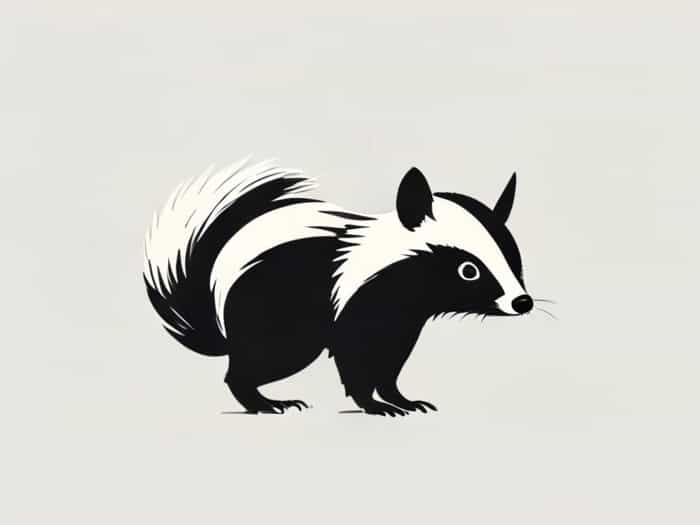
The skunk is a small to medium-sized mammal known for its distinctive black-and-white coloration and its remarkable defense mechanism the ability to spray a foul-smelling liquid when threatened. Native to the Americas, skunks belong to the family Mephitidae and are recognized not only for their unique appearance but also for their role in ecosystems as omnivorous foragers. Skunks are primarily nocturnal and are often misunderstood due to their odor, yet they provide ecological benefits by controlling insect and rodent populations. Learning about what a skunk is, its characteristics, behavior, habitat, and conservation status can provide a greater appreciation for this fascinating and adaptable animal.
Definition and Classification of Skunks
Skunks are small mammals classified under the family Mephitidae. They are closely related to weasels and other carnivores but are most famous for their chemical defense system. Skunks are characterized by their distinctive fur patterns, usually black with white stripes or patches, although some species may be brown or gray. The genusMephitisincludes the common striped skunk and the hooded skunk, while other genera such asSpilogaleandConepatusinclude spotted and hog-nosed skunks. Despite their fearsome reputation due to their odor, skunks are generally docile and avoid confrontation unless provoked.
Physical Characteristics of Skunks
- Size Skunks typically range from 40 to 70 cm in length, including a bushy tail
- Weight Most skunks weigh between 0.5 and 5 kg depending on species
- Coloration Black-and-white fur with distinctive stripes or spots for warning predators
- Tail Bushy and used for balance and warning displays
- Scent Glands Specialized anal glands capable of spraying a strong-smelling liquid up to 3 meters
Habitat and Distribution
Skunks are found throughout North and South America, occupying a variety of habitats including forests, grasslands, agricultural areas, and urban environments. They are highly adaptable, able to live near humans while foraging for food. Skunks prefer areas with ample cover such as shrubs, burrows, or abandoned structures, which provide shelter during the day. Their nocturnal nature allows them to avoid predators and human activity while searching for food at night.
Geographic Range
- North America Commonly found in the United States, Canada, and Mexico
- Central and South America Various species inhabit tropical and subtropical regions
- Urban Areas Skunks have adapted to city parks, gardens, and residential areas
Behavior and Diet
Skunks are primarily nocturnal animals that exhibit solitary behavior except during mating season or when raising young. Their social interactions are limited, and they mark their territory with scent from their anal glands. Skunks are omnivorous, feeding on a wide variety of foods including insects, small mammals, birds, fruits, nuts, and even garbage in urban areas. This diet helps control pests and contributes to the ecological balance.
Defense Mechanism
Skunks are most famous for their ability to spray a pungent liquid from their anal scent glands when threatened. This spray contains sulfur-based compounds called thiols, which produce a strong, lasting odor that deters predators. Before spraying, skunks often give warning signals such as stamping their feet, hissing, and raising their tail. The spray can cause temporary irritation to the eyes and nose of predators and humans, making it an effective defense strategy.
Reproduction and Lifespan
Skunks breed once a year, typically in late winter or early spring. After a gestation period of around 60 to 75 days, females give birth to litters of three to ten kits. Newborn skunks are blind and helpless, relying on their mother for warmth, protection, and food. Kits are weaned at around two months of age and gradually learn to forage and defend themselves. In the wild, skunks live on average 2 to 4 years, although they can live up to 10 years in captivity where they are protected from predators and environmental hazards.
Ecological Importance
Skunks play an important role in ecosystems. As omnivorous foragers, they help control insect populations, including beetles, grasshoppers, and crickets, which can damage crops. They also feed on rodents, helping reduce populations of mice and rats. In addition, skunks contribute to soil aeration by digging for insects and roots, indirectly supporting plant growth. Despite their reputation, skunks provide valuable ecological services that benefit both natural and human-modified environments.
Interaction with Humans
Skunks often live near human settlements, which can lead to conflicts due to their spray or tendency to dig in gardens. However, they generally avoid confrontation and are not aggressive unless provoked. Understanding skunk behavior and using humane deterrents, such as securing garbage, fencing gardens, or using motion-activated lights, can reduce unwanted interactions while preserving the species’ ecological role.
Conservation Status
Most skunk species are not currently endangered, although habitat destruction and road mortality can impact local populations. Conservation efforts focus on habitat preservation, reducing human-wildlife conflicts, and educating the public about the ecological importance of skunks. Protecting skunk habitats and promoting coexistence helps maintain biodiversity and ecological balance.
Interesting Facts About Skunks
- Skunks are excellent diggers, using their claws to search for insects and burrow for shelter.
- Despite their odor, skunks are generally gentle and avoid fighting unless threatened.
- Skunks can spray their defensive liquid with remarkable accuracy up to 3 meters.
- They have few natural predators due to their potent scent, although great horned owls, coyotes, and bobcats may occasionally prey on them.
- Skunks can climb trees and swim, making them highly adaptable in diverse environments.
The skunk is a fascinating and adaptable mammal that is widely recognized for its distinctive black-and-white coloration and potent defensive spray. Native to the Americas, skunks are nocturnal omnivores that play a vital role in controlling insect and rodent populations, contributing to ecosystem health. While often misunderstood due to their odor, skunks are generally non-aggressive and serve important ecological functions. By learning about skunks, their behavior, diet, habitat, and conservation, we can appreciate these unique animals and promote coexistence that benefits both wildlife and human communities.