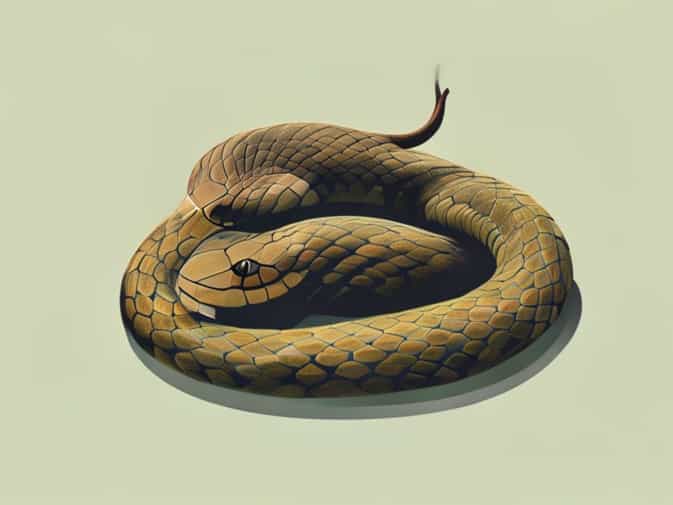
The anaconda snake is one of the most fascinating and formidable reptiles in the world. Known for its immense size and strength, this snake has captured human imagination for centuries. Often associated with the mysterious rivers and swamps of South America, anacondas are more than just giant predators they play an essential role in their ecosystems. Understanding the anaconda requires exploring its habitat, behavior, diet, and interaction with humans, which can reveal why this snake continues to intrigue scientists and nature enthusiasts alike. Unlike other snakes, anacondas are semi-aquatic and have unique adaptations that allow them to thrive in both water and on land.
Physical Characteristics of Anaconda Snakes
Anacondas are known for their extraordinary size and muscular bodies. They belong to the boa family, and the most famous species, the green anaconda (Eunectes murinus), can grow over 29 feet long and weigh more than 550 pounds, making it one of the heaviest snakes in the world. Their bodies are thick and cylindrical, covered with smooth, olive-green skin patterned with black blotches. These patterns help the snake camouflage in murky water and dense vegetation. Despite their size, anacondas are excellent swimmers, which is essential for hunting and avoiding predators in the wild.
Types of Anacondas
There are four recognized species of anacondas
- Green Anaconda (Eunectes murinus)The largest and heaviest species, primarily found in the Amazon and Orinoco basins.
- Yellow Anaconda (Eunectes notaeus)Smaller than the green anaconda, commonly found in Paraguay, Brazil, and Argentina.
- Dark-Spotted Anaconda (Eunectes deschauenseei)Rare and less studied, native to parts of Brazil.
- Bolo Anaconda (Eunectes beniensis)Discovered more recently, this species inhabits the Beni region in Bolivia.
Habitat and Distribution
Anacondas are primarily found in tropical South America. Their natural habitat includes swamps, marshes, and slow-moving rivers where water levels remain consistent year-round. These semi-aquatic snakes prefer areas with dense vegetation along riverbanks, which provides both cover and hunting opportunities. Water is essential for anacondas because it supports their massive bodies and allows them to move more easily while hunting. While they are more commonly associated with the Amazon rainforest, they can also be found in other river systems across the continent.
Behavior and Lifestyle
Anacondas are mostly solitary animals. They are ambush predators, meaning they lie in wait for unsuspecting prey rather than chasing it. Their hunting strategy relies on stealth and strength. By remaining submerged or partially hidden in water, anacondas can strike suddenly and coil around their prey. They constrict their victims, cutting off blood flow and air supply until the prey is immobilized. Despite their fearsome reputation, anacondas are not naturally aggressive toward humans and usually attack only when threatened or provoked.
Diet and Hunting
Anacondas have a diverse diet that includes fish, birds, mammals, and even caimans. Large green anacondas are capable of swallowing animals much larger than themselves, such as deer or capybaras. Their flexible jaws and expandable bodies allow them to consume prey whole, and their slow metabolism means they can survive for weeks or even months without eating after a large meal. Young anacondas feed primarily on small fish, amphibians, and rodents, gradually moving to larger prey as they grow.
Reproduction and Lifespan
Anaconda reproduction is fascinating. These snakes are ovoviviparous, meaning females give birth to live young rather than laying eggs. Mating occurs during the rainy season, and males compete for females through a behavior called the breeding ball, where several males coil around a single female to vie for mating rights. After a gestation period of about six months, females give birth to a litter of 20 to 40 baby anacondas. In the wild, anacondas can live up to 10 years, although some may survive longer under optimal conditions.
Interactions with Humans
Humans have long been fascinated and sometimes fearful of anacondas. Stories of giant snakes attacking humans have circulated for centuries, often exaggerating the danger. In reality, encounters are rare, and attacks on humans are uncommon. Anacondas are important to local ecosystems, controlling populations of other animals and maintaining balance in their habitats. However, habitat destruction and hunting have posed threats to anaconda populations. Conservation efforts focus on protecting wetlands and river systems, ensuring that these remarkable snakes can continue to thrive.
Interesting Facts About Anacondas
- Anacondas are excellent swimmers and can stay underwater for up to 10 minutes while hunting or hiding from threats.
- The green anaconda is considered the heaviest snake in the world, though not always the longest.
- Anacondas use heat-sensing pits to detect warm-blooded prey in murky water.
- Despite their size, they are surprisingly stealthy and can move silently through water and vegetation.
The anaconda snake is a remarkable creature that embodies both the power and mystery of the natural world. From its massive size and hunting skills to its role in maintaining the balance of ecosystems, the anaconda continues to fascinate people worldwide. Understanding this snake involves appreciating its unique adaptations, behavior, and importance to the environment. By learning more about anacondas, humans can cultivate respect for these incredible reptiles and support efforts to protect their habitats for future generations.