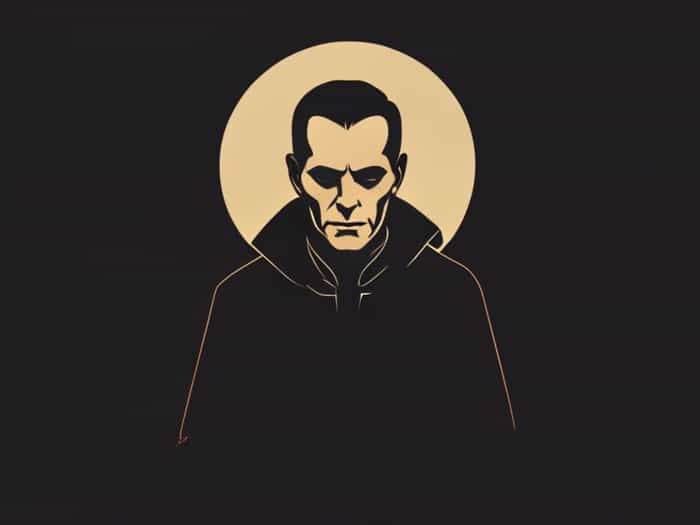
The ending of The Exorcist remains one of the most talked-about and haunting conclusions in horror film history. Released in 1973 and directed by William Friedkin, the movie shocked audiences with its raw portrayal of demonic possession and faith. Beyond the shocking visuals and chilling atmosphere, the film’s final moments carry deep emotional and spiritual weight, leaving viewers to question themes of sacrifice, redemption, and the battle between good and evil. Understanding the ending of The Exorcist requires not only revisiting its final scenes but also reflecting on the journey of its main characters and the symbolic meaning behind their choices.
The Climactic Exorcism Scene
As the story reaches its terrifying peak, Father Merrin and Father Karras attempt to expel the demon Pazuzu from Regan MacNeil, the young girl possessed by the malevolent entity. The exorcism is intense, filled with violent manifestations and psychological torment. The demon mocks the priests, testing their faith and exploiting their inner fears. Father Merrin, the experienced exorcist, insists on continuing the ritual despite his weakened state. However, his frail health ultimately gives way, and he dies in the middle of the exorcism, leaving Father Karras alone to face the demon.
Father Karras’ Moment of Sacrifice
After Merrin’s death, Father Karras is overcome with grief and anger. In a desperate act of faith and love, he challenges the demon directly. In one of the most iconic moments in cinematic history, Karras demands that the demon enter his body instead of Regan’s. The demon takes the bait, transferring from the girl into Karras. For a brief moment, Karras becomes possessed but before the demon can fully take control, he throws himself out of Regan’s bedroom window, plummeting down the long flight of stairs outside the house.
This act of self-sacrifice serves as the ultimate victory of good over evil. By choosing death, Father Karras saves Regan’s soul and defeats the demon’s power over her. His decision symbolizes redemption, as throughout the film he had struggled with guilt over his mother’s death and his crisis of faith. In sacrificing himself, Karras not only saves another life but also redeems his own spirit.
The Meaning of Father Karras’ Death
The death of Father Karras carries deep spiritual and emotional meaning. His final act can be interpreted as a Christ-like sacrifice a man giving up his life to save another. His fall down the stairs, brutal and final, echoes the descent of humanity into darkness, but his willingness to die for a greater cause transforms it into an act of divine love. Moments later, Father Dyer, Karras’ friend, arrives to give him the last rites, symbolizing that Karras’ soul has found peace through faith.
In many interpretations, Karras’ death represents the victory of faith over doubt. Throughout the movie, Karras wrestles with disbelief, guilt, and loss. He feels disconnected from God and questions his own purpose as a priest. Yet in the final moment, he finds clarity and strength in his belief, confronting evil head-on and trusting in divine power. His sacrifice restores the spiritual balance that the demon tried to destroy.
Regan’s Transformation and Recovery
After the exorcism, Regan wakes up free from possession, with no memory of the horrifying events. Her mother, Chris MacNeil, is overwhelmed with relief, though she remains deeply shaken by what she has witnessed. The ending scenes show Regan regaining her innocence, a symbol of purity restored after the battle between heaven and hell. Though her ordeal was harrowing, she emerges untainted, reflecting the triumph of good.
In a small but powerful moment, Regan kisses Father Dyer’s cheek, recognizing his clerical collar and instinctively showing affection for the Church perhaps a sign that she subconsciously remembers the priests who saved her. This gesture reinforces the film’s central message even in the darkest moments, faith, love, and sacrifice prevail.
The Role of Faith and Redemption
The ending of The Exorcist is not just about horror; it’s about the struggle between belief and disbelief. Both priests in the story Merrin and Karras represent different aspects of faith. Merrin embodies steadfast conviction, a man whose faith is unshakable even in the face of demonic evil. Karras, on the other hand, represents the modern struggle of doubt and guilt. His journey is deeply human, filled with hesitation and emotional pain. Yet by the film’s end, his actions show that true faith is not about certainty but about courage and selflessness.
In this way, the movie’s conclusion becomes more than a battle against supernatural forces it becomes a metaphor for the inner conflict between good and evil within the human soul. The ending reminds viewers that redemption often requires sacrifice and that the light of faith can overcome even the darkest shadows.
Different Versions and Alternate Endings
Over the years, several versions of The Exorcist have been released, each with slight variations in the ending. The most notable difference appears in the Extended Director’s Cut, which includes a brief final scene where Lieutenant Kinderman and Father Dyer share a moment of reflection outside the house. Kinderman invites Dyer to see a movie together, mirroring an earlier friendship between Kinderman and Karras. This exchange offers a touch of warmth and continuity after the horror, suggesting that life moves on even after tragedy.
In the theatrical version, however, the film ends shortly after Regan’s family drives away. The stairs where Karras fell are shown one last time, serving as a grim reminder of the price of salvation. Both versions, though slightly different in tone, reinforce the same core message that evil can be confronted and defeated, but not without sacrifice.
The Symbolism of the Staircase
The staircase outside Regan’s home is one of the most memorable images in The Exorcist. It serves as both a literal and symbolic descent into death. When Father Karras falls down the stairs, it represents the physical end of his life but also the spiritual purification of his soul. The stairs have since become a pilgrimage site for fans and film enthusiasts, embodying the movie’s central theme of redemption through suffering.
In a broader sense, the staircase symbolizes humanity’s path between sin and salvation. Just as Karras falls in an act of grace, the stairs remind viewers that spiritual ascent often comes through personal sacrifice and courage.
The Legacy of The Exorcist’s Ending
Few horror films have achieved the cultural and emotional impact of The Exorcist. Its ending set a new standard for psychological and spiritual depth in the genre. The final moments leave audiences unsettled, not only because of the shocking visuals but because of the profound moral questions it raises. What does it mean to have faith? Can one act of sacrifice truly cleanse evil? These questions linger long after the credits roll.
The story of Father Karras and Regan MacNeil continues to influence modern horror films, inspiring countless adaptations, sequels, and discussions about morality, religion, and human resilience. The ending, while tragic, offers hope showing that even in the face of overwhelming darkness, compassion and courage can prevail.
The ending of The Exorcist is a powerful blend of horror and spirituality, where the ultimate victory comes not from exorcism rituals alone but from human sacrifice and moral strength. Father Karras’ decision to give his life encapsulates the film’s central themes of redemption, faith, and the eternal battle between good and evil. Decades after its release, the conclusion still resonates deeply, reminding viewers that the true exorcism lies not just in driving out demons, but in confronting the fears and doubts within the human soul.