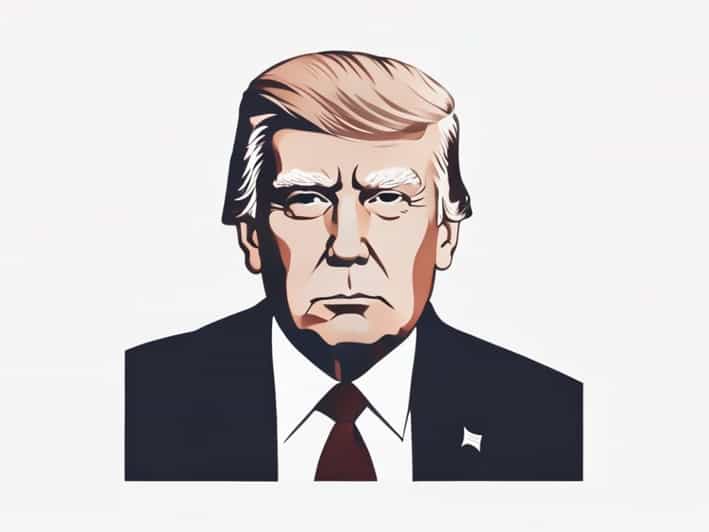
The President of the United States holds one of the most powerful and influential positions in the world, acting as both the head of state and head of government. This role comes with immense responsibilities, including enforcing federal laws, guiding domestic and foreign policy, and serving as the commander-in-chief of the armed forces. The president embodies the ideals of American democracy, shaping the nation’s direction while representing the values and interests of the American people. Understanding the powers, duties, and history of the office provides insight into how the United States functions and the influence the president has on global affairs.
Role and Responsibilities of the President
The president has a multifaceted role in the U.S. government, balancing executive authority with accountability to Congress and the public. The Constitution grants the president powers to execute laws, appoint key officials, negotiate treaties, and issue executive orders. As commander-in-chief, the president oversees the military and has the authority to deploy forces, although congressional approval is often required for extended engagements. Beyond these formal duties, the president serves as a symbol of national unity and a leader who can inspire public confidence during crises.
Executive Powers
The executive powers of the president include enforcing laws passed by Congress, managing federal agencies, and appointing cabinet members and federal judges. The president can issue executive orders to direct government operations, which are legally binding unless overturned by courts or legislation. These powers allow the president to respond quickly to emergencies, implement policy priorities, and influence the day-to-day functioning of the federal government.
Legislative Influence
While the president cannot directly make laws, the office holds significant influence over the legislative process. The president can propose legislation, recommend budgets, and use the veto power to reject bills passed by Congress. Through speeches, public addresses, and political negotiation, the president can shape public opinion and encourage lawmakers to support specific initiatives. This legislative influence is crucial for advancing the administration’s agenda and addressing national priorities.
Election and Term of Office
The president is elected through a complex process that combines popular votes with the Electoral College system. Candidates must meet constitutional requirements, including being a natural-born citizen, at least 35 years old, and a resident of the United States for at least 14 years. Presidential elections occur every four years, and the 22nd Amendment limits an individual to two terms in office. The election process reflects the balance between democratic participation and structured representation through the Electoral College.
Inauguration and Transition
After winning the election, the president is officially inaugurated on January 20th, marking the peaceful transfer of power. The inauguration ceremony includes taking the Oath of Office, in which the president pledges to faithfully execute the duties of the office and preserve, protect, and defend the Constitution. The transition period before the inauguration allows the incoming president to assemble a team, develop policy priorities, and prepare for governance while ensuring continuity of government operations.
Historical Significance of the Presidency
The presidency has evolved over time, with each president leaving a distinct mark on the office and the nation. From George Washington, who established many precedents, to modern presidents who face global challenges and technological changes, the role has adapted to meet new circumstances. The office has influenced social reform, economic policy, and foreign relations, demonstrating the president’s central role in shaping American history and global affairs.
Notable Presidents
- George WashingtonThe first president, known for establishing the executive branch and setting presidential precedents.
- Abraham LincolnLed the nation during the Civil War and abolished slavery through the Emancipation Proclamation.
- Franklin D. RooseveltGuided the country through the Great Depression and World War II with New Deal policies.
- John F. KennedyInspired a generation with his vision of progress, civil rights advocacy, and space exploration initiatives.
Foreign Policy and Diplomacy
The president plays a crucial role in shaping U.S. foreign policy and maintaining diplomatic relations worldwide. Responsibilities include negotiating treaties, meeting with foreign leaders, and representing the nation at international organizations such as the United Nations. Decisions on trade agreements, military interventions, and international cooperation often reflect the president’s strategic vision and directly impact global stability. The president’s influence in diplomacy underscores the interconnectedness of domestic leadership and international relations.
Commander-in-Chief Role
As commander-in-chief, the president has authority over the U.S. armed forces, making critical decisions during conflicts and national emergencies. While the president can deploy troops and manage military operations, Congress retains the power to declare war and fund military activities. This balance ensures civilian oversight of the military while allowing the president to respond swiftly to threats to national security.
Challenges Faced by the President
Being the president comes with significant challenges, including managing political opposition, responding to crises, and addressing the diverse needs of the population. Presidents must navigate economic fluctuations, natural disasters, public health emergencies, and social issues while maintaining public trust. The ability to communicate effectively, build coalitions, and make informed decisions under pressure is essential for successful leadership.
Public Opinion and Media
Public opinion and media scrutiny significantly affect the president’s effectiveness. Modern presidents rely on both traditional media and digital platforms to communicate policies and engage with citizens. The media can influence public perception, shaping the president’s approval ratings and political leverage. Managing media narratives and maintaining transparency are crucial aspects of contemporary presidential leadership.
Legacy and Impact
The legacy of a president extends beyond their term in office, influencing future policies, social movements, and international relations. Effective presidents leave a lasting imprint through landmark legislation, visionary initiatives, and the precedent they set for future administrations. Historical evaluation of a president’s impact considers economic performance, social progress, foreign relations, and adherence to democratic principles, providing insight into the significance of the office.
The President of the United States holds a unique and influential position that shapes the direction of the nation and its role in the world. From executing laws and guiding policy to leading the military and representing the country abroad, the president’s responsibilities are vast and complex. Understanding the powers, election process, historical significance, and challenges of the presidency provides a comprehensive view of how the United States functions and why the office continues to be central to American democracy. The president embodies the nation’s ideals, navigates its challenges, and leaves a legacy that affects both domestic life and international relations for generations to come.