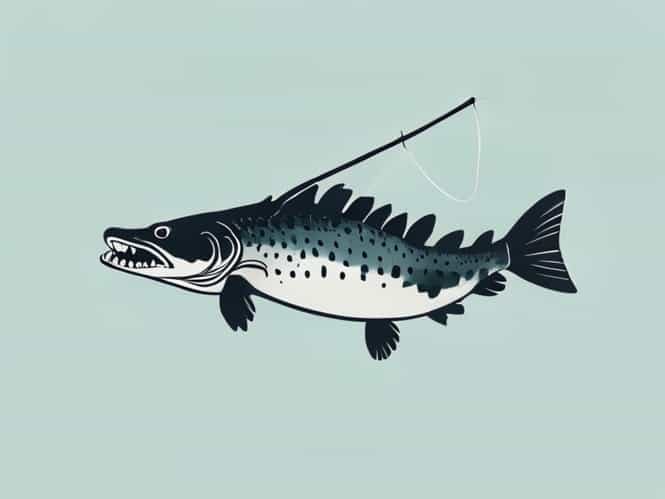
Fishing for alligator gar is an exciting and challenging pursuit that draws anglers from across the country. These massive freshwater fish are known for their long, muscular bodies, sharp teeth, and prehistoric appearance. Catching an alligator gar requires patience, proper equipment, and an understanding of their behavior. Unlike more common game fish, alligator gar are powerful predators that can grow to impressive sizes, often exceeding 6 feet in length and weighing over 100 pounds. This guide will provide a detailed approach to targeting alligator gar, from selecting the right tackle to identifying the best locations and techniques for a successful catch.
Understanding Alligator Gar
Alligator gar are one of the largest freshwater fish in North America and can be found in rivers, lakes, and reservoirs across the southern United States. They are primarily nocturnal hunters, feeding on fish, crustaceans, and occasionally small mammals. Despite their fearsome appearance, alligator gar are not aggressive toward humans unless provoked. Understanding their feeding patterns, habitat, and behavior is crucial for anglers who want to target them effectively.
Habitat and Behavior
Alligator gar prefer slow-moving waters with deep channels, submerged vegetation, and plenty of cover. They are often found near river bends, oxbow lakes, and behind submerged logs or structures where prey is abundant. Because they are ambush predators, they rely on stealth and patience to catch their food. Knowing where to find them increases your chances of a successful fishing trip.
Essential Gear for Alligator Gar Fishing
Fishing for alligator gar requires specialized equipment due to their size and strength. Standard fishing gear is usually not strong enough to handle these fish safely. Here’s a breakdown of the essential tackle
- RodsHeavy-duty rods with strong backbone are necessary. Many anglers use 7- to 9-foot rods rated for 80- to 150-pound test line.
- ReelsLarge conventional reels with a high line capacity and strong drag system are ideal for controlling a big gar.
- LineBraided line in the 80- to 150-pound test range is preferred for its strength and low stretch, providing better control during the fight.
- LeaderSteel or heavy monofilament leaders protect against the gar’s sharp teeth and prevent the line from being cut.
- BaitAlligator gar are attracted to live or cut bait, such as shad, carp, or buffalo fish. Large, fresh baits work best for enticing these big predators.
Techniques for Catching Alligator Gar
There are several methods anglers use to target alligator gar, each requiring patience and skill. Knowing when and how to use these techniques increases the likelihood of hooking a trophy fish.
Float Fishing
Float fishing is one of the most popular techniques for catching alligator gar. A large float or bobber keeps the bait suspended at the desired depth. Anglers position the bait near submerged structures or channels where gar are likely to ambush prey. Watching the float carefully is crucial, as the gar often takes time to circle the bait before striking.
Bottom Fishing
Bottom fishing involves placing heavy bait directly on the river or lake bottom. This technique works well in deeper channels where alligator gar feed. A sinker helps keep the bait stationary, while a strong leader ensures the fish cannot bite through the line. Patience is key, as alligator gar may nibble the bait slowly before fully committing to a strike.
Rod and Reel Techniques
When a gar strikes, it often takes the bait and makes a strong, sudden run. Proper rod positioning and drag settings are essential to avoid breaking the line. Anglers should allow the gar to run while maintaining tension on the line and gradually reel in during pauses. Playing the fish carefully helps tire it out before attempting to bring it to the boat or shore.
Safety and Handling
Handling alligator gar requires caution due to their size and sharp teeth. Use a pair of long-nose pliers or a dehooking device to remove the hook safely. Never put your hands near the fish’s mouth. If you plan to release the gar, minimize handling time and avoid dragging it on the ground to reduce stress and injury. Using a landing net or cradle designed for large fish is highly recommended for both safety and fish conservation.
Best Times and Locations
Timing and location play a major role in alligator gar fishing success. Early morning and late evening are prime periods, especially during the warmer months when gar are more active. They are also more likely to strike during overcast days or when water temperatures are moderate. Targeting areas with slow-moving currents, deep holes, and submerged cover increases the chance of encountering these prehistoric predators. Seasonal patterns also affect their behavior, so learning local water systems and consulting with experienced anglers can provide valuable insights.
Seasonal Considerations
Spring and early summer are often productive times for alligator gar fishing, as fish move into shallower waters to feed and spawn. During these periods, using large, lively bait and positioning near channels or backwaters can result in more strikes. Late summer and fall may require deeper water techniques and more patient, subtle presentations to entice bites from wary fish.
Common Mistakes to Avoid
Even experienced anglers can make mistakes when targeting alligator gar. Avoiding these pitfalls will improve your chances of landing a big fish
- Using light tackle that cannot handle the size and strength of alligator gar.
- Improperly setting hooks or using weak leaders that are easily cut by the fish’s teeth.
- Impatience gar often take time to fully commit to the bait.
- Fishing in areas without cover or deep water where gar are unlikely to be hunting.
- Poor handling techniques that can injure the fish or put the angler at risk.
Fishing for alligator gar is a thrilling and rewarding experience that combines strategy, skill, and patience. Understanding the fish’s behavior, selecting the right gear, and using proper techniques are essential for success. Whether using float fishing, bottom fishing, or other methods, anglers must respect the power of these ancient predators and handle them with care. By choosing the right locations, baits, and timing, anyone can improve their chances of hooking an alligator gar. Above all, responsible fishing practices ensure the safety of both the angler and the fish, allowing future generations to enjoy the excitement of pursuing these fascinating creatures.