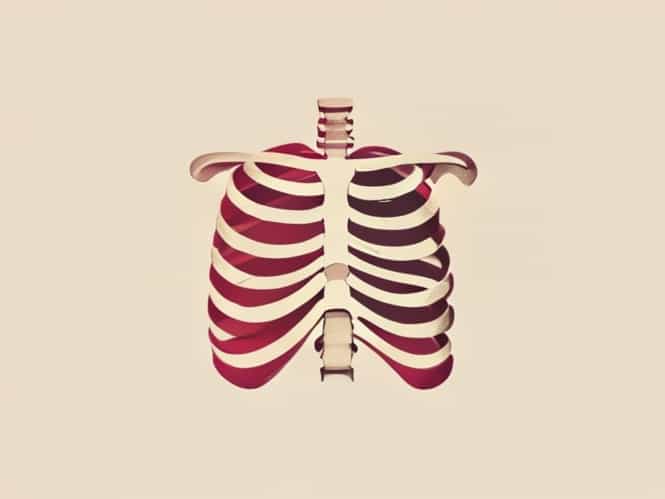
Broken ribs are a painful and limiting injury that can affect your daily activities and overall quality of life. Unlike some other bone fractures, rib fractures do not typically require surgery, but they do demand proper care to heal effectively. Healing broken ribs faster involves a combination of rest, pain management, respiratory exercises, and lifestyle adjustments. Understanding how to care for broken ribs, prevent complications, and support the body’s natural healing process can significantly reduce discomfort and speed recovery. By following evidence-based strategies and listening to your body, you can facilitate the healing process while minimizing the risk of further injury.
Understanding Rib Fractures
Ribs are thin, curved bones that protect vital organs like the heart and lungs. A broken rib occurs when one or more of these bones crack or fracture due to trauma, such as falls, sports injuries, or accidents. Symptoms of broken ribs include sharp pain when breathing or moving, tenderness at the injury site, bruising, and swelling. While ribs generally heal on their own, improper care can lead to complications such as pneumonia or chronic pain.
Types of Rib Fractures
- Simple fractures A single break in one rib, typically less severe
- Multiple rib fractures More than one rib is fractured, which may cause increased pain and complications
- Flail chest A serious condition where several adjacent ribs are broken in multiple places, leading to unstable chest movement
Immediate Steps After Injury
Proper care immediately following a rib fracture can significantly influence healing speed and comfort. Prompt assessment and first aid are essential.
Medical Evaluation
- Seek medical attention to confirm the fracture through X-rays or CT scans
- Rule out complications such as punctured lungs, internal bleeding, or organ damage
- Obtain guidance on pain management and activity limitations
Pain Management
Controlling pain is crucial for healing because it allows normal breathing and activity without strain
- Use over-the-counter pain relievers such as acetaminophen or ibuprofen as recommended
- Apply ice packs to reduce swelling and inflammation during the first 48 hours
- Consider prescription medications if pain is severe, under medical supervision
Rest and Activity Management
Rest is essential for rib healing, but complete immobilization is neither possible nor recommended. Balancing rest with gentle movement supports recovery.
Rest Guidelines
- Avoid activities that cause sharp pain or strain the chest, such as heavy lifting or contact sports
- Sleep in a comfortable position, often propped up slightly to reduce pressure on the ribs
- Use pillows to support the injured area and maintain proper posture
Gradual Activity
Light movement helps prevent stiffness and supports lung function
- Engage in short, gentle walks as tolerated
- Avoid sudden twisting or bending of the torso
- Increase activity gradually as pain subsides
Breathing Exercises
Rib fractures can make deep breathing painful, leading to shallow breaths and increasing the risk of lung complications. Breathing exercises are crucial for faster recovery.
Deep Breathing Techniques
- Take slow, deep breaths several times a day to expand the lungs fully
- Inhale through the nose and exhale through the mouth, focusing on gentle expansion of the chest
- Consider using incentive spirometry if recommended by your healthcare provider
Coughing Safely
Since rib fractures make coughing painful, protecting the ribs during coughing is essential
- Hold a pillow firmly against the chest while coughing
- Use controlled, gentle coughs to clear mucus without straining the ribs
Supporting Healing Through Nutrition
Proper nutrition accelerates bone repair and supports overall recovery. Certain vitamins and minerals play a crucial role in rib healing.
Essential Nutrients
- Calcium Found in dairy products, leafy greens, and fortified foods, important for bone strength
- Vitamin D Supports calcium absorption and bone health; obtained from sunlight and supplements
- Protein Needed for tissue repair; sources include lean meats, eggs, legumes, and nuts
- Vitamin C Important for collagen formation and tissue healing; abundant in citrus fruits, peppers, and berries
Hydration
Staying hydrated aids overall healing and supports lung function
- Drink adequate water throughout the day
- Include hydrating foods such as fruits and vegetables
Pain Relief and Therapy Options
Managing pain effectively not only improves comfort but also supports faster healing by allowing normal breathing and movement.
Physical Therapy
Once the acute pain subsides, gentle physical therapy may help
- Improve posture and chest mobility
- Strengthen surrounding muscles to support the ribs
- Prevent stiffness and promote functional recovery
Heat Therapy
After the initial swelling decreases, heat can relieve muscle tension
- Apply warm compresses to the chest to ease soreness
- Use gentle heat for 15-20 minutes at a time
Avoiding Complications
Proper care is essential to prevent complications that can prolong recovery, such as pneumonia or chronic pain.
Monitoring Symptoms
- Seek immediate medical attention for difficulty breathing, fever, or increased pain
- Watch for signs of infection or unusual swelling at the injury site
- Follow up with your healthcare provider regularly to ensure proper healing
Preventing Secondary Injuries
- Avoid high-impact activities until the ribs are fully healed
- Use supportive measures like pillows during daily activities
- Maintain proper posture to reduce strain on the ribs
Lifestyle Adjustments for Faster Recovery
Small changes in daily routines can make a significant difference in rib healing and overall comfort.
Sleep Position
- Sleep slightly elevated to reduce pressure on the ribs
- Use supportive pillows to maintain a stable and comfortable position
Stress Management
Stress can negatively affect healing. Engage in relaxation techniques
- Practice deep breathing, meditation, or mindfulness exercises
- Avoid activities that cause unnecessary tension or anxiety
Healing broken ribs faster requires a combination of rest, pain management, proper nutrition, gentle movement, and attentive care. By understanding the nature of rib fractures, following medical advice, performing breathing exercises, and supporting bone health through nutrition, you can facilitate recovery and minimize discomfort. Additionally, avoiding complications and adopting lifestyle adjustments such as proper sleep positions and stress management enhance the healing process. Patience and consistent care are key, as ribs generally take several weeks to fully heal. With these strategies, you can recover more efficiently, regain normal activity, and protect yourself from further injury.