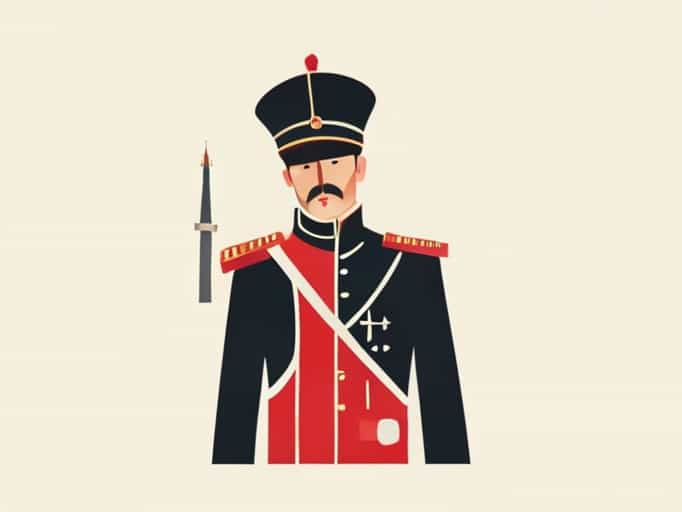
The Yeoman Warders of the Tower of London, often affectionately called the Beefeaters, are among the most iconic figures in British history and culture. Clad in striking uniforms and stationed at one of the nation’s most historic landmarks, these men and women have long stood as guardians of tradition, protectors of the Tower, and storytellers of its many secrets. Their presence connects the modern visitor to centuries of royal intrigue, imprisonment, and legend. To understand the London Tower Yeoman Warder is to explore the living history that has shaped Britain’s royal and military identity for more than five hundred years.
The Origins of the Yeoman Warders
The history of the Yeoman Warders dates back to the reign of King Henry VII in 1485. After securing his crown at the Battle of Bosworth, Henry established a personal bodyguard made up of trusted soldiers known as the Yeomen of the Guard. From this elite group emerged the Yeoman Warders, a distinct corps stationed permanently at the Tower of London. Their main role was to protect the fortress, the Crown Jewels, and, most importantly, the monarch’s interests.
In the early years, the Tower of London was both a royal palace and a prison. The Yeoman Warders therefore served as jailers, responsible for guarding high-profile prisoners of the state. Over time, their duties evolved as the Tower’s purpose changed, but their ceremonial role and symbolic importance have remained steadfast through the centuries.
The Meaning Behind the Name Beefeater
The nickname Beefeater has long been associated with the Yeoman Warders, though its exact origin is debated. One theory suggests it comes from the generous rations of beef they were historically given as part of their pay. Others believe the term may have originated from the Old French word buffetier, referring to royal guards who protected the king’s food. Regardless of its true roots, Beefeater has become a term of endearment and global recognition for the Tower’s loyal guardians.
The Role of the Yeoman Warder Today
Today, the duties of a Yeoman Warder are a blend of tradition, ceremony, and education. They no longer serve as active soldiers or prison guards, but their connection to Britain’s military heritage remains strong. Each Yeoman Warder must have served in the armed forces for at least 22 years and achieved the rank of warrant officer before they can be considered for the position.
Their modern responsibilities include guiding visitors through the Tower of London, conducting tours, telling stories of the Tower’s dark and fascinating past, and participating in ceremonial events. These tours are world-renowned for their mix of history, humor, and theatrical storytelling, making the Yeoman Warders some of the most recognizable ambassadors of British heritage.
Living Within the Tower
One unique aspect of being a Yeoman Warder is that they actually live within the Tower of London itself. The Yeoman Warders and their families reside in charming historic housing within the fortress walls, forming a small, close-knit community. This tradition of living on-site continues the centuries-old custom of constant vigilance over the Tower and its treasures.
Every night, the Ceremony of the Keys takes place an ancient ritual marking the locking of the Tower’s gates. The Chief Yeoman Warder plays a central role in this ceremony, which has been performed without interruption for hundreds of years. It’s one of the oldest surviving military traditions in the world, symbolizing the enduring security and authority of the British Crown.
The Ceremonial Uniforms of the Yeoman Warders
The striking uniform of the Yeoman Warder is one of the most recognizable symbols of London. They wear two types of attire depending on the occasion. The everyday undress uniform is a dark blue outfit trimmed with red, featuring the royal cipher of the reigning monarch. For state and ceremonial occasions, they wear the more elaborate scarlet and gold Tudor uniform, which harks back to the age of Henry VIII.
The design and craftsmanship of these uniforms are steeped in symbolism. The Tudor rose, crown, and other insignia represent loyalty to the monarchy and the continuity of royal tradition. Despite its ceremonial splendor, each uniform must also adhere to strict regulations of presentation a reflection of the military precision and pride that define the Yeoman Warders.
Symbols of British Identity
For millions of visitors, the sight of a Yeoman Warder standing proudly against the backdrop of the Tower of London evokes a sense of continuity with Britain’s past. Their presence symbolizes centuries of service, honor, and duty. Alongside the famous ravens that inhabit the Tower grounds, they are part of the living pageantry that keeps history alive in the heart of modern London.
Stories and Legends of the Tower
The Yeoman Warders are not just ceremonial guards they are the storytellers of the Tower’s many legends. Their tours weave together tales of royal intrigue, betrayal, and ghosts that haunt the fortress. Among the most famous are the stories of Anne Boleyn, the Princes in the Tower, and Sir Walter Raleigh, all of whom spent time within these walls under very different circumstances.
- Anne BoleynThe second wife of Henry VIII was executed at the Tower in 1536, and her spirit is said to still wander near the Chapel of St Peter ad Vincula.
- The Princes in the TowerTwo young heirs to the throne mysteriously disappeared in the 15th century while confined within the Tower a mystery that endures to this day.
- Sir Walter RaleighThe famed explorer was imprisoned multiple times in the Tower, where he wrote much of his historical work before his eventual execution.
The Yeoman Warders preserve these tales with dramatic flair and historical accuracy, ensuring that visitors leave with a sense of awe and connection to the stories that shaped England’s past.
The Changing Role of Women in the Yeoman Warders
For most of their history, the Yeoman Warders were exclusively male. However, this changed in 2007 when Moira Cameron became the first female Yeoman Warder in the Tower’s long history. Her appointment marked a significant step toward inclusivity and modernity within this ancient institution. Since then, more women have joined the ranks, bringing diversity to a role that continues to evolve while maintaining its deep-rooted traditions.
Training and Commitment
Becoming a Yeoman Warder is no small feat. Candidates must not only meet the military service requirements but also undergo extensive background checks and interviews. Once selected, they must learn the detailed history of the Tower and its many inhabitants, mastering the storytelling skills that make their tours so engaging. It takes both discipline and charisma to balance the ceremonial aspects of the job with the public engagement that defines their daily duties.
The Yeoman Warders and Modern Britain
In today’s fast-paced world, where digital technology often dominates how people experience history, the Yeoman Warders remain a human bridge to the past. Their live tours, ceremonial presence, and community traditions give visitors an authentic connection to the legacy of the British monarchy and the Tower’s historical role as both fortress and symbol of power.
They also play a role in national events, appearing in state ceremonies, royal commemorations, and television broadcasts. Each appearance reinforces the enduring link between Britain’s military heritage and its living traditions of service and loyalty.
The London Tower Yeoman Warder stands as one of the most enduring icons of British heritage. With centuries of history woven into their uniforms, rituals, and stories, they embody a living link to the nation’s royal and military past. From their origins as guards of the monarch’s fortress to their current role as storytellers and ceremonial ambassadors, the Yeoman Warders continue to uphold values of honor, duty, and service. As the Tower of London welcomes visitors from across the world, the Beefeaters remind everyone that history is not just something to be read it is something to be lived, remembered, and shared through the people who keep its spirit alive.