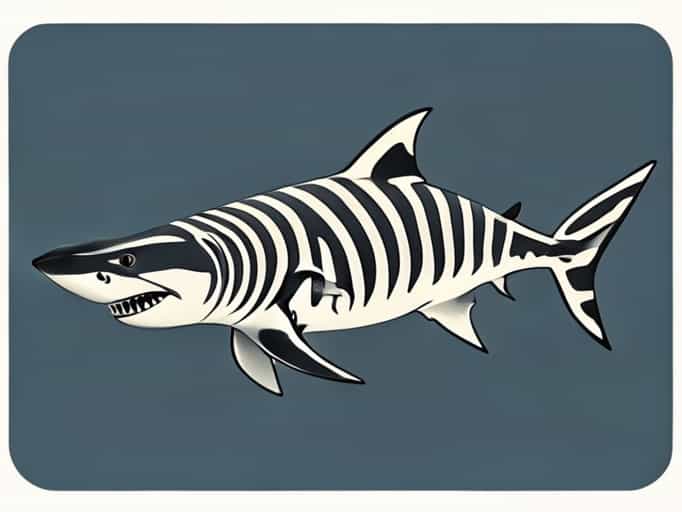
The zebra bullhead shark is a fascinating species that has drawn interest from marine biologists, aquarists, and shark enthusiasts due to its unique appearance, behavior, and manageable size. Known for its striking black-and-white striped pattern, this shark is a smaller species compared to many other sharks, making it a popular choice for large home aquariums and public marine displays. Its size, combined with its calm temperament and interesting feeding habits, makes the zebra bullhead shark an accessible subject for those interested in marine life. Understanding its physical characteristics, habitat, and care requirements provides a comprehensive look at this remarkable shark.
Introduction to the Zebra Bullhead Shark
The zebra bullhead shark, scientifically known as Heterodontus zebra, is part of the bullhead shark family, Heterodontidae. This family is known for having small to medium-sized sharks that are primarily benthic, meaning they live near the seafloor. The zebra bullhead shark is notable for its distinctive striped pattern, which resembles that of a zebra, hence its common name. These sharks are slow-moving, nocturnal hunters that feed mainly on invertebrates and small fish. Their unique appearance and behavior make them highly recognizable among shark species.
Physical Characteristics
The zebra bullhead shark has several physical features that distinguish it from other sharks
- ColorationBlack and white or dark brown and cream stripes running across its body.
- Body ShapeA robust, stocky body with a short, blunt head and pronounced ridges above the eyes.
- FinsTwo dorsal fins, each with a small spine at the front, and a broad, rounded caudal fin for stability.
- Mouth and TeethSmall mouth with molar-like teeth adapted for crushing shells of mollusks and crustaceans.
Zebra Bullhead Shark Size
The size of the zebra bullhead shark is one of the factors that make it appealing for aquarists. Adult zebra bullhead sharks typically reach a maximum length of about 1.2 meters, or roughly 4 feet. Males tend to be slightly smaller than females, which can grow close to the maximum size. Their compact size compared to larger shark species means they require less space while still allowing for natural behavior and movement. Despite being smaller, these sharks are muscular and robust, capable of navigating complex reef environments and maintaining stability on the seafloor.
Growth and Lifespan
Juvenile zebra bullhead sharks hatch from eggs that are often laid in secure, rocky areas or hidden crevices. When they emerge, they are already well-developed, measuring around 20 to 25 centimeters in length. These young sharks gradually grow to their adult size over several years. In captivity, with proper care and diet, zebra bullhead sharks can live up to 25 years, making them a long-term commitment for aquarists. Growth rates are influenced by diet, water quality, and habitat conditions, both in the wild and in managed care.
Habitat and Distribution
Zebra bullhead sharks are primarily found in the shallow coastal waters of the western Pacific Ocean, particularly around Japan, Taiwan, and nearby regions. They prefer rocky reefs, coral areas, and sandy bottoms where they can find abundant food and shelter. These sharks are benthic, spending most of their time near the seafloor, often hiding in crevices during the day and becoming more active at night. Understanding their natural habitat is crucial for providing suitable conditions in captivity, including appropriate substrate, hiding places, and water parameters.
Behavior and Feeding Habits
These sharks are slow, deliberate hunters that primarily feed on crustaceans, mollusks, and small fish. They use their strong jaws and molar-like teeth to crush shells and access the soft tissue inside. Zebra bullhead sharks are generally solitary but may tolerate others of the same species in captivity if enough space is provided. They are nocturnal, meaning their peak activity occurs during the evening and night hours, which is important to consider for feeding schedules in aquariums. Their calm demeanor makes them less aggressive than larger, predatory shark species, contributing to their popularity in public aquariums.
Care in Captivity
Due to their manageable size, zebra bullhead sharks are often kept in large home aquariums or public displays, but they require careful attention to their environment. Key aspects of care include
- Tank Size At least 1,000 liters (264 gallons) for a single adult to allow swimming and natural behavior.
- Water Quality Stable temperature, salinity, and pH are critical; filtration should mimic natural water flow.
- Substrate Sand or fine gravel to prevent injury and allow natural foraging behavior.
- Diet Fresh or frozen shrimp, squid, clams, and small fish to meet their nutritional needs.
- Hiding Places Rocks, caves, and coral structures to provide shelter and reduce stress.
Challenges in Aquaculture
While zebra bullhead sharks are hardy, they can be sensitive to stress, poor water quality, and improper diet. They are not suitable for beginner aquarists due to their specific habitat and dietary needs. Successful long-term care requires consistent monitoring, a proper tank environment, and a commitment to feeding them a varied and nutritious diet. Additionally, breeding in captivity is rare, which makes wild-sourced juveniles a more common option, though conservation considerations must be taken into account.
Conservation Status
Zebra bullhead sharks are not currently listed as endangered, but their habitats are threatened by coastal development, pollution, and overfishing in some areas. Maintaining healthy populations in the wild requires preserving reef ecosystems and monitoring fishing practices. Captive breeding programs and responsible aquarium care can contribute to the conservation of this species by reducing pressure on wild populations and promoting education about marine biodiversity.
Educational Importance
Displaying zebra bullhead sharks in public aquariums helps raise awareness about the diversity of shark species and their ecological role. Visitors can learn about the species’ unique size, behavior, and feeding adaptations, as well as the importance of marine conservation. This educational component is vital for promoting respect for marine ecosystems and inspiring future generations to protect these fascinating creatures.
The zebra bullhead shark is a remarkable species distinguished by its striking striped pattern, moderate size, and fascinating behavior. Typically reaching up to 1.2 meters in length, it is smaller than many other shark species, which makes it suitable for observation in large aquariums while still allowing for natural behaviors. Its slow, nocturnal hunting, preference for rocky reefs, and solitary tendencies highlight the adaptations that allow it to thrive in the wild. Understanding its size, habitat, diet, and care requirements provides valuable insight for marine enthusiasts and underscores the importance of conserving this unique shark. Whether observed in the wild or in aquariums, the zebra bullhead shark continues to captivate and educate people about the diversity and beauty of ocean life.