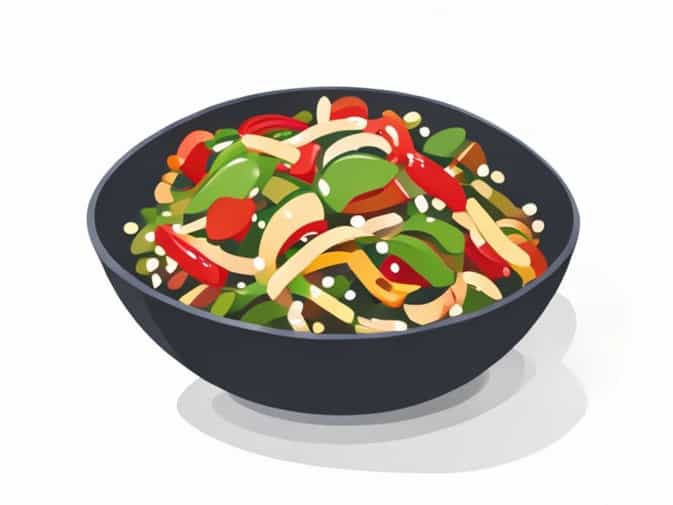
Stir fry dishes are among the easiest and most versatile meals you can prepare at home. With just a few ingredients, a hot pan, and a bit of creativity, you can create a flavorful meal that’s both quick and nutritious. For people watching their calorie intake, a low calorie stir fry offers the perfect balance of taste and health. It’s a fantastic way to load up on vegetables, lean protein, and vibrant sauces without feeling guilty afterward. The key lies in choosing the right ingredients, cooking techniques, and portion sizes to make your stir fry both satisfying and waistline-friendly.
Understanding What Makes a Stir Fry Low Calorie
A low calorie stir fry is built around nutrient-dense and low-fat ingredients. The goal is to minimize excess oils, sugary sauces, and high-calorie additives while maximizing flavor through spices, herbs, and healthy cooking methods. Unlike deep-fried or creamy dishes, a good stir fry relies on fresh, lightly cooked vegetables and lean proteins that maintain texture and nutrition.
Key Components of a Low Calorie Stir Fry
- VegetablesThe foundation of any healthy stir fry. Choose colorful vegetables like bell peppers, broccoli, carrots, mushrooms, snap peas, and zucchini. These add bulk without many calories.
- ProteinGo for lean options such as chicken breast, shrimp, tofu, or tempeh. These sources provide essential nutrients while keeping fat content low.
- Healthy oilsUse minimal amounts of oil. A teaspoon of olive oil, sesame oil, or avocado oil is usually enough for flavor and cooking.
- SaucesAvoid heavy sauces loaded with sugar or sodium. Opt for lighter alternatives like low-sodium soy sauce, rice vinegar, or a splash of citrus juice.
- SeasoningsUse garlic, ginger, chili flakes, and fresh herbs to create layers of flavor without adding calories.
How to Make a Delicious Low Calorie Stir Fry
The beauty of stir fry cooking lies in its simplicity. You can prepare a complete meal in under 30 minutes, which makes it ideal for busy weeknights. Here’s a step-by-step guide to help you create a flavorful low calorie stir fry at home.
Step 1 Prepare the Ingredients
Start by chopping your vegetables into even, bite-sized pieces. This ensures they cook quickly and evenly. Keep your protein sliced thin so it cooks fast and remains tender. Have all ingredients ready before you begin cooking, as stir frying is a quick process.
Step 2 Heat the Pan
Use a wok or a large non-stick skillet for best results. Heat it over medium-high heat until it’s hot enough that a drop of water sizzles instantly. Add a teaspoon of oil and swirl it around to coat the surface lightly. Too much oil can turn your low calorie stir fry into a high-fat dish, so measure carefully.
Step 3 Cook the Protein
Start with your protein source, as it usually takes the longest to cook. Stir frequently to prevent sticking and to get even browning. Once cooked through, remove the protein from the pan and set it aside.
Step 4 Stir Fry the Vegetables
Next, toss in your vegetables. Begin with harder vegetables like carrots or broccoli that require longer cooking, followed by softer ones such as bell peppers or mushrooms. Stir constantly to prevent burning and to maintain crispness. The goal is to keep the vegetables slightly crunchy and vibrant in color.
Step 5 Combine and Flavor
Return the protein to the pan and pour in your sauce mixture. A simple sauce can be made from a blend of soy sauce, garlic, ginger, and a touch of rice vinegar. If you like spice, add a pinch of chili flakes or sriracha. Cook everything together for another minute until the sauce slightly thickens and coats the ingredients evenly.
Low Calorie Stir Fry Sauce Ideas
Sauces can make or break your dish. Many store-bought options are packed with hidden sugars and fats, so making your own at home is the best way to control calories. Here are some low calorie sauce ideas to try
- Simple Soy Sauce MixCombine 2 tablespoons of low-sodium soy sauce, 1 teaspoon of rice vinegar, ½ teaspoon of sesame oil, and minced garlic.
- Citrus Ginger SauceMix orange juice, grated ginger, and a splash of soy sauce for a tangy, refreshing flavor.
- Spicy Chili Garlic SauceBlend chili flakes, minced garlic, lime juice, and a few drops of fish sauce for a bold and fiery taste.
Choosing the Right Vegetables
Vegetables are the backbone of a low calorie stir fry. They add color, crunch, and nutrients without weighing down your meal. The best stir fries include a mix of textures and flavors. Try combining cruciferous vegetables like broccoli with softer options such as zucchini or mushrooms. Leafy greens like spinach and bok choy can be added at the end of cooking for extra volume and freshness.
Best Low Calorie Vegetables for Stir Fry
- Broccoli
- Snow peas
- Bell peppers
- Mushrooms
- Zucchini
- Carrots
- Bok choy
- Spinach
Using a variety of vegetables not only improves the nutritional value of your meal but also keeps it visually appealing and satisfying to eat.
Adding Protein Without Excess Calories
Protein gives your stir fry staying power it helps you feel full longer and supports muscle maintenance. The key is to choose lean sources that cook quickly and pair well with vegetables.
Top Protein Choices for Low Calorie Stir Fry
- Chicken breastHigh in protein, low in fat, and easy to cook.
- ShrimpLow in calories and rich in flavor; cooks in just minutes.
- TofuA great plant-based option that absorbs sauces beautifully.
- Egg whitesExcellent for a light, protein-packed stir fry.
- Lean beef stripsUse sparingly for a hearty but calorie-conscious option.
Keep portion sizes reasonable around 3 to 4 ounces of protein per serving to maintain balance in your meal.
Tips for Making a Healthy Stir Fry
Even small adjustments in technique can make a big difference in calorie control. Here are some practical tips to ensure your stir fry remains low calorie yet full of flavor
- Use non-stick pans to minimize the amount of oil needed.
- Steam or blanch vegetables briefly before stir frying to reduce cooking time and oil use.
- Replace oil with a splash of water or broth when needed to prevent sticking.
- Limit sugary sauces like teriyaki or hoisin use them sparingly for taste, not as the main ingredient.
- Top your stir fry with herbs like cilantro or green onions for extra freshness without calories.
Serving Suggestions for Low Calorie Stir Fry
A traditional stir fry is often served over rice or noodles, but these can add up in calories. There are healthier alternatives that keep the dish light and balanced.
Low Calorie Side Options
- Cauliflower riceA great substitute for white rice, adding bulk and texture without carbs.
- Brown riceHigher in fiber than white rice, making it more filling.
- Shirataki noodlesVery low in calories and work well with Asian-style dishes.
- QuinoaA complete protein source that complements vegetables and sauces perfectly.
Health Benefits of Low Calorie Stir Fry
Incorporating a low calorie stir fry into your diet provides multiple health benefits. It’s nutrient-dense, helping you get essential vitamins and minerals while staying within your calorie goals. Because it emphasizes vegetables and lean proteins, it supports heart health, aids in weight management, and boosts energy levels throughout the day. Moreover, the quick cooking method helps retain more nutrients compared to boiling or baking.
Low calorie stir fry meals prove that healthy eating doesn’t have to be bland or complicated. By focusing on fresh ingredients, lean proteins, and smart cooking methods, you can enjoy a satisfying meal full of flavor and nutrition. Whether you’re aiming for weight loss, better health, or simply a delicious dinner, a well-balanced stir fry is one of the best choices you can make. Experiment with different vegetables, sauces, and proteins until you find your favorite combination. The possibilities are endless, and the results are always wholesome, colorful, and delicious.