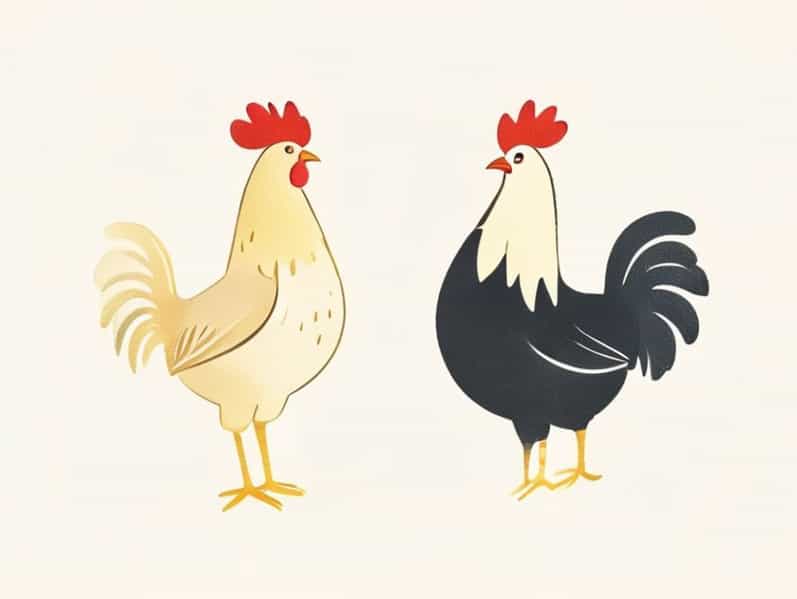
When it comes to raising chickens, understanding the difference between Leghorn and broiler chickens is essential for both small-scale farmers and backyard poultry enthusiasts. These two types of chickens are among the most commonly raised breeds worldwide, but they serve very different purposes. Leghorns are primarily known for their exceptional egg-laying abilities, while broilers are bred for rapid growth and meat production. Choosing between them requires an understanding of their characteristics, behavior, growth patterns, care requirements, and suitability for specific farming goals. This topic will provide a detailed comparison to help readers make informed decisions when selecting poultry breeds.
Origin and History
Leghorn chickens originated from the Italian city of Livorno (Leghorn in English), and they were imported to the United States in the 19th century. They are recognized for their high egg production and are often used in commercial egg-laying operations. Their history emphasizes agility, hardiness, and prolific laying, which made them a favorite for egg-focused farmers.
Broiler chickens, on the other hand, are not a single breed but rather a category of chickens selectively bred for meat production. Modern broilers are descendants of Cornish and White Plymouth Rock chickens. The goal of selective breeding in broilers has been rapid growth, high feed efficiency, and a large, tender body suitable for commercial meat markets. Broilers became widely popular in the 20th century as demand for chicken meat increased globally.
Purpose and Primary Use
The primary difference between Leghorn and broiler chickens lies in their intended use. Leghorns are layer chickens, which means their main purpose is egg production. They are valued for their ability to lay a high number of white eggs consistently, often producing over 250 eggs per year under optimal conditions. This makes them ideal for commercial and backyard egg production.
Broilers are meat chickens, raised to provide a substantial amount of meat in a short period. They are bred to reach market weight quickly, often within 6 to 8 weeks. Broilers have a higher feed conversion ratio, meaning they gain weight efficiently, which is a key factor for meat production efficiency. Their meat is tender and high in yield, making them ideal for poultry farms focused on selling chicken meat.
Physical Appearance
Leghorns are relatively small and lightweight chickens, with males averaging around 2.5 3 kg and females around 2 kg. They have a slim build, long legs, and a prominent single comb. Their feathers are usually white, although other color variants exist, including brown, black, and buff. Leghorns’ lightweight frame and upright posture help them be active foragers.
Broilers, in contrast, have a stocky, heavy build with broad breasts and short legs. They are significantly larger than Leghorns, with males and females reaching 3 4 kg or more in just a few weeks. Their rapid growth results in a plump body, which is ideal for meat production but can limit mobility. Broilers typically have white feathers and yellow skin, a trait preferred in the commercial meat industry.
Growth Rate and Lifespan
Growth rate is a major differentiator between Leghorns and broilers. Leghorns grow slowly and steadily, reaching maturity around 18 20 weeks. Their slower growth aligns with their primary role as egg layers, allowing their bodies to sustain long-term egg production without health issues caused by rapid growth.
Broilers grow extremely fast due to selective breeding and optimized feeding. They can reach market weight in as little as 6 to 8 weeks. However, this rapid growth comes with a shorter lifespan, as broilers are generally not kept beyond a few months for meat purposes. Excessive weight can sometimes lead to leg or heart problems if the chickens are not managed carefully.
Egg Production
Leghorns are prolific egg layers and can produce large quantities of white eggs consistently throughout their laying cycle. They have a high egg-laying rate due to their metabolism and lightweight body, which allows them to allocate more energy to egg production. Their eggs are typically medium-sized and highly sought after for both commercial and domestic consumption.
Broilers, however, are not bred for egg production and typically lay few eggs if any. Their reproductive systems are less developed for sustained egg-laying because most energy is directed toward rapid body growth. As a result, broilers are unsuitable for anyone whose primary goal is egg production.
Behavior and Temperament
Leghorns are active, energetic, and often quite flighty. They enjoy free-ranging and foraging for insects and plants, which makes them suitable for backyard flocks or farm settings where chickens roam. Their alert nature can make them a bit more challenging to handle, but it also helps them avoid predators effectively.
Broilers, on the other hand, are calmer and less active, largely due to their heavy build and rapid growth. They prefer confined spaces and are less interested in foraging. This makes them easier to manage in intensive meat production systems, but they are less suitable for free-range setups unless the environment is carefully managed to prevent health issues.
Feeding and Nutrition
Leghorns require a balanced layer feed rich in calcium to support eggshell formation. They benefit from a diet that includes grains, protein, and access to greens and insects. Their smaller size and active nature mean they eat less feed than broilers, making them more economical for egg production purposes.
Broilers require high-protein diets to support rapid muscle growth. Feed formulations are designed to maximize weight gain efficiently while ensuring the chickens reach market standards quickly. Broilers consume more feed overall compared to Leghorns, and careful management of feed and supplements is necessary to prevent metabolic disorders associated with rapid growth.
Housing and Care Requirements
Leghorns adapt well to various housing conditions, including free-range and backyard environments. They need sufficient space to move and access to nesting boxes for egg-laying. Their active lifestyle and flightiness mean fencing and predator protection are important considerations.
Broilers require housing that accommodates their rapid growth and heavier bodies. Adequate ventilation, temperature control, and space are critical to prevent health issues such as leg deformities and respiratory problems. Broilers are typically raised in controlled environments to ensure optimal growth and health for meat production.
Summary of Key Differences
- PurposeLeghorns are egg layers, broilers are meat producers.
- Growth RateLeghorns grow slowly; broilers grow rapidly.
- SizeLeghorns are lightweight; broilers are heavy and stocky.
- Egg ProductionLeghorns lay many eggs; broilers lay few or none.
- BehaviorLeghorns are active and flighty; broilers are calm and less mobile.
- Feed RequirementsLeghorns require layer feed; broilers require high-protein growth feed.
- LifespanLeghorns live longer for sustained laying; broilers are usually raised only a few months.
- HousingLeghorns can free-range; broilers need controlled housing for optimal growth.
Understanding the differences between Leghorn and broiler chickens is essential for anyone interested in poultry farming. Leghorns excel as egg-layers, offering high egg production, activity, and adaptability, while broilers are specifically designed for rapid meat production, with heavy bodies and high feed efficiency. Selecting the right type of chicken depends on farming goals, whether prioritizing eggs, meat, or a combination of both. By evaluating their origin, physical characteristics, growth rates, behavior, feed requirements, and housing needs, farmers and hobbyists can make informed choices to optimize productivity, health, and overall satisfaction with their poultry operations.