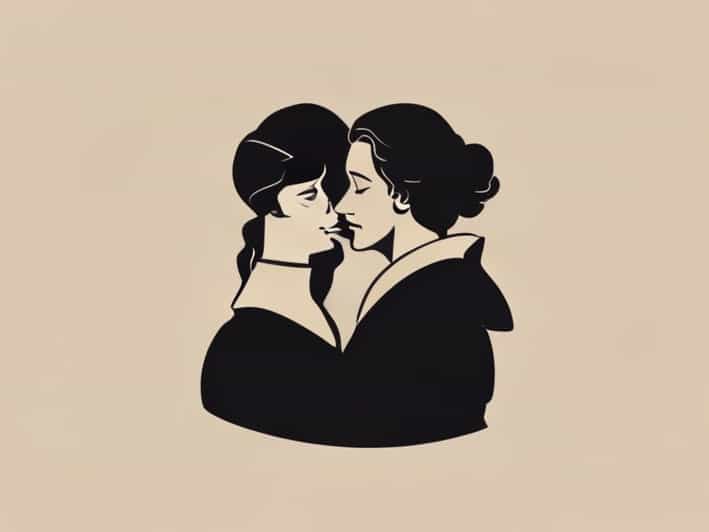
The story of Viola de Lesseps in Shakespeare in Love continues to fascinate audiences because of the way it blends imagination, romance, and the creative spirit of the Elizabethan stage. Her character represents longing, ambition, and the power of art to cross boundaries. As viewers follow her journey, they witness not only a love story but also a deeper exploration of identity, expression, and the limitations placed upon women of her time. Viola becomes a symbol of passion and courage as she challenges expectations while shaping the world of theater in ways she was never allowed publicly to claim.
The Character of Viola de Lesseps
Viola de Lesseps stands at the center of the film’s emotional and dramatic movement. Her story is not merely a fictional romance; it allows the audience to experience the artistic struggles that might have inspired Shakespeare himself. Through Viola’s presence, the narrative reveals how creativity often demands boldness, sacrifice, and at times, disguise.
A Woman in a Restrictive Society
Elizabethan England imposed strict rules on women, especially in the world of theater. Women were forbidden to act on stage, which makes Viola’s dream to perform even more compelling. Her determination to break these boundaries shows her bravery, her love of performance, and her willingness to risk her reputation for the sake of art.
Viola’s Love of Theater
From the beginning, Viola is portrayed as someone deeply connected to the world of drama. Her admiration for Shakespeare’s plays leads her to imagine a life that transcends expectations. She does not merely want to observe; she wants to participate. Her enthusiasm and talent reveal how the theater becomes a refuge where she can express her most authentic self.
The Disguise of Thomas Kent
One of the most memorable aspects of Viola’s storyline is her disguise as Thomas Kent. This disguise is not only a plot device; it also highlights the nature of identity, performance, and passion. Through Thomas Kent, Viola finds a voice she could never use as herself, stepping into the realm of actors and creators.
The Symbolism Behind the Disguise
By adopting a male persona, Viola can audition for Shakespeare’s play, earn a role, and experience freedom unavailable to her in everyday life. The disguise symbolizes the constraints placed on women and the lengths they must go to in order to pursue their dreams. It also mirrors theater’s constant play between illusion and reality.
The Impact on Shakespeare’s Work
Viola’s performance as Romeo inspires Shakespeare as he writes. Her presence shapes the development of Romeo and Juliet, reinforcing the idea that artistic creation is often influenced by personal relationships and emotional experiences. Viola becomes both muse and participant, embodying the creative spark behind great storytelling.
The Romance Between Shakespeare and Viola
At the center of the film’s emotional arc is the relationship between Viola and William Shakespeare. Their connection blends passion, artistic inspiration, and tragedy, echoing the themes of Shakespeare’s own plays. Through their love, the film explores how personal emotion can pour into creative work.
Love Born from Art
Shakespeare and Viola meet through their shared connection to theater. Their love begins with admiration, grows through collaboration, and deepens as they exchange ideas and emotions. For Shakespeare, Viola becomes the spark that reignites his writing. For Viola, he becomes the embodiment of the world she longs to join.
The Blend of Fiction and History
Although the story is fictional, the film places it within the framework of Shakespeare’s life and works. The romance creates a bridge between imagination and historical speculation. Viola’s influence on the play within the story makes her an essential part of the narrative’s mythology.
The Role of Viola in the Development of Romeo and Juliet
One of the most compelling elements of Viola’s presence is how she shapes the creation of Romeo and Juliet. As she and Shakespeare fall in love, the emotions of their relationship echo the famous play’s themes of forbidden love, longing, and sacrifice.
Parallel Themes
The love between Shakespeare and Viola mirrors Romeo and Juliet’s desire to choose their own destiny. Both relationships face obstacles, social constraints, and painful consequences. Through Viola, the play takes on deeper meaning, becoming both an artistic expression and a reflection of lived experience.
Viola’s Performance as Juliet
When Viola steps into the role of Juliet, she expresses her own feelings through the character. Her performance becomes a blend of her artistic talent and her personal truth. It shows how actors draw from their own emotions to bring fictional characters to life.
Viola’s Personal Journey
Beyond romance and artistic influence, Viola undergoes a profound personal transformation. She shifts from a young woman constrained by society to someone who acts boldly and pursues her passion regardless of expectations.
Identity and Self-Discovery
Through her disguise and stage presence, Viola discovers new dimensions of her identity. She embraces strength, independence, and confidence, challenging the limits imposed upon her. Her growth shows the power of art to transform not only audiences but also participants.
The Power of Ambition
Viola’s ambition is portrayed positively not as selfishness, but as a desire to live fully. Her courage encourages viewers to consider their own dreams and the obstacles they might face. She becomes a symbol of resilience and hope.
The Tragic Separation
Despite their love, Viola and Shakespeare cannot remain together. This separation reinforces the film’s themes of destiny, sacrifice, and the bittersweet nature of inspiration. Their farewell echoes the dramatic endings of Shakespeare’s tragedies and romances.
Social Obligations and Duty
Viola must marry according to her family’s arrangement and travel to the New World. Her departure highlights the realities of the time, when personal desires often bowed to societal expectations.
Shakespeare’s Gift to Viola
Before she leaves, Shakespeare gives Viola a vision of a new play shaped by her spirit. This final gesture transforms their heartbreak into creativity, ensuring that their connection lives on through the written word.
Legacy of Viola de Lesseps
Although a fictional character, Viola leaves a lasting impression on audiences. She embodies the idea that inspiration can come from unexpected places and that love and creativity often walk hand in hand. Her story enriches the narrative of Shakespeare in Love and invites viewers to rethink how art is made.
Symbol of Artistic Freedom
Viola represents everyone who longs to break free from restrictions and express themselves. Her bravery resonates with artists, dreamers, and anyone who has felt called to pursue something beyond the expected.
Enduring Emotional Impact
The themes connected to Viola love, sacrifice, identity, and creativity continue to resonate with audiences long after the film ends. Her character deepens the story’s emotional landscape and provides a human element that grounds the fictional narrative.
Viola de Lesseps remains one of the most compelling characters in modern film storytelling. Her passion for theater, her bold transformation, and her powerful influence on Shakespeare’s creative journey make her unforgettable. Through her courage and her love, the film explores timeless themes that echo the spirit of Shakespeare’s own work. Her story becomes both a tribute to artistic expression and a reminder of how deeply creativity intertwines with the human heart.