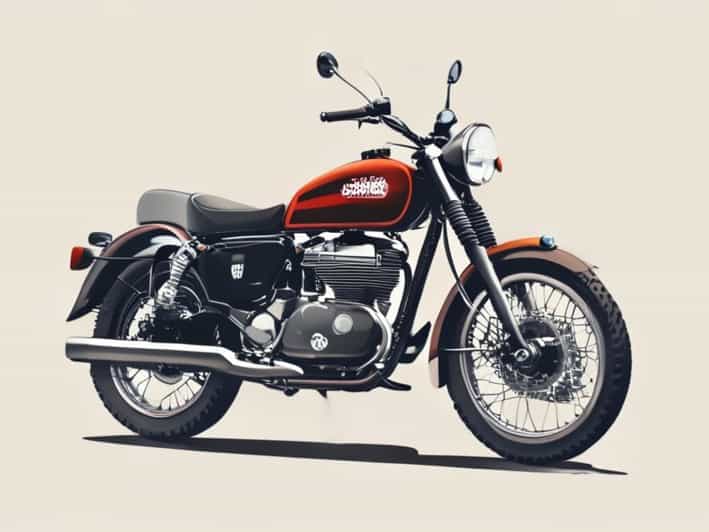
The Royal Enfield Interceptor 650 has captured the attention of riders around the world thanks to its classic styling, smooth parallel-twin engine, and approachable performance. Among the most common questions asked by enthusiasts is how fast the Interceptor 650 can actually go on the open road. Riders often compare its top speed to other mid-range motorcycles, wonder how different conditions affect its performance, and look for ways to optimize speed without compromising reliability. Understanding the real-world factors behind the motorcycle’s maximum speed provides useful insight for anyone considering the Interceptor 650 for daily commuting, touring, or weekend leisure rides.
The Engine Behind the Interceptor 650’s Speed
The Interceptor 650 uses a 648cc air- and oil-cooled parallel-twin engine. Known for its refined nature and steady power delivery, this engine combines modern engineering with Royal Enfield’s traditional riding feel.
Power Output and Performance Character
The motorcycle produces power in a linear and predictable way. This smooth curve allows riders to accelerate steadily without sudden surges, making the top speed feel stable and controlled rather than abrupt.
- 648cc displacement for balanced city and highway use
- Parallel-twin layout offering reduced vibration
- High torque available at lower RPMs, improving responsiveness
How Engine Design Influences Maximum Speed
The Interceptor 650’s performance is not designed solely for raw speed. Instead, the emphasis is on practical usability, making cruising at moderate to high speeds comfortable for long durations. Because of this, its top speed falls within a range that feels safe and manageable, even for new riders stepping into the mid-capacity segment.
Top Speed of the Royal Enfield Interceptor 650
In standard stock condition, the Royal Enfield Interceptor 650 can generally reach a maximum speed of around 160 km/h (approximately 100 mph). Actual numbers may vary slightly based on terrain, rider weight, wind resistance, and maintenance condition.
Real-World Riding Conditions
While ratings and tests may suggest the motorcycle can hit certain speeds, real-world results often depend on a variety of factors. Riders typically report comfortable cruising between 110 125 km/h, with the top speed achievable on open highways under favorable conditions.
- Flat, open roads support higher speeds
- Aggressive winds may reduce top speed
- Rider posture significantly affects aerodynamics
Speed Stability and Riding Comfort
Reaching maximum speed is one thing, but maintaining it safely is another. The Interceptor 650 is known for its stability even at higher speeds thanks to its weight distribution and frame design. It does not wobble easily, and the strong mid-range torque prevents the engine from feeling strained during longer highway rides.
Factors That Influence the Interceptor 650’s Maximum Speed
Several external and internal elements can affect how quickly the motorcycle reaches its top speed as well as what that speed ultimately is. Understanding these helps riders manage expectations and optimize performance safely.
Rider Position and Aerodynamics
When riding upright, the body naturally catches wind, especially at speeds above 100 km/h. This wind resistance can prevent the motorcycle from reaching its maximum potential. Riders who adopt a slightly forward-leaning posture may notice an increase of a few km/h in top-end performance.
Road and Weather Conditions
- Smooth highways improve acceleration
- High temperatures may slightly impact engine cooling efficiency
- Headwinds can significantly reduce achievable speed
Load and Weight Distribution
Carrying luggage or riding with a passenger increases weight, reducing acceleration and lowering the motorcycle’s peak speed. The Interceptor 650 handles additional weight well, but the impact on aerodynamics is noticeable on long rides.
Improving Top Speed Responsibly
While the Interceptor 650 performs admirably in stock condition, some riders look for ways to enhance its maximum speed without compromising long-term durability. Any changes should be made carefully, with an understanding of the motorcycle’s intended design.
Tire Pressure and Condition
Simple maintenance practices can influence performance more than many riders realize. Properly inflated tires reduce rolling resistance and enable smoother acceleration. Worn-out treads or incorrect tire pressure can limit the top-end experience.
Chain, Sprocket, and Lubrication
A well-lubricated chain and properly aligned sprockets reduce friction. Some riders explore modified sprocket ratios, but doing so may affect fuel efficiency or low-end torque. Maintaining the stock setup ensures a balanced mix of speed, stability, and engine life.
Fuel Quality and Engine Health
Using clean, high-quality fuel helps the engine perform at its best. Regular servicing such as timely oil changes, air filter cleaning, and spark plug checks ensures smoother combustion and preserves top-speed capability.
Interceptor 650 Max Speed Compared to Similar Motorcycles
The mid-capacity segment includes several models known for varied strengths. While some may exceed the Interceptor in terms of outright top speed, few match its blend of retro styling, comfort, and refined twin-cylinder smoothness.
Why Speed Isn’t the Only Metric
Max speed is appealing for comparison, but riders often choose the Interceptor 650 for its character rather than pure velocity. Its reliability, engine feel, and simplicity are key reasons it remains a popular choice among new and experienced riders alike.
- Smoother ride quality compared to single-cylinder rivals
- More relaxed highway cruising ability
- Classic design with modern performance elements
Highway Behavior and Long-Distance Riding
The Interceptor 650 excels not only in achieving respectable maximum speeds but also in maintaining stability at cruising speeds. This makes it appropriate for touring enthusiasts who want a motorcycle that feels planted even during long stretches on expressways.
Vibration Levels at Higher Speeds
Unlike many mid-range motorcycles with vibrating engines at high RPMs, the Interceptor 650’s twin-cylinder layout minimizes excessive buzzing. This contributes to rider comfort and reduces fatigue during extended rides.
Fuel Efficiency at High Speeds
Although fuel consumption naturally increases as the motorcycle approaches its top speed, the Interceptor 650 remains reasonably efficient, particularly when cruising at moderate speeds between 90 120 km/h. This balance makes it ideal for riders who want both performance and practicality.
The Royal Enfield Interceptor 650 delivers a well-rounded riding experience, and its maximum speed of around 160 km/h showcases its capability without pushing beyond its comfort zone. This motorcycle is not built for extreme racing, but rather for enjoyable, controlled highway rides with smooth acceleration and timeless styling. Riders appreciate the blend of power, stability, and comfort that the Interceptor 650 offers. Whether used for daily commuting or long-distance touring, its performance feels consistent and confident. Understanding the factors that influence top speed helps riders make the most of this iconic machine while maintaining safety, reliability, and riding enjoyment.