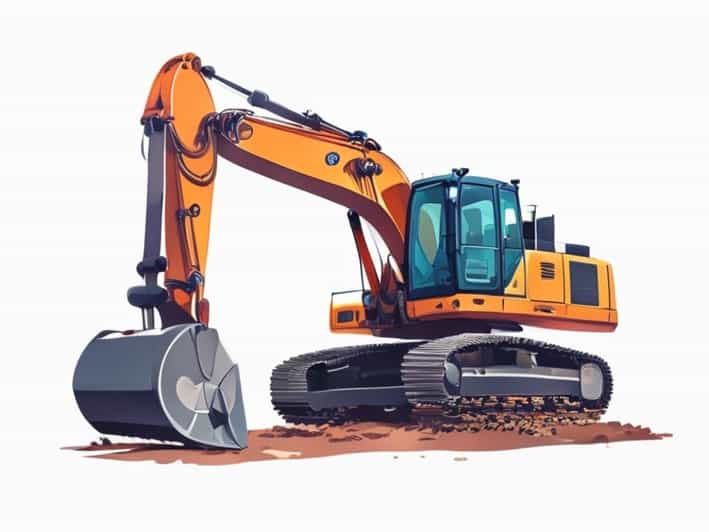
The world of heavy machinery is filled with incredible feats of engineering, but few machines capture the imagination quite like the largest excavator in the world. These colossal machines are not only a marvel of mechanical design but also serve a critical role in mining, construction, and large-scale earthmoving operations. They demonstrate the heights that human innovation can reach, combining immense power, precision, and durability to move thousands of tons of material each day. Understanding the capabilities and unique features of the biggest excavators provides insight into both modern engineering and the scale of industrial operations across the globe.
The Giant of Excavators
The biggest excavator in the world is known for its sheer size and extraordinary lifting capacity. These machines are typically used in open-pit mining, where they move vast quantities of earth, rock, and minerals efficiently. Unlike smaller construction excavators, the largest models are designed to operate in extreme conditions and handle workloads that would be impossible for conventional machinery. They stand as a testament to both human ingenuity and the demands of modern industry.
Specifications and Dimensions
The largest excavators measure over 20 meters in height and can weigh more than 800 tons. For example, the Bagger 293, a bucket-wheel excavator built in Germany, is often recognized as the largest land vehicle ever constructed. It measures around 96 meters long and 46 meters high, with a working weight exceeding 14,000 tons. Its bucket-wheel can move over 240,000 cubic meters of soil daily, making it an essential machine for large-scale mining operations. The scale of this equipment is difficult to grasp in practical terms, as it is taller than a 15-story building and longer than a football field.
Power and Efficiency
Powering such a massive machine requires an extraordinary energy source. The largest excavators often use electric motors or diesel engines generating tens of thousands of horsepower. These engines allow the machines to lift and transport enormous loads while maintaining operational efficiency. The Bagger 293, for instance, requires multiple megawatts of power, which is supplied through a network of high-voltage cables. Despite their size, modern excavators are designed to optimize fuel consumption and reduce environmental impact as much as possible, given the industrial context.
Key Features of the Biggest Excavators
- Bucket-wheel or hydraulic digging systemThe primary method of excavation is through either a rotating bucket-wheel or hydraulic arms with large buckets. These systems allow continuous digging and material handling.
- High lifting capacityThe largest excavators can lift hundreds of tons of earth or rock at a time, making them indispensable in mining and large construction projects.
- Advanced control systemsModern excavators include sophisticated computerized systems that assist operators in managing precision movements and optimizing performance.
- Mobility and track systemsDespite their size, these machines often move on tracks, allowing them to navigate rough terrain typical of mining sites.
- Operator comfort and safetyCabins are designed with ergonomics in mind, providing protection, visibility, and advanced control interfaces for long working hours.
Applications in Industry
The biggest excavators are predominantly used in mining, especially for extracting coal, iron ore, and other minerals. Their ability to remove massive amounts of overburden makes them essential for open-pit mining operations. Beyond mining, they are also employed in large construction projects where enormous amounts of soil or rock need to be relocated, such as dam construction, land reclamation, and infrastructure projects. Their efficiency dramatically reduces the time and labor required compared to smaller machines.
Challenges of Operating Massive Excavators
Operating the world’s largest excavators is not without its challenges. Maintenance is a continuous and complex task due to the immense wear and tear on parts. Engineers must regularly inspect hydraulic systems, tracks, and the bucket-wheel assembly to prevent downtime. Additionally, transporting such massive machinery is a logistical challenge. Many of these machines are built on-site or assembled in parts due to their size, making relocation a major undertaking. Training skilled operators is another critical aspect, as handling a machine of this scale requires precision and experience.
Impact on Mining Efficiency
The presence of giant excavators has transformed mining efficiency. Tasks that once took weeks or months can now be accomplished in days, thanks to these machines’ ability to continuously move material. They also reduce the reliance on large fleets of smaller excavators, trucks, and manual labor. In addition, they provide a higher level of precision and safety in mining operations, allowing companies to plan extraction with incredible accuracy while minimizing risks to human operators.
Future Developments
The future of the biggest excavators is moving toward more automation and environmentally conscious design. Companies are developing electric and hybrid models that aim to reduce fuel consumption and greenhouse gas emissions. Autonomous systems are also being integrated, allowing excavators to operate with minimal human supervision. This shift could further enhance efficiency and safety while continuing to push the limits of what these colossal machines can achieve. Additionally, innovations in materials and engineering may allow future excavators to become even larger or more versatile without sacrificing mobility or reliability.
The biggest excavator in the world is more than just a machine it is a symbol of human ambition and technological achievement. From the towering Bagger 293 to other giant hydraulic models, these machines exemplify the power, precision, and complexity of modern industrial equipment. They play a crucial role in mining, construction, and large-scale earthmoving, dramatically increasing productivity while reducing labor and operational time. As technology advances, these giants of industry will continue to evolve, becoming more efficient, eco-friendly, and capable of accomplishing feats that once seemed impossible. Their existence not only demonstrates what humans can build but also highlights the scale of operations needed to sustain modern infrastructure and resource extraction.