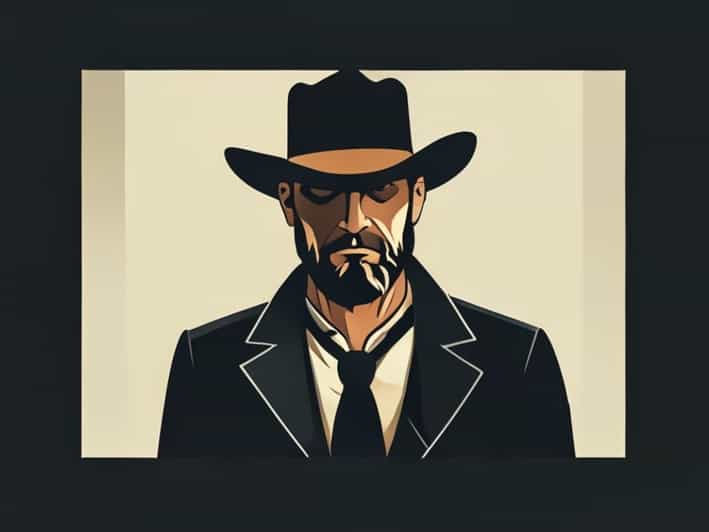
Players who reach the mission involving the Downes family in Red Dead Redemption 2 often find themselves facing a difficult decision should I absolve the debt in RDR2 or continue collecting money for the Van der Linde gang? This moment challenges not only gameplay priorities but also moral perspective, character development, and how Arthur Morgan evolves throughout the story. Many players replay this moment because the choice feels personal, emotional, and meaningful within the game’s narrative. Understanding the consequences and the deeper themes behind this decision can help players decide what feels right for their version of Arthur.
The Downes Debt Context
The debt associated with the Downes family becomes a major emotional turning point in Red Dead Redemption 2. Thomas Downes, a poor rancher struggling with illness, borrowed money from Leopold Strauss, the Van der Linde gang’s loan shark. When Arthur is sent to collect payment, players see firsthand how desperate the family has become.
Arthur’s Role as a Debt Collector
Arthur Morgan begins the story loyal to Dutch and willing to follow orders. Debt collection missions reinforce this image, showing Arthur using intimidation to force payment. However, the Downes debt stands out because Thomas is clearly suffering from tuberculosis.
During the confrontation, Thomas coughs blood onto Arthur, unknowingly infecting him. This moment changes the course of the story and Arthur’s fate, making players question whether continuing to enforce Strauss’s debts aligns with Arthur’s later transformation.
Should You Absolve the Debt?
The question should I absolve the debt in RDR2? often arises after Arthur discovers his illness. The game gives players the option to forgive the debt when revisiting the Downes family. Choosing to absolve it has emotional, thematic, and honor-related implications.
There is no major gameplay reward linked to the decision, which makes it more about role-playing and personal values. For many players, clearing the debt becomes a symbolic act of redemption.
Reasons to Absolve the Debt
Many players choose to absolve the debt for the following reasons
- Improves Arthur’s honor rating
- Reflects Arthur’s character growth
- Shows compassion for a struggling family
- Rejects Strauss’s cruel methods
- Strengthens the emotional narrative
Forgiving the debt aligns with Arthur’s shift toward becoming a better person. As his illness progresses, he begins questioning Dutch, Strauss, and the gang’s actions. Clearing the Downes debt becomes a symbolic step toward personal redemption.
Emotional Weight of the Choice
The Downes family suffers greatly after Thomas’s death. Edith Downes and her son Archie face homelessness, harassment, and poverty. Absolving the debt offers them a rare act of kindness in a world filled with violence and exploitation.
Reasons Not to Absolve the Debt
Some players choose not to forgive the debt for different reasons, often related to gameplay perspective or role-playing choices.
- Maintaining loyalty to the gang
- Playing Arthur as morally neutral or ruthless
- Focusing on financial resources
- Role-playing a hardened outlaw
Although keeping the debt does not provide significant financial gain, players who maintain a more outlaw-focused interpretation of Arthur may feel that staying consistent with his earlier behavior is important for immersion.
Consequences of the Decision
Players often expect large gameplay outcomes from their choice, but Red Dead Redemption 2 keeps the consequences subtle. The question of whether to absolve the debt affects mainly
- Honor rating
- Arthur’s personal story arc
- Dialogue interactions
- Player perception of Arthur
No Major Gameplay Rewards
Unlike some choices in role-playing games, absolving the debt does not unlock special missions, items, or endings. The game instead uses this decision to reinforce narrative themes about morality and redemption.
Honor System Impact
Forgiving the debt increases Arthur’s honor. Higher honor alters cutscenes, dialogue, and the tone of the ending. A high honor Arthur receives a more hopeful and peaceful conclusion, making this choice meaningful for players aiming for that outcome.
Connection to Arthur’s Illness
One of the most powerful narrative elements tied to the debt is Arthur’s tuberculosis diagnosis. Players later learn that Thomas Downes infected Arthur during their confrontation, making the debt moment the origin of Arthur’s tragic fate.
Many players interpret absolving the debt as Arthur attempting to correct the harm indirectly caused by the encounter. His guilt motivates him to help the Downes family whenever possible.
Helping Edith and Archie
If Arthur chooses compassion, he has multiple opportunities to assist the Downes family. These moments highlight his humanity and growing desire to do good before his time runs out.
Symbolism and Redemption Themes
Red Dead Redemption 2 explores themes of redemption, regret, loyalty, and moral choice. The question should I absolve the debt plays directly into the meaning of the game’s title and Arthur’s personal journey.
Rejecting Strauss
Many players feel satisfaction in defying Leopold Strauss, whose ruthless exploitation of desperate people represents one of the gang’s darkest activities. Arthur’s decision to reject debt collection signals his break from Dutch’s increasingly cruel leadership.
Arthur’s Transformation
Arthur Morgan begins as a feared outlaw but gradually becomes reflective and compassionate. Abolishing the debt supports this evolution, especially for players seeking a high honor storyline.
What Most Players Choose
Player discussions often show that many choose to forgive the debt. The emotional storytelling encourages empathy, and Arthur’s illness gives the decision extra weight. For players wanting to experience a meaningful and morally satisfying ending, absolving the debt feels like the right choice.
Should You Absolve the Debt in RDR2?
Ultimately, the answer depends on how you want to shape Arthur Morgan’s character. If you want Arthur to seek redemption, improve his honor, and leave a positive legacy, forgiving the debt is the most fitting choice. If you prefer role-playing a hardened outlaw loyal to the gang’s interests, keeping the debt may feel more appropriate.
The question should I absolve the debt in RDR2 goes beyond a simple gameplay mechanic. It represents a powerful moral and emotional decision that reflects Arthur’s journey, the themes of Red Dead Redemption 2, and the player’s interpretation of the character. While the choice does not offer major mechanical rewards, its narrative significance makes it one of the most memorable decisions in the game. Whether you choose compassion or remain loyal to the outlaw life, this moment stands as a defining part of Arthur Morgan’s story and the overall experience of Red Dead Redemption 2.