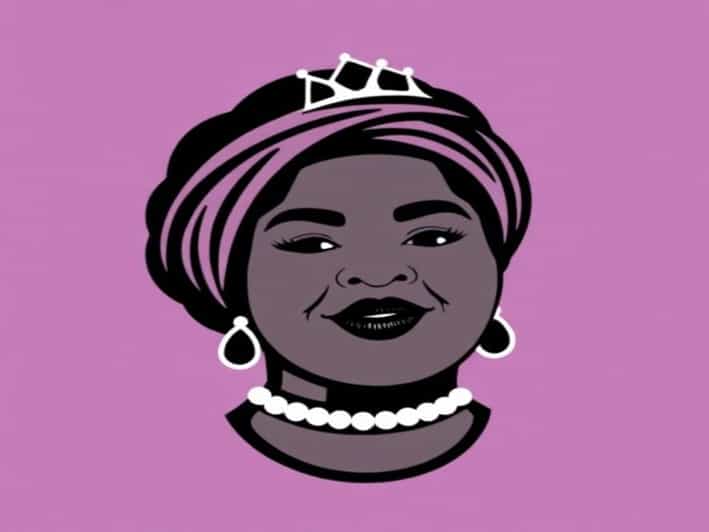
Queen Latifah and Hattie McDaniel are two iconic figures in American entertainment history, each leaving an indelible mark on music, film, and culture. While separated by decades and differing social contexts, both women broke barriers in their respective eras, challenging stereotypes and opening doors for African American artists. Queen Latifah, a multifaceted performer known for her work in hip-hop, acting, and television, represents modern achievements in entertainment, while Hattie McDaniel, celebrated as the first African American to win an Academy Award, embodies the pioneering spirit of early Hollywood. Examining their lives and legacies together provides insight into the evolution of representation, artistry, and social progress in the United States.
Hattie McDaniel A Trailblazer in Early Hollywood
Hattie McDaniel was born on June 10, 1895, in Wichita, Kansas. Rising from modest beginnings, she developed a career in music, radio, and stage performance before breaking into Hollywood films. McDaniel’s most famous role came in 1939, when she portrayed Mammy in the classic filmGone with the Wind. Her performance earned her the Academy Award for Best Supporting Actress, making her the first African American to receive an Oscar. This achievement was not only groundbreaking in cinematic history but also symbolized a step forward for representation of Black artists in mainstream media.
Challenges and Achievements
Despite her talent, McDaniel faced systemic racism and significant barriers in Hollywood. She was often typecast in servant roles, a reflection of limited opportunities for African American actors during the early 20th century. Nevertheless, her professionalism, charisma, and dedication allowed her to succeed within a constrained system. Beyond the Academy Award, McDaniel also had a successful career in radio and stage, using her platform to advocate subtly for better opportunities for African Americans in entertainment.
Legacy of Hattie McDaniel
Hattie McDaniel’s legacy extends beyond her Oscar win. She paved the way for future generations of African American actors by demonstrating resilience, skill, and dignity in the face of adversity. Her recognition at a time when racial discrimination was rampant marked a milestone in cultural history, inspiring countless artists to pursue their ambitions despite societal barriers. McDaniel remains a symbol of courage and excellence, remembered as a pioneer who redefined what was possible for African Americans in the arts.
Queen Latifah A Modern Icon of Empowerment
Queen Latifah, born Dana Elaine Owens on March 18, 1970, in Newark, New Jersey, emerged as a transformative figure in music and entertainment during the late 20th century. Rising to fame as a rapper, she became one of the first female hip-hop artists to achieve mainstream success. Her debut album,All Hail the Queen, highlighted themes of empowerment, social justice, and pride, establishing her as a voice for women and the African American community in hip-hop.
Transition to Acting and Media
Queen Latifah’s career expanded beyond music into acting, film production, and television. She received critical acclaim for roles in movies such asChicago,Life Support, andSet It Off, earning awards and nominations for her performances. In television, she hosted shows, produced content, and starred in series that highlighted social issues and personal empowerment. Her versatility and dedication to her craft solidified her position as a modern cultural icon, influencing multiple generations of artists and audiences.
Empowerment and Cultural Impact
Queen Latifah’s impact extends beyond entertainment. She has been a prominent advocate for women, African Americans, and LGBTQ+ communities, using her platform to challenge stereotypes and promote inclusivity. Her persona embodies strength, resilience, and authenticity, resonating with fans worldwide. By navigating multiple facets of the entertainment industry successfully, she has demonstrated that African American women can thrive in roles traditionally limited by societal expectations.
Comparing the Legacies of Hattie McDaniel and Queen Latifah
While Hattie McDaniel and Queen Latifah belong to different eras, their careers share common threads. Both women broke barriers in industries that were historically dominated by white men. McDaniel achieved historic milestones in Hollywood during a period of extreme racial segregation, while Queen Latifah pushed boundaries in hip-hop, music, and mainstream media during the late 20th and early 21st centuries. Both have used their visibility to challenge societal norms and inspire younger generations.
Barriers and Breakthroughs
- Hattie McDaniel navigated early Hollywood’s limited and racially stereotyped roles, achieving recognition despite systemic obstacles.
- Queen Latifah overcame gender biases in hip-hop and entertainment, establishing herself as a multifaceted artist and media influencer.
- Both women became role models for African American artists, demonstrating that excellence and perseverance can challenge social and professional limitations.
Cultural Influence
The cultural influence of both McDaniel and Latifah is profound. McDaniel’s achievements paved the way for more diverse representation in film and television, inspiring actors like Sidney Poitier and Halle Berry. Queen Latifah’s advocacy and artistic versatility influenced not only music and acting but also societal perceptions of women and African Americans in leadership and creative roles. Together, their contributions reflect an evolving landscape in which representation, recognition, and empowerment continue to grow.
Recognition and Awards
Hattie McDaniel’s Academy Award remains a landmark achievement in cinematic history. She also received recognition posthumously, including a star on the Hollywood Walk of Fame, celebrating her pioneering contributions to film. Queen Latifah has earned numerous awards, including Grammy nominations, Golden Globe nominations, and Emmy nominations, reflecting her success across multiple domains of entertainment. Both women’s accolades symbolize the broader recognition of African American talent and perseverance in creative industries.
Influence on Modern Generations
The legacies of Hattie McDaniel and Queen Latifah extend into education, mentorship, and popular culture. McDaniel is studied in film history and African American studies programs, highlighting her historical significance. Queen Latifah continues to influence young artists through her music, acting, and philanthropic work. Together, they exemplify how African American women have shaped and continue to shape cultural landscapes, inspiring ongoing dialogue about representation, equality, and artistic expression.
Hattie McDaniel and Queen Latifah are emblematic of African American achievement, resilience, and creativity. McDaniel’s pioneering work in early Hollywood laid the foundation for future generations, challenging stereotypes and demonstrating that excellence could prevail even in restrictive circumstances. Queen Latifah’s multifaceted career represents the modern expansion of opportunities for African American women in music, film, and media, highlighting empowerment, advocacy, and versatility. Together, they reflect the progression of representation and achievement in American culture, bridging the gap between early trailblazers and contemporary icons. Their stories continue to inspire, demonstrating the enduring impact of talent, perseverance, and courage in the face of societal barriers.