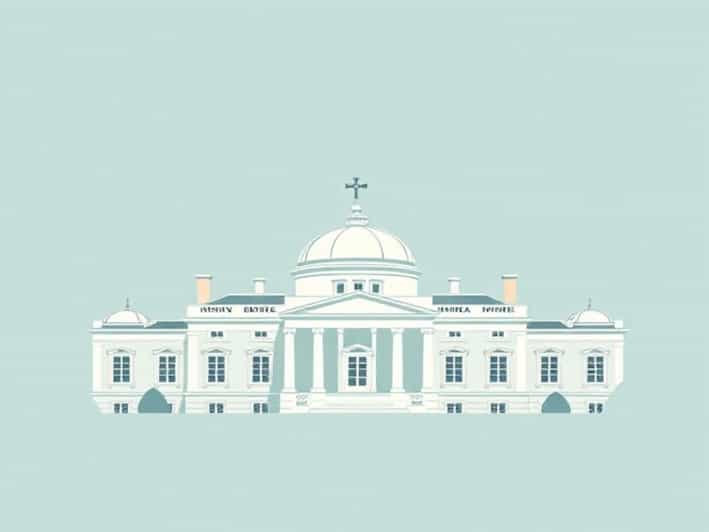
Nestled in the lush hills of Nu’uanu Valley on the island of Oahu, the Queen Emma Summer Palace stands as a beautiful reminder of Hawaii’s royal heritage. Surrounded by towering trees and tropical gardens, this historic home served as a peaceful retreat for Queen Emma of Hawaii, her husband King Kamehameha IV, and their young son Prince Albert Edward. Today, the Queen Emma Summer Palace remains one of the most treasured cultural landmarks in Honolulu, offering visitors a rare glimpse into 19th-century Hawaiian royalty and the lifestyle of the Hawaiian monarchy during a period of great transition and influence.
The Historical Background of Queen Emma
Queen Emma Kaleleonālani Naʻea Rooke was one of Hawaii’s most beloved royal figures. Born in 1836, she was of both Hawaiian and British descent and was adopted in accordance with the traditional Hawaiian custom of hānai by her maternal aunt and uncle, Dr. Thomas Rooke and his wife Grace Kamaʻikuʻi. Queen Emma was well-educated, fluent in both Hawaiian and English, and known for her intelligence and compassion. Her marriage to King Kamehameha IV in 1856 united two noble families and brought a new sense of cultural and political stability to the Hawaiian Kingdom.
Together, Queen Emma and King Kamehameha IV dedicated themselves to improving the welfare of their people. They established The Queen’s Hospital (now The Queen’s Medical Center) in Honolulu to provide medical care to native Hawaiians, who were facing devastating health crises due to the arrival of foreign diseases. Their reign was characterized by compassion, diplomacy, and a strong sense of cultural preservation. The Queen Emma Summer Palace played a vital role in their personal lives, serving as their private refuge away from the busy affairs of the royal court.
The Setting of Queen Emma Summer Palace
Located just a short drive from downtown Honolulu, the Queen Emma Summer Palace, also known in Hawaiian as Hānaiakamālama, sits amid cool mountain air and dense vegetation. The estate offers a tranquil environment that contrasts with the heat and bustle of the city below. The name Hānaiakamālama translates roughly to The foster child of the light, reflecting Queen Emma’s poetic spirit and connection to her surroundings.
The site was originally owned by Queen Emma’s uncle, Dr. Thomas Rooke, who built the home in the 1840s as a private residence. After his passing, the estate was inherited by Queen Emma, who made it her summer retreat. Here, she could escape from Honolulu’s coastal heat and spend time in reflection, prayer, and family life. The home became an intimate sanctuary where she could grieve after the tragic losses of her husband and son, both of whom passed away within a few years of each other.
Architecture and Design
The architecture of the Queen Emma Summer Palace blends Hawaiian and Western styles, a reflection of the cultural fusion that characterized the Hawaiian Kingdom during her reign. The wooden frame house features broad verandas, tall windows, and high ceilings designed to allow airflow and light a necessity in Hawaii’s tropical climate. Yet, it also includes design influences from Victorian England, such as ornate furnishings, decorative moldings, and imported fabrics.
- Victorian InfluenceThe interior decor reflects Queen Emma’s British upbringing, with English furniture, fine china, and framed portraits adorning the walls.
- Hawaiian HeritageTraditional Hawaiian quilts, feather lei, and handcrafted wooden artifacts connect the palace to its native roots.
- Peaceful SurroundingsThe house is surrounded by tropical plants, including ancient trees, fragrant flowers, and native ferns, creating a serene atmosphere perfect for meditation and family gatherings.
The Role of the Palace in Hawaiian History
Beyond its architectural charm, the Queen Emma Summer Palace holds deep historical and emotional significance. It symbolizes both the elegance of the Hawaiian monarchy and the resilience of its people. During her lifetime, Queen Emma used this retreat as a space to reflect on her personal losses and to continue her charitable work for the Hawaiian community. After the passing of King Kamehameha IV in 1863 and their son Prince Albert in 1862, Queen Emma became a respected figure of faith and philanthropy, often called the Queen of the People.
Her palace was not merely a royal residence but also a spiritual center. Queen Emma was a devout member of the Anglican Church, and she played a key role in founding St. Andrew’s Cathedral in Honolulu. She often entertained visiting clergy, foreign diplomats, and Hawaiian nobles in the Summer Palace, discussing ways to preserve Hawaiian culture amid growing foreign influence. The home became a quiet but powerful hub of Hawaiian identity during a time of great change.
Preservation of Queen Emma Summer Palace
By the early 20th century, the palace had fallen into disrepair and was at risk of being demolished. However, in 1913, the Daughters of Hawai’i an organization dedicated to preserving Hawaiian history and royal legacies stepped in to save the property. Their efforts ensured that the palace would remain a living museum for future generations to appreciate. Through careful restoration and preservation, the Daughters of Hawai’i transformed Queen Emma’s former home into a heritage site that continues to educate and inspire visitors from around the world.
Exhibits and Collections
Today, the Queen Emma Summer Palace operates as a museum that preserves the royal family’s belongings and artifacts. Each room offers a glimpse into the private world of Hawaiian royalty, featuring items that belonged to Queen Emma, King Kamehameha IV, and Prince Albert.
- Royal portraits and photographs that depict the Hawaiian monarchy during the 19th century.
- Elegant Victorian-era furniture imported from Europe and America.
- Queen Emma’s personal belongings, including clothing, jewelry, and writing instruments.
- Religious artifacts reflecting her Anglican faith and devotion to community service.
- Historic documents and letters that reveal her vision for an independent, compassionate Hawaii.
Each artifact is carefully displayed to reflect the lifestyle and personality of the Queen. Visitors can walk through the same rooms where she read, prayed, and entertained guests. The museum staff, many of whom are historians and cultural practitioners, share stories that bring the palace’s history to life.
Visiting the Queen Emma Summer Palace
For those visiting Honolulu, the Queen Emma Summer Palace offers a peaceful alternative to the beaches and urban attractions. The property is open to the public, and guided tours provide historical context about Queen Emma’s life and the Hawaiian monarchy. The atmosphere is calm and respectful, inviting visitors to slow down and appreciate the beauty of old Hawaii. The surrounding gardens are perfect for a short walk, and the mountain air provides a refreshing escape from the city’s heat.
Why It Matters Today
The Queen Emma Summer Palace is more than a historic site it is a reminder of the strength, grace, and vision of one of Hawaii’s most remarkable queens. Queen Emma’s legacy of compassion, education, and healthcare continues to shape Hawaii today. The palace serves as a symbol of cultural pride and a connection to the islands’ royal past.
- It represents the resilience of Hawaiian culture during times of colonization and political change.
- It honors Queen Emma’s contributions to healthcare and education.
- It connects modern Hawaiians to their royal heritage and spiritual traditions.
- It reminds visitors of the harmony between Western and Hawaiian influences in shaping the islands’ identity.
The Queen Emma Summer Palace stands as a living tribute to the history, spirit, and grace of Hawaii’s royal past. Its walls have witnessed moments of love, loss, and leadership each echoing the legacy of a queen who devoted her life to her people. Today, as visitors walk through the tranquil halls of Hānaiakamālama, they experience more than just a museum; they step into a story of unity between tradition and progress. Preserved with care and reverence, the Queen Emma Summer Palace continues to inspire admiration for the Hawaiian monarchy and appreciation for the cultural richness that defines the islands. In its serene setting and timeless beauty, it remains a precious piece of Hawaii’s heart.