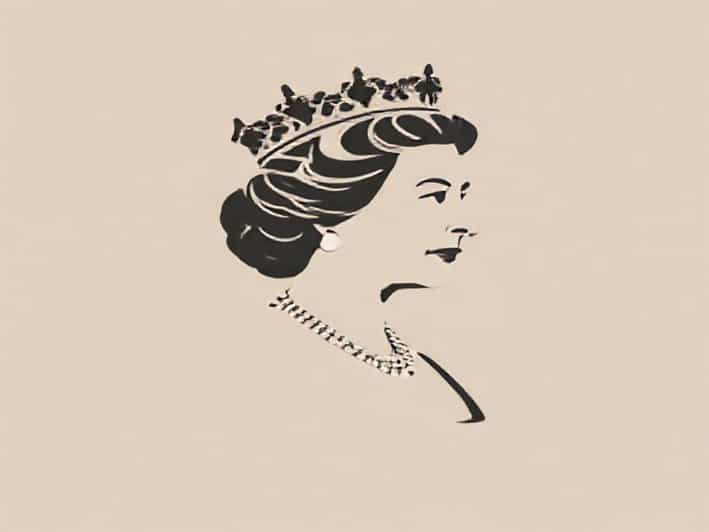
Queen Elizabeth II was one of the most influential and respected figures in modern history. Her reign, spanning over seventy years, made her the longest-serving monarch in British history and one of the most admired leaders in the world. Known for her sense of duty, calm demeanor, and unwavering commitment to her people, Queen Elizabeth guided the United Kingdom and the Commonwealth through decades of social, political, and technological change. Her life reflected the evolution of the monarchy from a traditional institution to a symbol of stability in a rapidly changing world.
Early Life and Family Background
Queen Elizabeth II was born on April 21, 1926, in London, England, as Elizabeth Alexandra Mary Windsor. She was the first child of the Duke and Duchess of York, who later became King George VI and Queen Elizabeth (the Queen Mother). Her birth was not originally expected to lead to the throne, as her father was not heir apparent at the time. However, fate changed when her uncle, King Edward VIII, abdicated the throne in 1936 to marry Wallis Simpson, an American divorcee. This unprecedented event made Elizabeth’s father the king and placed her next in line to the throne.
Elizabeth received a private education at home, where she studied constitutional history, law, language, and religion. Even from a young age, she showed discipline and a strong sense of responsibility. Her close bond with her sister, Princess Margaret, brought warmth to royal life, and together they represented a new generation of royalty more accessible, modern, and relatable.
The Wartime Princess
During World War II, Princess Elizabeth played a symbolic yet important role in boosting morale across Britain. At the age of 14, she made her first radio broadcast on the BBC’s Children’s Hour, addressing children who had been evacuated during the war. Her reassuring words brought comfort to a nation under attack.
As she grew older, Elizabeth insisted on contributing more directly to the war effort. In 1945, she joined the Auxiliary Territorial Service, where she trained as a driver and mechanic becoming the first female member of the royal family to serve in the armed forces. This experience not only showed her dedication to her country but also earned her widespread respect from ordinary citizens.
Marriage and Family Life
After the war, Elizabeth married Prince Philip of Greece and Denmark on November 20, 1947. Their marriage was both a personal partnership and a public symbol of post-war renewal. Prince Philip renounced his foreign titles and became the Duke of Edinburgh, fully supporting his wife throughout her reign. The couple had four children Charles, Anne, Andrew, and Edward.
The Queen’s marriage lasted over seventy years until Prince Philip’s passing in 2021. Their relationship was characterized by mutual respect and deep affection, even amid the pressures of royal life. Together, they modernized the image of the monarchy, emphasizing family values and a more hands-on approach to royal duties.
Accession to the Throne
Elizabeth became Queen on February 6, 1952, following the death of her father, King George VI. At just 25 years old, she assumed enormous responsibility during a period of global change. Her coronation took place on June 2, 1953, in Westminster Abbey and was the first ever to be televised, marking a new era in royal communication. Millions of people around the world watched as the young Queen pledged her life to the service of her people a promise she fulfilled with remarkable dedication.
The Early Years of Her Reign
During the early years of her reign, Queen Elizabeth faced major transformations within the British Empire. Many countries were gaining independence, leading to the formation of the modern Commonwealth. Rather than resisting change, she embraced it, helping to redefine Britain’s global relationships. Her role as Head of the Commonwealth became one of unity, diplomacy, and continuity among diverse nations.
Domestically, she guided the monarchy through social revolutions of the 1950s and 1960s, adapting to new cultural values while maintaining traditional dignity. Her calm presence during political shifts from the Suez Crisis to economic challenges provided a sense of reassurance to the British public.
Queen Elizabeth’s Leadership and Legacy
Queen Elizabeth’s leadership style was unique. Unlike elected leaders, she ruled without political power but with immense influence through example. Her approach combined quiet strength, humility, and a deep understanding of her constitutional role. She never expressed political opinions publicly, instead embodying stability and continuity through changing times.
Her reign saw the tenure of fifteen British prime ministers, from Winston Churchill to Liz Truss. Despite generational and ideological differences, she maintained a neutral and professional relationship with each, earning their respect. Her weekly private meetings with prime ministers became a cornerstone of British political tradition a confidential exchange of experience and insight between monarch and government.
A Symbol of Stability and Unity
Throughout her life, Queen Elizabeth II remained a symbol of unity not only for the United Kingdom but for the entire Commonwealth. Whether during times of crisis, such as the Falklands War, the death of Princess Diana, or the COVID-19 pandemic, her messages to the nation provided calm and encouragement. Her address during the pandemic in 2020, reminding people that we will meet again, echoed wartime resilience and comforted millions.
Her ability to maintain dignity and compassion made her a trusted and beloved figure worldwide. She represented continuity amid uncertainty and exemplified how monarchy could coexist with modern democracy.
The Modernization of the Monarchy
Queen Elizabeth’s reign spanned an era of rapid modernization from post-war austerity to the digital age. Under her guidance, the monarchy evolved to remain relevant to a contemporary audience. She opened royal palaces to the public, participated in televised Christmas broadcasts, and embraced technology by using email and social media in later years.
She also supported initiatives that connected the royal family more closely with the public. From visiting hospitals and schools to attending local events, her presence bridged the gap between the monarchy and everyday citizens. Her ability to balance tradition with adaptation ensured the monarchy’s survival in the 21st century.
Challenges and Resilience
Despite her popularity, Queen Elizabeth’s reign was not without challenges. The royal family faced scrutiny and controversy, especially during the 1990s. The separation and divorces of her children, the tragic death of Princess Diana, and growing media intrusion tested the monarchy’s image. However, the Queen responded with quiet resilience, adapting to changing public expectations.
Her willingness to modernize, such as agreeing to televised royal ceremonies and becoming more transparent about royal finances, reflected her understanding of the times. Through grace and humility, she restored the public’s faith in the royal institution, proving her enduring strength.
Queen Elizabeth’s Global Influence
As Head of the Commonwealth, Queen Elizabeth visited more than 100 countries during her reign, becoming one of the most traveled heads of state in history. Her diplomacy and warmth strengthened Britain’s ties with other nations, particularly those with colonial pasts. Her presence at international events often carried great symbolic weight, emphasizing peace, cooperation, and continuity.
Beyond politics, she became a cultural icon. Her image appeared on currencies, stamps, and artworks across the globe, making her one of the most recognizable figures in the world. Yet, despite her fame, she remained remarkably private and grounded qualities that contributed to her widespread admiration.
Personal Interests and Character
Outside her royal duties, Queen Elizabeth was known for her love of animals, especially her corgis and horses. She was a skilled equestrian and attended horse races throughout her life. Her passion for rural life and the countryside reflected her appreciation for simple pleasures amid royal responsibilities.
Those who met her often described her as witty, intelligent, and warm. Despite her formal image, she had a sharp sense of humor and enjoyed connecting with people from all walks of life. Her humanity, combined with her deep sense of duty, made her not only a monarch but a role model.
The Final Years and Enduring Legacy
In her final years, Queen Elizabeth continued to fulfill her duties with remarkable energy despite health challenges. She celebrated her Platinum Jubilee in 2022, marking 70 years on the throne an unprecedented milestone in British history. The celebration reflected the affection and gratitude felt by millions toward their monarch.
Queen Elizabeth II passed away on September 8, 2022, at Balmoral Castle in Scotland. Her death marked the end of an era, but her legacy endures through her lifelong dedication to service, her sense of duty, and the stability she provided for her nation. She was succeeded by her son, King Charles III, who continues the royal legacy she upheld with such grace.
Queen Elizabeth II’s life was a testament to the power of duty, dignity, and devotion. Through war and peace, change and continuity, she remained a constant figure of strength and reassurance for her people. Her reign was not just the story of a monarch but of a woman who embodied the values of responsibility, compassion, and perseverance. As Queen Elizabeth the Second, she transcended politics and time, leaving behind a legacy that will inspire generations to come a symbol of grace, commitment, and enduring leadership in the modern world.