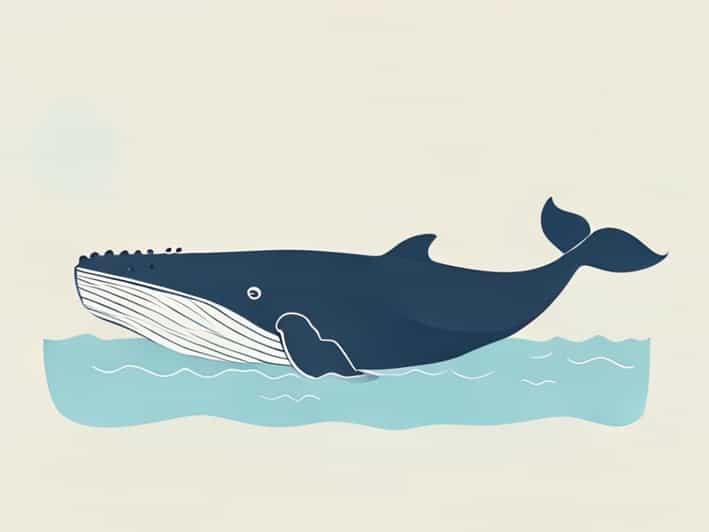
Quebec is renowned for its breathtaking landscapes, rich culture, and natural beauty, but one of its most thrilling experiences is whale watching. Each year, thousands of tourists and wildlife enthusiasts flock to Quebec’s coastline to witness majestic whales in their natural habitat. The province offers unique opportunities to observe these magnificent creatures up close, providing unforgettable encounters with humpback whales, belugas, minke whales, and even the rare blue whale. Understanding the Quebec whale watching season, including the best times to visit, locations, and species to expect, is essential for planning a successful wildlife adventure.
Overview of Whale Watching in Quebec
Whale watching in Quebec primarily takes place along the Gulf of St. Lawrence and the Saguenay St. Lawrence Marine Park. These areas provide rich feeding grounds for various whale species, attracting them seasonally. The region’s diverse marine ecosystem, including abundant fish and plankton, supports healthy whale populations. Quebec has become a prime destination for ecotourism, drawing nature lovers who wish to observe these animals while supporting conservation efforts. Whale watching tours are available for individuals of all ages, making it a family-friendly activity that combines education, adventure, and ecological awareness.
Main Whale Species in Quebec
Several whale species can be spotted during the whale watching season in Quebec. The most common include
- Beluga WhalesThese small, white whales are iconic to the St. Lawrence River and are easily recognizable due to their color and social behavior.
- Humpback WhalesKnown for their acrobatics, such as breaching and tail slapping, humpbacks are one of the most popular species for tourists.
- Minke WhalesThese smaller baleen whales are often seen in the Gulf of St. Lawrence and are known for their curious nature.
- Blue WhalesThe largest animals on Earth, blue whales are occasionally spotted during peak feeding periods, offering a rare and awe-inspiring sight.
- Fin WhalesAnother large species, fin whales can be seen in deeper waters and are often spotted alongside humpbacks and minkes.
Best Time for Whale Watching in Quebec
The Quebec whale watching season generally runs from late spring through early fall, with the prime months varying slightly depending on the whale species and location. Planning a trip during these months increases the likelihood of witnessing active and abundant whale populations.
Spring Season (May to June)
Spring is the beginning of the whale watching season. During May and June, humpback whales and minke whales start arriving in the Gulf of St. Lawrence to feed on abundant fish and plankton. Beluga whales begin migrating from the St. Lawrence River toward summer feeding grounds. This period is ideal for those who enjoy slightly cooler weather and smaller crowds, as tours are generally less busy than in peak summer months.
Summer Season (July to August)
Summer is considered the peak whale watching season in Quebec. Humpback whales, belugas, minke whales, and fin whales are abundant, making sightings almost guaranteed on well-organized tours. Warm weather and longer daylight hours provide comfortable conditions for both wildlife observation and scenic sightseeing. This period is particularly popular with families and tourists seeking a full marine wildlife experience.
Early Fall (September to October)
Early fall offers a quieter alternative to summer tours while still providing excellent whale watching opportunities. During September, whales are often active as they prepare for migration south. Beluga whales may start moving back down the St. Lawrence River, while humpbacks and fin whales continue feeding. The cooler weather and changing foliage along the coastline create a picturesque backdrop for whale encounters, making this an appealing season for photographers and nature enthusiasts.
Top Locations for Whale Watching in Quebec
Quebec offers several prime locations for whale watching, each providing unique experiences and opportunities to see different species. Some of the most popular destinations include
St. Lawrence River
The St. Lawrence River is one of the most famous whale watching areas in Quebec. Beluga whales are especially common here, making it a perfect spot for observing these iconic white whales. Cruises and guided tours allow visitors to explore the river while learning about local wildlife, marine conservation, and the ecology of the region.
Saguenay St. Lawrence Marine Park
This marine park is a UNESCO World Biosphere Reserve and a hotspot for whale watching. It provides a protected environment for whales, seals, and other marine life. Tour operators in this area offer guided excursions, often combining whale watching with educational commentary on marine ecosystems and conservation efforts.
Gaspé Peninsula
The Gaspé Peninsula, located along the Gulf of St. Lawrence, is another excellent location for whale watching. Visitors here may encounter humpback whales, fin whales, and sometimes blue whales. The area is also known for stunning coastal scenery, making it an ideal location for combining wildlife observation with sightseeing and photography.
Tips for a Successful Whale Watching Experience
To make the most of a whale watching trip in Quebec, there are several practical tips to consider. These strategies help ensure safety, comfort, and a memorable experience.
Choose the Right Tour Operator
Selecting a reputable tour operator is crucial. Experienced guides provide safety instructions, knowledge about whale behavior, and opportunities to learn about marine ecosystems. Look for companies with positive reviews, proper safety certifications, and a commitment to sustainable tourism practices.
Dress Appropriately
Weather on the water can be unpredictable, so dressing in layers is recommended. Even during summer, winds can be strong and temperatures cooler than on land. Waterproof jackets, hats, sunglasses, and comfortable shoes help ensure comfort during the trip.
Bring Binoculars and Cameras
Binoculars enhance the viewing experience, allowing visitors to see whales at a distance. Cameras with zoom lenses are ideal for capturing high-quality photos without disturbing the animals. It is also important to respect wildlife and maintain a safe distance while observing.
Be Patient and Respect Wildlife
Whale sightings are never guaranteed, as these animals are wild and unpredictable. Patience is key, and following guidelines to minimize impact on their natural behavior ensures that the experience is enjoyable and responsible. Listening to guides and respecting conservation rules contribute to a safe and ethical wildlife adventure.
The Quebec whale watching season offers an unforgettable opportunity to witness the beauty and majesty of whales in their natural habitat. From the spring arrival of humpback and minke whales to the peak summer abundance and early fall migrations, each season provides unique experiences. Prime locations such as the St. Lawrence River, Saguenay St. Lawrence Marine Park, and the Gaspé Peninsula offer exceptional opportunities for observing belugas, humpbacks, fin whales, and occasionally blue whales. By choosing the right tour operator, dressing appropriately, and approaching wildlife observation with patience and respect, visitors can enjoy a safe and memorable experience. Whale watching in Quebec not only provides incredible encounters with these magnificent animals but also fosters awareness of marine conservation and the importance of preserving delicate ecosystems. Whether for photography, education, or pure adventure, the Quebec whale watching season remains a must-do activity for nature enthusiasts from around the world.