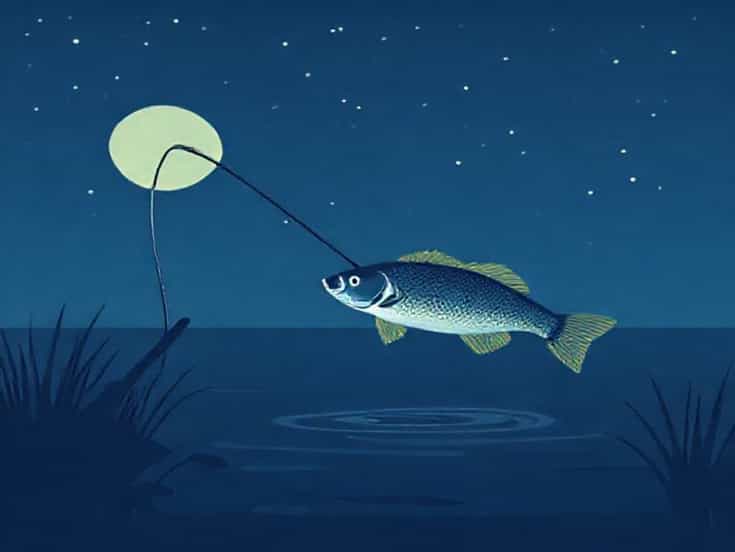
Night fishing for crappie offers a peaceful and rewarding experience that blends calm waters with the excitement of consistent bites after dark. Many anglers enjoy how crappie become more active at night, especially in warm-weather months when they move toward cooler, shaded areas. The slower pace of nighttime fishing encourages patience, precision, and an appreciation for subtle cues in the water. Whether fishing from a boat, dock, or shoreline, targeting crappie after sunset opens opportunities that daytime anglers often miss.
Why Crappie Bite Better at Night
Crappie are known for their feeding patterns, which change through the day and night. Once the sun sets, these fish leave deeper structures and move toward shallower zones, making them easier to target. Low-light conditions reduce their hesitation when feeding, increasing the likelihood of aggressive strikes. Because crappie rely heavily on their sense of sight, nighttime light sources can concentrate baitfish, drawing crappie directly into your fishing area.
Understanding Crappie’s Nighttime Behavior
Crappie often gather near underwater brush piles, docks, and submerged vegetation during the day. At night, they disperse slightly but continue to relate closely to cover. Light attracts insects, small fish, and plankton, creating a natural food chain. Crappie stay nearby, following the abundance of prey.
During nighttime hours, crappie also become less wary of movement. This can give anglers more flexibility in lure presentation, often resulting in quicker bites and steadier action.
Best Locations for Night Fishing for Crappie
Locating the right fishing spot is one of the keys to success when fishing for crappie at night. Their habitat preferences remain similar to daytime patterns but shift slightly depending on temperature, season, and available cover.
Fishing Near Lighted Docks
Docks with built-in lights can be some of the most productive locations. The steady glow attracts baitfish, which in turn attract schools of crappie. These spots often provide reliable action throughout the night, especially in summer and early fall.
Bridge Pilings and Concrete Structures
Bridges not only offer shade during the day but also house large numbers of baitfish and insects at night. Crappie often stack around the deeper pilings because the structure provides shelter and stability, making it an excellent place to focus your efforts.
Offshore Brush Piles and Drop-Offs
If fishing from a boat, use sonar to locate brush piles, standing timber, or contour drops. These areas provide natural hiding spots for crappie. Positioning lights over these structures helps create a feeding zone that encourages crappie to move upward in the water column.
Essential Gear for Night Crappie Fishing
While night fishing does not require drastically different gear compared to daytime trips, certain tools make the experience more successful and enjoyable.
Lighting Equipment
Using the right lighting system dramatically increases your chances of attracting crappie. Popular choices include
- Submersible green fishing lights that draw plankton and baitfish
- Floating LED lights for illuminating large areas
- Headlamps for hands-free visibility
- Dock or bank lanterns for steady ambient light
Green lights are especially effective because they penetrate water deeper and attract greater concentrations of microscopic organisms.
Rods, Reels, and Line
A lightweight setup is ideal for crappie because it helps detect finesse bites. Many anglers prefer ultralight rods paired with spinning reels. Six-pound test line is usually enough, although some anglers go lighter to improve sensitivity. Braided line with a fluorocarbon leader can also enhance bite detection under low-light conditions.
Baits and Lures for Night Fishing
Crappie are opportunistic feeders, and both live bait and artificial lures can produce results at night. Effective options include
- Live minnows fished under a float
- Soft plastic tubes in white, chartreuse, or glow colors
- Small jigs paired with curly tails
- Glow-in-the-dark jig heads
- Marabou jigs with subtle movement
Because crappie rely heavily on silhouette and vibration at night, slow, steady retrieves often work better than fast presentations.
Techniques for Catching Crappie After Dark
Night fishing for crappie involves adjusting your approach to the conditions. The techniques are simple, but attention to detail can make a major difference in your success.
Vertical Jigging
This method is effective when crappie gather around brush piles or drop-offs. Lower your jig slowly, keeping the line tight. Move the jig subtly, as crappie prefer gentle motion at night. Watch the line closely for soft ticks, which signal a bite.
Fishing with Live Minnows
Live minnows remain one of the most consistent baits for nighttime crappie fishing. Hook the minnow through the lips or back and let it swim naturally. Keep it suspended at the depth where sonar shows fish activity. Often, crappie will hold 5 12 feet below your light source.
Casting Around Lighted Areas
If fish are schooling near the surface, casting small jigs or lures into the edge of your light circle can be extremely effective. Crappie frequently patrol the boundary between darkness and light, waiting to ambush prey.
Safety Tips for Night Fishing
Fishing after dark comes with additional risks, so proper preparation is important for an enjoyable experience.
- Always bring extra batteries for lights and headlamps
- Wear a life vest when fishing from a boat
- Keep your tackle organized to avoid fumbling in the dark
- Bring insect repellent, especially near marshy waters
- Check weather conditions before heading out
These simple steps make night fishing safer and more comfortable, allowing you to focus on catching fish instead of handling avoidable issues.
Seasonal Considerations
Night fishing for crappie can be productive year-round, but seasonal shifts influence fish behavior.
Summer Nights
Summer is one of the most productive seasons. Warm temperatures push crappie to deeper water during the day, but they move shallower after dark. Light sources become extremely effective during these months.
Spring and Fall
During the spring spawn, night fishing can yield excellent results because crappie stay near nesting areas. In fall, they feed aggressively to prepare for winter, making nighttime activity strong.
Winter Fishing
Although winter night fishing is possible, crappie tend to stay deeper and feed less aggressively. Light and slow techniques are essential.
Night fishing for crappie combines calm nighttime conditions with the thrill of steady action. By understanding nighttime behavior, choosing the right locations, and using effective gear and techniques, anglers can greatly improve their chances of success. Whether you’re exploring lighted docks, drifting over brush piles, or casting under the moonlight, targeting crappie at night provides countless opportunities for memorable fishing adventures. With patience, preparation, and the right strategy, nighttime crappie fishing can become one of the most productive and enjoyable methods in your fishing routine.