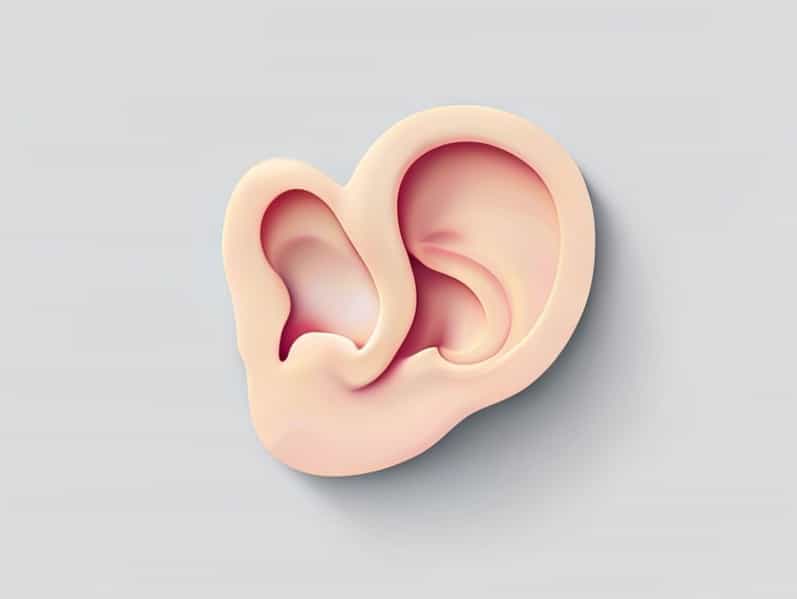
Many people experience a sensation known as fullness of the ear at some point in their lives. It can feel like there is pressure or blockage inside the ear, as though water or air is trapped within. This discomfort can range from mild to severe and may be accompanied by hearing loss, popping sounds, or ringing. Understanding what causes this feeling and how to relieve it can help prevent more serious ear problems in the future. The sensation of ear fullness is common but not always harmless, making awareness and proper care essential for maintaining healthy hearing.
What Is Ear Fullness?
Ear fullness refers to a sensation of pressure or tightness within the ear canal or middle ear. It is often described as if the ear is plugged or filled with fluid. Some people report muffled hearing, similar to what happens when descending in an airplane or swimming underwater. While this feeling can be temporary, it sometimes indicates an underlying medical issue that needs attention.
Fullness of the ear can affect one or both ears and may develop suddenly or gradually. The sensation often fluctuates, getting worse when swallowing, yawning, or during altitude changes. In most cases, it is related to the Eustachian tube, a small passage that connects the middle ear to the back of the throat and helps regulate ear pressure.
Common Causes of Fullness in the Ear
There are several reasons why someone might experience fullness of the ear. The causes range from minor temporary blockages to more serious conditions that affect hearing and balance.
1. Eustachian Tube Dysfunction
This is the most common cause of ear fullness. The Eustachian tube helps equalize air pressure between the inner and outer ear. When it becomes blocked due to allergies, sinus infections, or inflammation, pressure builds up, creating a clogged sensation. This condition is often worse during a cold, after air travel, or when exposed to sudden pressure changes.
2. Earwax Blockage
Excess earwax, or cerumen, can block the ear canal and create the feeling of fullness. When wax hardens or accumulates too much, it can press against the eardrum, leading to pressure, hearing difficulty, and even mild dizziness. Attempting to remove earwax with cotton swabs often worsens the problem by pushing it deeper inside.
3. Middle Ear Infection (Otitis Media)
An ear infection, particularly in the middle ear, can cause inflammation and fluid buildup behind the eardrum. This can result in pain, a sense of fullness, and temporary hearing loss. Children are more prone to ear infections, but adults can experience them as well, especially after colds or sinus infections.
4. Fluid in the Ear
Even without infection, trapped fluid in the middle ear can create pressure. This often happens after swimming or bathing, known as swimmer’s ear. If moisture remains inside the ear canal, it may cause irritation or bacterial growth, leading to discomfort and fullness.
5. Allergies and Sinus Problems
Allergic reactions and sinus congestion can lead to swelling in the nasal passages and Eustachian tube. This swelling restricts airflow and prevents proper pressure equalization, producing a feeling of fullness in one or both ears.
6. Air Pressure Changes
Altitude changes, such as those experienced during flying, diving, or mountain driving, can temporarily cause fullness. This condition, known as barotrauma, occurs when the ear fails to adjust to pressure changes quickly enough. Chewing gum or swallowing can often help relieve the discomfort.
7. Temporomandibular Joint (TMJ) Disorder
Problems with the jaw joint, located near the ear, can also produce a sensation of fullness. TMJ disorder causes inflammation and tension in muscles connected to the ear area, leading to pressure or discomfort without any actual blockage inside the ear canal.
8. Meniere’s Disease
This is a rare but chronic inner ear disorder characterized by episodes of vertigo, ringing in the ear (tinnitus), hearing loss, and fullness. Meniere’s disease is caused by fluid buildup in the inner ear and usually affects one ear. It requires medical diagnosis and long-term management.
Symptoms Associated with Ear Fullness
Besides the sensation of pressure, fullness of the ear may come with other symptoms depending on the underlying cause. Recognizing these signs helps determine whether medical evaluation is necessary.
- Muffled or reduced hearing ability
- Popping or crackling noises inside the ear
- Tinnitus or ringing sensation
- Pain or discomfort when swallowing
- Dizziness or imbalance
- Drainage of fluid from the ear
- Itching or irritation in the ear canal
If symptoms persist for several days, worsen, or are accompanied by severe pain or fever, it may indicate infection or another serious issue requiring professional treatment.
How to Relieve Ear Fullness
Treatment for fullness of the ear depends on its cause. In many cases, simple home remedies and preventive measures can provide quick relief. However, if the problem persists or is caused by infection or other medical conditions, professional care may be necessary.
1. Yawning and Swallowing
These simple actions help open the Eustachian tube, allowing trapped air to escape and restoring normal pressure. Chewing gum or sucking on candy can also encourage swallowing and provide similar relief.
2. Steam Inhalation
Inhaling warm steam helps reduce nasal congestion and open the Eustachian tubes. This is especially helpful when fullness is caused by colds or sinus congestion. A hot shower or bowl of steaming water can ease discomfort and restore airflow.
3. Warm Compress
Placing a warm towel or heating pad against the affected ear can relieve pain and improve circulation, helping the Eustachian tube drain more effectively. It can also soothe mild inflammation from infections.
4. Nasal Decongestants or Antihistamines
For fullness caused by allergies or sinus pressure, over-the-counter medications can reduce swelling and improve air passage between the ear and throat. However, these should be used only as directed, since overuse can cause rebound congestion.
5. Earwax Removal
If earwax buildup is responsible, professional cleaning is the safest solution. Ear drops containing hydrogen peroxide or saline can help soften wax, but inserting objects into the ear should be avoided to prevent damage.
6. Pressure-Equalizing Techniques
Performing the Valsalva maneuver (gently blowing with the nose pinched shut) can help balance ear pressure. However, this should be done carefully, as excessive force may injure the eardrum.
7. Medical Treatment
When infections or chronic conditions are involved, doctors may prescribe antibiotics, corticosteroids, or other treatments. In severe or recurring cases of fluid buildup, minor surgical procedures such as inserting ear tubes may be recommended to promote drainage.
When to Seek Medical Help
Although fullness of the ear is often temporary, certain symptoms should not be ignored. Seek medical attention if you experience
- Persistent ear fullness lasting more than a week
- Severe pain or fever
- Sudden hearing loss
- Fluid or pus discharge from the ear
- Vertigo or balance problems
These may indicate infection, inner ear disorders, or other serious medical conditions that require prompt evaluation and treatment by a healthcare professional.
Preventing Ear Fullness
While some causes of ear fullness cannot be completely avoided, certain preventive habits can reduce the likelihood of recurrence
- Keep ears dry after swimming or showering.
- Avoid inserting foreign objects or cotton swabs into the ear canal.
- Manage allergies and sinus problems with proper medication.
- Stay hydrated and maintain good nasal hygiene.
- Use earplugs when diving or swimming to prevent water entry.
- Equalize pressure slowly during air travel by swallowing or chewing gum.
Understanding the Importance of Ear Health
Fullness of the ear may seem like a minor inconvenience, but it serves as a reminder of how delicate the ear’s internal systems are. Proper ear care helps prevent infections, blockages, and long-term hearing issues. Maintaining ear hygiene, managing sinus and allergy symptoms, and avoiding aggressive cleaning methods all contribute to better ear health.
Because the ear is closely linked to balance and hearing, even small issues can affect daily comfort and performance. Paying attention to early signs of ear fullness ensures that underlying causes are treated before they develop into more serious problems.
The feeling of fullness in the ear is a common but often misunderstood condition. Whether caused by Eustachian tube dysfunction, earwax buildup, or sinus congestion, most cases can be managed with simple remedies and preventive care. However, persistent or severe symptoms should always be evaluated by a healthcare provider. Understanding what causes ear fullness and how to respond appropriately helps maintain healthy hearing, prevent discomfort, and ensure that your ears continue functioning properly in everyday life.