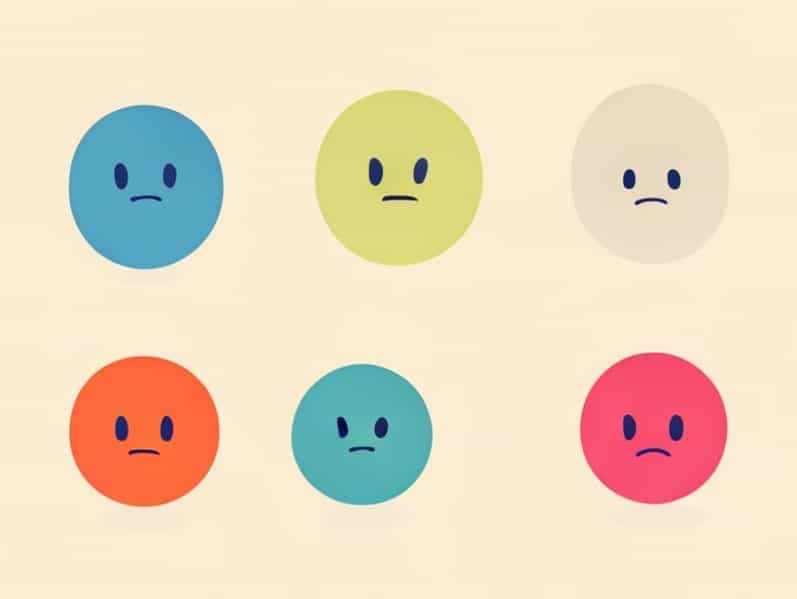
Shyness is a common human experience that affects people of all ages and backgrounds. It is often described as a feeling of discomfort, nervousness, or fear in social situations, especially when meeting new people or being the center of attention. While some degree of shyness can be normal, excessive shyness can influence how individuals interact, learn, and grow. Understanding the effects of shyness is important for promoting emotional well-being, social confidence, and healthy communication skills. This topic explores the five effects of shyness and how they shape a person’s life in various ways.
1. Impact on Social Relationships
One of the most noticeable effects of shyness is its influence on social relationships. Shy individuals often find it challenging to initiate or maintain conversations, which can make it difficult to form friendships or build strong connections. They may avoid group settings or social gatherings out of fear of being judged or rejected. Over time, this avoidance can lead to isolation and loneliness.
When shy people do engage socially, they may come across as reserved or uninterested, even though they genuinely wish to connect. This misunderstanding can prevent others from reaching out, reinforcing the shy person’s belief that socializing is uncomfortable or risky. Such experiences can weaken self-confidence and create a cycle of withdrawal that is hard to break.
Developing Better Social Connections
To overcome this effect, gradual exposure to social situations can help. Joining small, supportive groups or practicing conversation skills can build comfort over time. Positive experiences encourage shy individuals to engage more openly, slowly reducing the anxiety that fuels their shyness.
2. Influence on Academic and Career Opportunities
Shyness can also affect academic performance and career advancement. In classrooms or work environments, participation is often valued. Shy students may hesitate to ask questions, join discussions, or volunteer for projects, even when they know the answers or have valuable ideas. This reluctance can make them appear disengaged or lacking initiative, despite their potential.
Similarly, in professional settings, shy employees may struggle to network, advocate for themselves, or take leadership roles. They might avoid presentations, interviews, or group collaborations, which limits their visibility and growth. Over time, this can impact career progression and confidence in professional environments.
Encouraging Confidence in Academic and Work Settings
Mentorship, supportive teachers, and understanding supervisors can play key roles in helping shy individuals thrive. Encouraging participation in low-pressure activities and recognizing small achievements can boost confidence. With time and encouragement, shy people often excel when they feel safe and valued.
3. Emotional and Psychological Effects
Shyness can deeply affect emotional health. Constant self-consciousness and fear of negative evaluation can lead to anxiety, stress, or even depression. Shy individuals may spend a lot of time worrying about how they are perceived, replaying interactions in their minds, and criticizing themselves for perceived mistakes. This overthinking can increase self-doubt and emotional fatigue.
Additionally, chronic shyness can contribute to feelings of inadequacy. When people constantly compare themselves to more outgoing peers, they may feel inferior or socially unskilled. This internalized negativity can lower self-esteem and make it harder to take risks in personal or professional settings.
Building Emotional Resilience
Practices such as mindfulness, journaling, or therapy can help shy individuals manage negative thoughts. Learning to recognize and challenge self-critical beliefs is a key step toward improving mental well-being. By focusing on personal strengths and celebrating small successes, shy individuals can begin to develop healthier self-esteem.
4. Effect on Communication Skills
Communication is essential for building relationships and expressing oneself effectively. Shyness can interfere with this process by making individuals overly cautious or withdrawn during conversations. They may speak softly, avoid eye contact, or struggle to express their thoughts clearly. In some cases, this can make communication awkward or misunderstood.
Because of these difficulties, shy people might rely more on written communication or prefer solitary activities. While these methods can be useful, they may also limit opportunities for face-to-face interactions and verbal skill development. Over time, this can create a communication gap that affects both personal and professional relationships.
Improving Verbal and Nonverbal Communication
Building communication skills takes patience and practice. Participating in discussions, joining clubs, or taking speech classes can help shy individuals gain confidence in expressing themselves. Learning body language cues and maintaining eye contact are also effective strategies for improving overall communication.
5. Influence on Personal Growth and Life Satisfaction
The final major effect of shyness is its impact on personal growth and overall life satisfaction. When shyness limits experiences, individuals miss opportunities to explore their potential, build memories, and discover new interests. They might avoid travel, hobbies, or social events that could enrich their lives, choosing safety and comfort over exploration and challenge.
Over time, this can lead to regret or a sense of being left behind. Shy individuals may see others taking bold steps forming relationships, achieving success, or pursuing dreams and feel as though their own fears have held them back. This realization can further damage confidence and motivation.
Encouraging Personal Development
Personal growth begins with small, achievable goals. Setting realistic challenges, such as introducing oneself to a colleague or attending a small event, can build courage. Each success strengthens self-belief and reduces fear. Over time, shy individuals can learn that discomfort is part of growth and that confidence grows through consistent effort.
Understanding the Positive Side of Shyness
Although shyness has many challenges, it is not entirely negative. Shy individuals are often observant, empathetic, and thoughtful. They tend to listen more carefully and think before speaking, which can make them excellent friends, partners, and professionals in many fields. When managed effectively, shyness can coexist with confidence and authenticity.
Developing social comfort does not mean eliminating shyness completely. Instead, it involves learning how to navigate the world with greater self-assurance while embracing one’s natural temperament. Many shy people become strong communicators, creative thinkers, and compassionate leaders once they find ways to channel their sensitivity positively.
Shyness is a complex emotional experience that shapes how people think, feel, and interact. The five main effects of shyness on social relationships, academic and career growth, emotional health, communication skills, and personal development show how deeply it can influence daily life. However, with understanding, patience, and self-compassion, shy individuals can transform their challenges into strengths. By gradually facing fears, improving confidence, and celebrating progress, they can live fulfilling, connected, and confident lives while remaining true to their gentle nature.