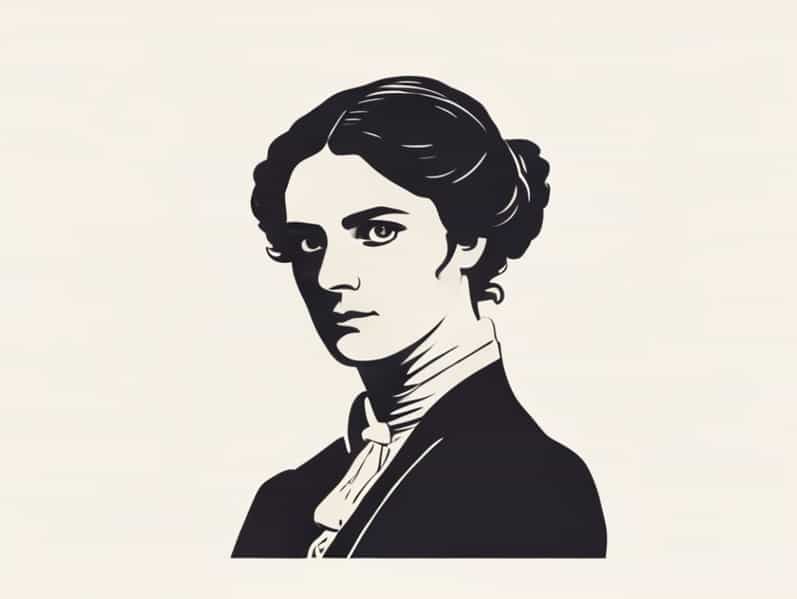
Jane Austen is widely celebrated as one of the greatest novelists in English literature, known for works like Pride and Prejudice, Sense and Sensibility, and Emma. Her novels often explore themes of love, marriage, and social status, making readers curious about her own personal life. One of the most frequently asked questions about Austen is whether she ever married, given her deep understanding of romance and relationships. Her life in the late 18th and early 19th centuries was shaped by social norms, family expectations, and her literary ambitions, all of which influenced her personal choices and ultimately her marital status. Understanding Jane Austen’s life provides insight into the woman behind the timeless stories.
Early Life and Family Background
Jane Austen was born on December 16, 1775, in Steventon, Hampshire, England. She was the seventh of eight children in a close-knit family. Her father, George Austen, was a clergyman, and her mother, Cassandra Leigh Austen, came from a family with strong connections in society. Growing up in a supportive and intellectually stimulating household, Jane developed an early love for reading and writing. Her family environment allowed her to cultivate her literary talents while also understanding the social intricacies of her era, particularly the limited options available to women regarding marriage and financial security.
Marriage in Jane Austen’s Time
During Jane Austen’s lifetime, marriage was often seen as a practical necessity for women. Social expectations dictated that women seek suitable husbands to ensure financial stability and social respectability. This context is evident in Austen’s novels, where marriage is frequently depicted as both a romantic and strategic endeavor. Despite her extensive exploration of marriage in her writing, Jane Austen herself faced personal constraints and societal pressures that shaped her choices. The question of whether she married is especially interesting considering her keen observations of romantic relationships in her fiction.
Jane Austen’s Romantic Life
Historical records indicate that Jane Austen experienced at least one significant romantic attachment. In 1802, she received a proposal of marriage from a man named Harris Bigg-Wither, a wealthy suitor. Initially, Austen accepted the proposal, which may have been motivated by the security it promised, but she ultimately retracted her acceptance the following day. This decision reflects her determination to prioritize personal compatibility and affection over societal or financial pressure, a stance that resonates with the themes of love and choice in her novels. Other than this proposal, there are indications that she may have had other romantic interests, but none of these relationships resulted in marriage.
Reasons Jane Austen Did Not Marry
Several factors likely contributed to Jane Austen remaining single throughout her life
- Financial IndependenceAusten did not have a fortune of her own, and marriage would have been the main means of financial security. However, she was able to live comfortably with her family, reducing the urgency to marry for money.
- Literary AmbitionsJane Austen devoted much of her energy to writing. Her novels, though not immediately famous during her lifetime, provided her with intellectual fulfillment and may have influenced her decision to remain unmarried.
- Personal ChoiceAusten’s rejection of Harris Bigg-Wither suggests she valued affection and compatibility over mere convenience. She may have chosen independence and self-determination rather than entering a marriage that did not meet her emotional standards.
- Family ObligationsAusten was close to her family, particularly her sister Cassandra. Her responsibilities and loyalty to family may have influenced her decision to stay single, as she provided support and companionship to her household.
The Impact of Remaining Unmarried
Jane Austen’s unmarried status had a profound effect on both her personal life and her literary career. Remaining single allowed her to observe social interactions without the direct obligations of a spouse or children, providing her with a unique perspective on courtship and marriage. This perspective is reflected in the nuanced portrayal of relationships in her novels. Austen’s independence enabled her to critique social norms and explore the emotional lives of women in ways that may have been constrained if she had married, giving her writing a depth and realism that continues to resonate with readers.
Social Perception of Single Women
In the early 19th century, unmarried women were often referred to as spinsters and faced certain social limitations. Despite these societal attitudes, Jane Austen maintained respect and a degree of autonomy through her literary work and family connections. Her status as an unmarried woman allowed her to live with her family and remain part of a supportive social network. This living arrangement offered her stability and a platform to continue her writing, demonstrating that marriage was not the only path to security or influence for women of her time.
Legacy of Jane Austen’s Personal Choices
Jane Austen died on July 18, 1817, at the age of 41, having never married. While some may view her unmarried status as unusual for her era, it is clear that Austen made deliberate choices that prioritized her values, intellectual pursuits, and personal happiness. Her decision not to marry allowed her to focus on her craft, ultimately leaving a literary legacy that has endured for more than two centuries. Austen’s life exemplifies the possibility of fulfillment outside conventional societal expectations, and her novels often reflect the same themes of personal choice and integrity.
Influence on Modern Readers
Today, readers are fascinated not only by Jane Austen’s literary genius but also by her life choices. The question Did Jane Austen marry? serves as a starting point for discussions about independence, gender roles, and the social pressures faced by women in the 19th century. Her ability to navigate her life with agency and purpose continues to inspire readers who value self-determination and authenticity. Austen’s personal experiences provide context for her works, helping readers understand the social commentary embedded in her novels.
Jane Austen did not marry, despite being a keen observer of romance and societal expectations. Her life demonstrates that personal choice and intellectual fulfillment can take precedence over societal pressures. The single proposal she received, along with her dedication to family and writing, highlights her independence and selective approach to relationships. Austen’s decision not to marry contributed to her ability to write novels with remarkable insight into human behavior, social structures, and the complexities of love and marriage. Her legacy reminds us that a meaningful and impactful life is not solely defined by marital status but by the choices one makes and the passions one pursues.